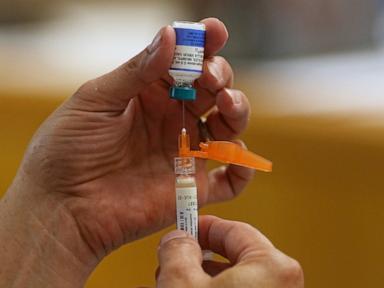
The United States officially lost its measles elimination status on Tuesday, according to the Pan American Health Organization (PAHO), a branch of the World Health Organization. The designation, first granted in 2000, indicates that the virus is no longer spreading continuously within the country. This status is revoked when a specific strain of the virus circulates domestically for 12 months or longer.
Dr. John Brownstein, an epidemiologist and medical contributor to ABC News, described the decision as a significant public health setback. He noted that reversing decades of progress in building vaccination coverage and health infrastructure serves as a reminder that such achievements are not permanent. The loss of status is expected to result in more frequent outbreaks, increased hospitalizations, and greater strain on public health departments.
Recent data highlights the severity of the situation. The Centers for Disease Control and Prevention reported 5,412 measles infections in the U.S. this year, a sharp contrast to the average of approximately 180 cases annually seen previously, which were mostly imported. State health departments have recorded 10 deaths, while 48 distinct outbreaks have been identified across the country in 2026. Significant sustained cases are currently affecting Pennsylvania, Wisconsin, Minnesota, and Indiana, leading New York State to declare a state of emergency.
Public health experts attribute the surge in cases to declining vaccination rates. CDC figures show that MMR vaccination coverage among kindergarteners dropped from 95% in the 2019-2020 school year to 92% in the 2025-2026 year, leaving nearly 300,000 children unprotected. Health officials maintain that a 95% rate is necessary for herd immunity. The Department of Health and Human Services stated that it will continue to work to stop transmission and close vaccination gaps, with officials recommending the MMR vaccine as the most effective prevention method. Meanwhile, various medical organizations have criticized recent administrative changes to vaccine recommendations, arguing that they jeopardize the immunization system.
Measles is highly contagious, with the CDC estimating that an infected individual can spread the virus to 90% of unvaccinated contacts. The virus can remain airborne or on surfaces for up to two hours after an infected person leaves the room. While the disease is often associated with a rash, it can lead to severe complications such as pneumonia or encephalitis, which causes brain swelling and can result in seizures or disability. Approximately one in five unvaccinated individuals who contract measles require hospitalization. The MMR vaccine, administered in two doses between ages 12 months and six years, is 97% effective at preventing infection.

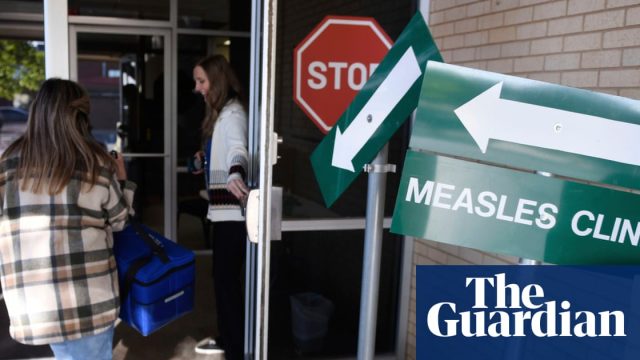

Can we really expect officials to fix this with just administrative tweaks to guidelines?
I am genuinely surprised by how quickly vaccination rates dropped among kindergarteners.
Losing that status feels like such a major regression for our public health system.