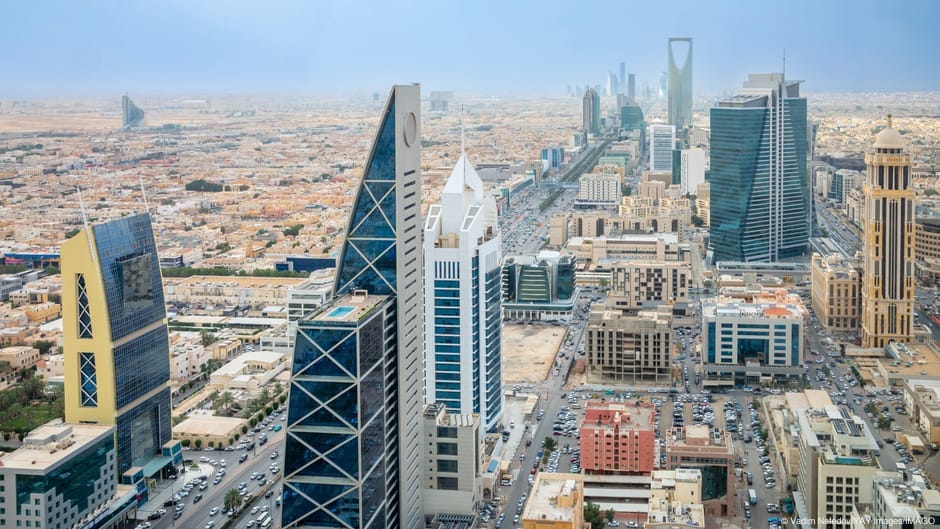
Human rights organizations have expressed alarm over the rising number of executions in Saudi Arabia, which has reached 211 for 2026 according to an AFP tally reported on Monday. The count includes 126 individuals convicted of drug trafficking and 17 sentenced on terrorism-related charges. While 100 of the deceased were Saudi nationals, the remainder were foreign citizens.
On Saturday, authorities carried out the executions of Jawad Abdullah Qureiris and Fadel Hassan al-Safwani in the Eastern Province. Both men had been convicted of terrorist offenses. Al-Safwani was a prominent organizer of the 2011 peaceful protests in Qatif that demanded civil rights and the release of detainees, while Qureiris participated in these demonstrations as a minor. The UN Working Group on Arbitrary Detention had previously called for Qureiris’ release in November 2024, deeming his detention arbitrary. He was the fourth of five individuals covered in that opinion to be executed; the fifth, Yousef al-Manasif, remains at risk following the Saudi Supreme Court’s upholding of his death sentence.
Specific cases have highlighted the impact on vulnerable groups, including the execution of five Ethiopian migrants for nonviolent drug-related offenses in July and two Bangladeshi nationals in October. Additionally, Human Rights Watch reported the execution of Hassan Zaki al-Faraj on October 17, for alleged offenses committed during his childhood.
Ahmed Benchemsi, spokesperson for Human Rights Watch’s Middle East and North Africa program, noted that executions continued at a high rate in 2026 following a record high of at least 356 executions in 2025. He confirmed that Saudi Arabia has executed more than 2,000 people in the last decade. According to the Death Penalty Information Center and Amnesty International, Saudi Arabia ranks third globally in execution rates, behind China and Iran.
The surge in capital punishments has occurred alongside an intensifying regional conflict with Iran and the Iran-aligned Houthi group in Yemen. Critics argue that the Saudi government is using the external threats as a backdrop to increase domestic repression. Sarah Lea Whitson, a human rights lawyer and former executive director of DAWN, observed that the government has resumed its relentless pace of executions and corporal punishment sentences during the war. She cited a recent incident where a Kenyan woman was sentenced to 100 lashes for giving birth outside of marriage, illustrating the strict enforcement of social and moral codes amidst the geopolitical turmoil.


It is sad that political instability abroad allows the government to justify even more brutal internal measures at home.
Rights groups have been warning about this for years. Does anyone actually listen to the international community?
The sentence for the Kenyan woman was shocking. One hundred lashes for giving birth? The social policing is out of control.
Ten thousand deaths in a decade. That is almost one per day for a long time. Unbelievable statistics.
The fact that foreign nationals are making up nearly half of these executions is a serious diplomatic crisis waiting to happen.
Is this number just for the first few months of the year or the whole year so far?
My cousin lost her brother in the Qatif protests years ago. It is still painful to see justice delayed and denied.
The connection to the Iran conflict feels cynical. Using external threats to tighten domestic control is a terrible strategy.
It is truly horrifying that they are executing people for crimes committed as children. This completely violates basic human rights.