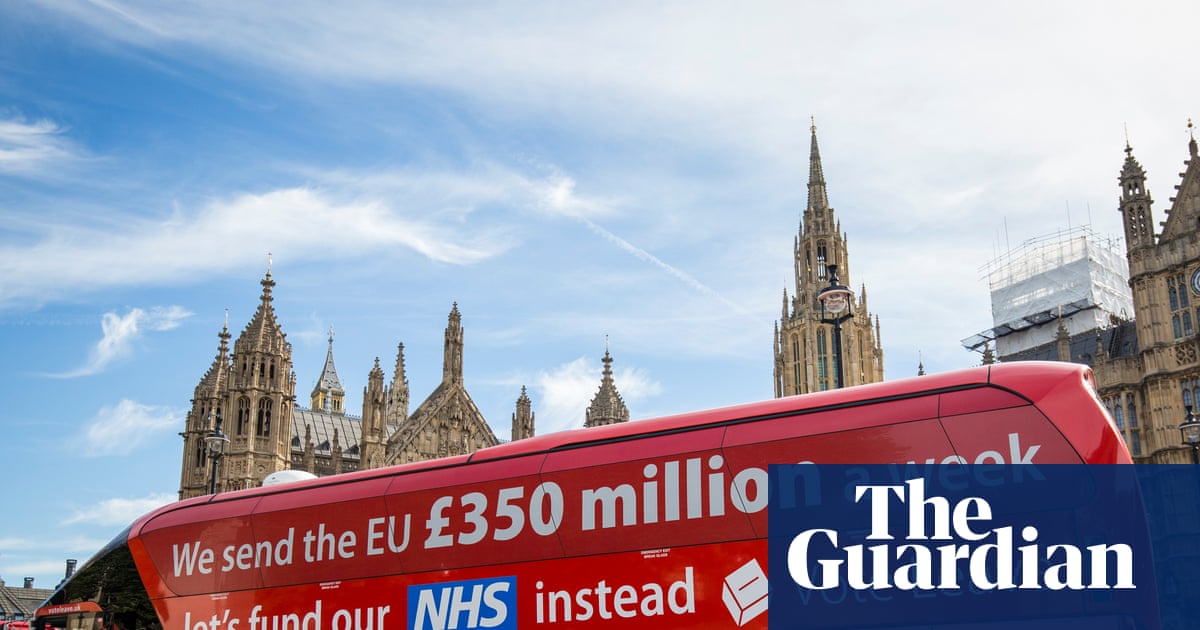
The claim that rejoining the European Union would cost the UK £750m a week is being challenged by analysts who argue the figure is likely overstated and resembles previous “Brexit bus” myths. While a definitive answer remains impossible to calculate, critics suggest the estimate relies on a mix of plausible and dubious premises regarding the EU’s financial structure.
One valid assumption underlying the calculation is that the UK would no longer receive the British rebate, a reduction in membership fees originally negotiated by Margaret Thatcher in 1984. Senior EU officials, including former Brexit negotiator Michel Barnier, have indicated that this rebate will not be restored. However, the complexity of the EU budget means that some net contributors, such as Germany and the Netherlands, continue to receive rebates.
Other components of the “Stay Out” campaign’s calculation are viewed as more doubtful. The figure assumes a specific EU long-term budget for 2028–34, but this framework is still under negotiation. The final budget is expected to be lower than the European Commission’s initial maximalist proposal of €2tn, with member states currently debating a €1.62tn compromise package devised by Ireland, the current holder of the EU rotating presidency.
Perhaps the most questionable assumption is that the UK would be required to repay the EU’s pandemic recovery loans, which are projected to cost €24bn annually from 2028. These loans were issued after the UK had already left the bloc. Brexit negotiations established a precedent that member states are liable for costs incurred during their membership, not during their absence. Analysts note that any British negotiating team would likely challenge the requirement to fund expenses incurred while the UK was no longer part of the EU.



I am just curious how much of this £750m is actually solid fact versus pure speculation and fear.
It is frustrating that we cannot get a definitive answer. Too many moving parts in the EU budget currently.
Not surprised experts are poking holes here. These campaign numbers often ignore the complexity of actual negotiations.
The pandemic loan argument seems weak since we were not members then. Legal precedent should protect us from that cost.
What happens if the final EU budget ends up much lower than the initial proposal? The calculation changes completely.
I find it funny how they invent these massive figures. It reminds me of the old bus myth from years ago.
Thatcher’s rebate point is valid. But jumping to a weekly cost without full context is misleading for the public.
Did anyone fact-check the budget assumptions? The EU is still debating their own numbers, so this estimate is wild.
Honestly, political numbers are always cooked up to scare you. Do not believe anything without independent verification.
I was skeptical about that figure. Losing the rebate is real, but the pandemic loan claim feels like a huge stretch.