Lusaka, Zambia – As the African nation positions itself as a key supplier of minerals essential for the global energy transition, it has attracted over $12 billion in mining investment since 2022. President Hakainde Hichilema stated that the government is pushing to significantly increase copper production to support this growth. Major foreign investors, including Canada’s First Quantum Minerals and Barrick Mining Corporation, India’s Vedanta Resources, and China’s CNMC, have expanded their operations in the country.
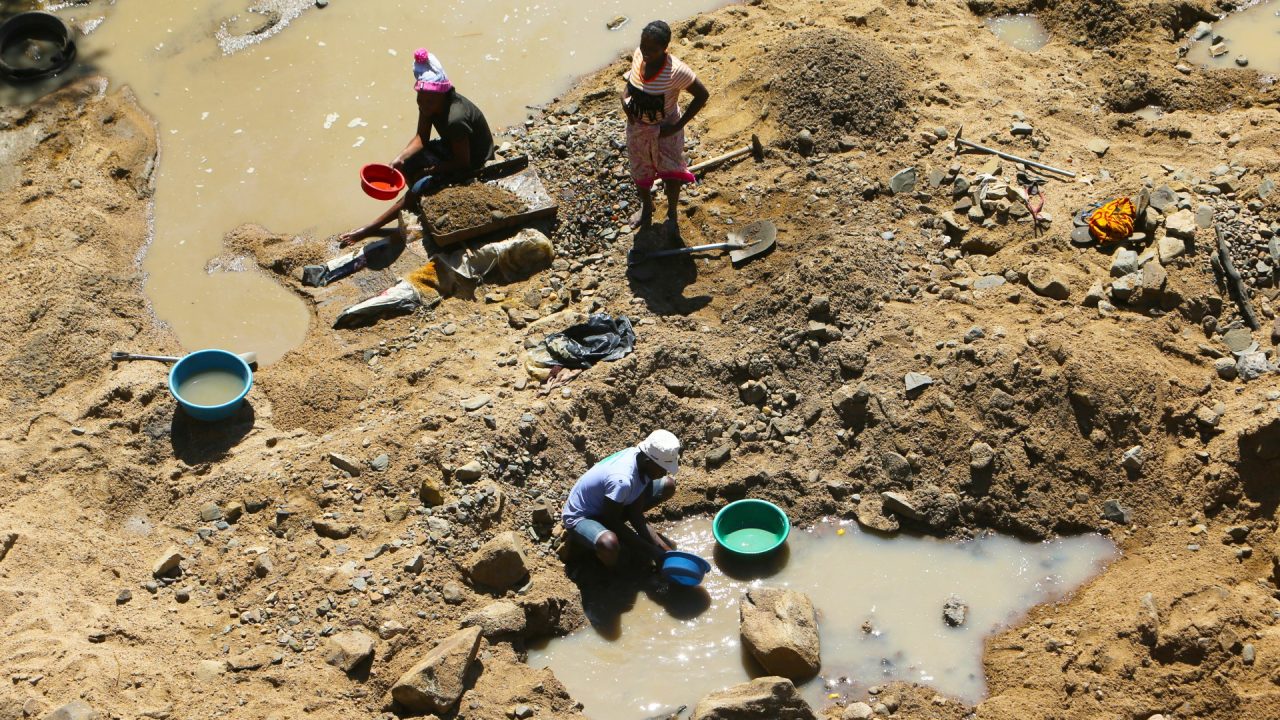
A significant addition to the sector is Abu Dhabi-based International Resources Holding (IRH), which committed $1.1 billion to recapitalize Mopani Copper Mines. This investment granted IRH a 51 percent stake in the mine, while the state-owned ZCCM Investments Holdings retained the remaining 49 percent. Alongside these large-scale projects, the Copperbelt province has seen a rise in smaller Chinese-owned mineral-processing plants, some of which source ore from artisanal miners. The expansion of these facilities has raised concerns among regulators and environmentalists regarding safety standards, oversight, and ecological protection.
To accelerate exploration, Zambia is conducting a nationwide high-resolution aerial geophysical survey, which the Ministry of Mines and Minerals Development reports is approximately 98 percent complete. The government has set an ambitious target to boost annual copper production from less than 1 million tonnes to 3 million tonnes by 2031. Hichilema emphasized that Zambia aims to replicate the economic success seen in the UAE with its oil and gas resources, leveraging its reserves of copper, cobalt, nickel, lithium, manganese, and rare earth metals. The strategy includes adding value to these minerals domestically to capture a greater share of the economic benefits from the global shift to low-carbon technologies.
In a bid to move beyond raw material exports, Zambia and the Democratic Republic of Congo are exploring a joint venture with South Africa to develop an electric vehicle (EV) battery manufacturing industry. This partnership would allow vehicles produced on South African assembly lines to incorporate Zambian and Congolese inputs for EV batteries, aiming to integrate African mineral producers more deeply into the global manufacturing chain.
However, the translation of increased capital into improved conditions for local workers remains a point of contention. Stephen Mwaanga, secretary of the National Union of Miners and Allied Workers, told Al Jazeera that despite rising copper prices and investment, employment conditions have not improved. He noted that mining companies are facing elevated production costs, including higher fuel prices linked to geopolitical tensions affecting the Strait of Hormuz, and electricity supply issues stemming from drought conditions associated with El Nino, which impact Zambia’s hydropower-dependent grid.
Environmental concerns have also intensified. In February 2025, a tailings dam operated by Chinese-owned Sino-Metals Leach Zambia suffered a structural failure, releasing acidic, metal-laden waste into the Chambishi Stream and subsequently into the Mwambashi and Kafue river systems. The Zambia Environmental Management Agency documented significant ecological damage from the incident. Human rights defender Eugene Mulenga warned that the drive for increased production is placing pressure on the environment, affecting the livelihoods of farmers and communities dependent on local water bodies. To mitigate this, the government has introduced local-content regulations requiring mining companies to allocate at least 20 percent of their annual procurement budgets to local suppliers in 2026, a figure set to rise to 25 percent after one year. As Zambia pursues its expansion plans, the challenge for the government is ensuring that the investment boom results in tangible benefits for ordinary citizens and sustainable economic growth without compromising environmental integrity.

Copper is crucial for the green transition, but we need better oversight to prevent another ecological disaster.
Hope the new local content rules actually stick. Too many times companies import everything instead of hiring locals.
Three million tonnes by 2031? That seems incredibly optimistic considering the current infrastructure and power challenges in the country.
If workers are still struggling with low wages, where exactly is all this investment going? Skeptical about the promises.
Finally, Zambia is trying to value-add instead of just exporting raw ore. The EV battery plan is smart.
The tailings dam failure was a nightmare. We cannot keep ignoring environmental risks just to hit production targets.