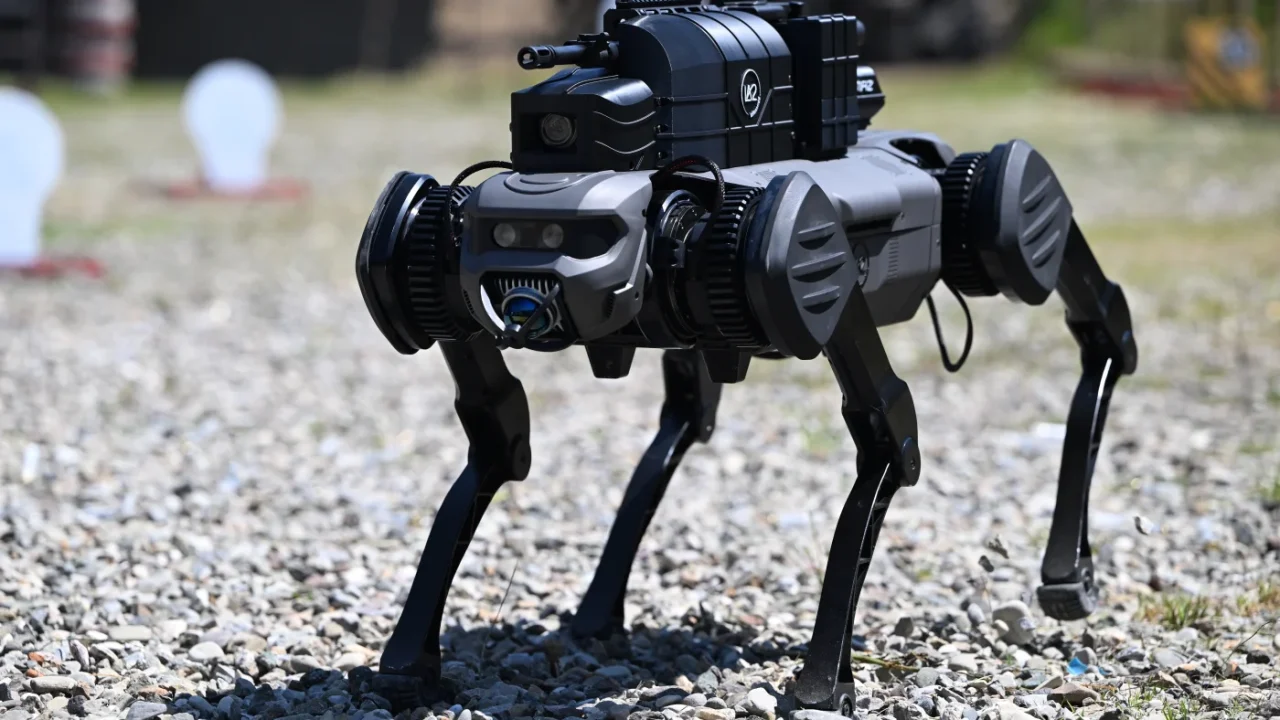
International negotiations are currently underway in Geneva, Switzerland, as United Nations member states attempt to establish regulatory frameworks for lethal autonomous weapons systems, commonly referred to as ‘killer robots.’ This week’s conference on Certain Conventional Weapons (CCW) is being described by advocates as the last remaining opportunity to agree on substantive rules before technological advancements outpace legal oversight.
Proponents of strict controls argue that the rapid evolution of warfare technology has created an urgent need for intervention. Experts have warned that the world is mere months away from deploying weapons capable of independently selecting and eliminating targets without human intervention. While AI-assisted weaponry has already been utilized in conflicts in Ukraine and Gaza, these systems currently remain under remote human control. Humanitarian organizations, however, emphasize that the decision to take a life, and the subsequent accountability for that action, must remain in human hands.
Major international bodies, including the United Nations, the International Committee of the Red Cross, and the Vatican, have called for the implementation of legally binding regulations. U.N. Secretary-General Antonio Guterres has described the potential use of fully autonomous weapons as crossing a ‘moral red line.’ The Red Cross has expressed specific concern that existing war laws, such as the Geneva Conventions, may be difficult for machines to uphold. Legal adviser Georgia Haines noted that autonomous systems struggle to interpret contextual signals, creating a high risk of misidentifying targets, such as distinguishing between active combatants and soldiers who are wounded or surrendering.
Additionally, human rights groups have raised alarms regarding the increasing affordability and accessibility of artificial intelligence technology. There are fears that widespread military adoption could lead to proliferation among terrorist groups or oppressive law enforcement agencies. Theoretical scenarios suggest that drone swarms could be programmed to target individuals based on arbitrary characteristics, such as clothing color or language spoken.
Despite these concerns, a significant diplomatic divide exists among the participating nations. At least 50 countries, including France, Germany, Ireland, Italy, Brazil, and Mexico, are pushing for a strict timeline to finalize binding rules. However, major military powers such as the United States, Russia, and Israel are resisting legally binding controls. The U.S. delegation has proposed a five-year timeline for drafting non-binding guidelines, leading campaigners to fear that the window for effective global regulation is rapidly closing.



Leave a Reply