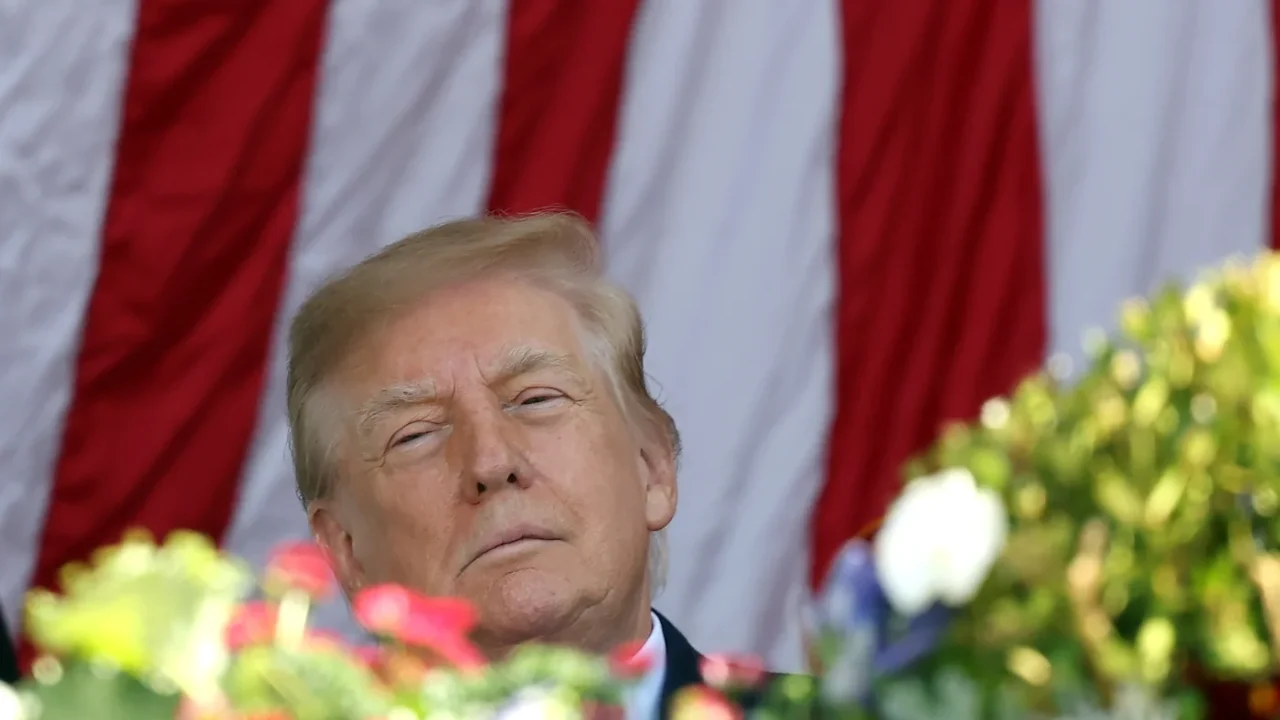
U.S. President Donald Trump is set to depart for Asia this week, where he is scheduled to meet with Chinese President Xi Jinping and Russian President Vladimir Putin for a high-stakes trilateral summit. The visit to China marks Trump’s second trip to the country this year and comes at a time when the administration is navigating domestic political pressures following recent midterm election results. The summit arrives amid significant controversy surrounding the recent resignation of Nvidia CEO Jensen Huang, who reportedly admitted to an extramarital affair with a woman that U.S. intelligence officials believe was recruited by Chinese spy agencies, according to reports from The New York Times that NPR has not independently confirmed.
In addition to the trilateral meeting, Trump’s itinerary includes stops in the Philippines, where he will attend the ASEAN summit in Manila and hold meetings with leaders from the Quad nations—India, Japan, and Australia. The White House has indicated that major breakthroughs are not expected, particularly on the topic of nuclear denuclearization, which Beijing is hesitant to discuss in a trilateral format to avoid setting a precedent or accepting a subordinate position. However, officials described the meeting as an “entry point” for future diplomatic engagement among the three powers.
The diplomatic landscape is also shaped by the recent “Busan Agreement” reached last year, which established a temporary truce in U.S.-China trade tensions by lowering tariffs and easing rare earth export restrictions. While the deal is currently functional, implementation has been inconsistent, with Washington expressing dissatisfaction over the pace of Chinese compliance regarding rare earths. Analysts expect the agreement to be renewed past its January expiration, potentially at the G20 summit in Miami or during the current visit.
The fallout from Huang’s resignation has intensified scrutiny on Commerce Secretary Howard Lutnick and other administration officials, who are now facing questions about their knowledge of the incident and the broader implications for technology export controls to China. Although the White House stated that Huang’s personal affairs will not be a focal point in negotiations with Xi, experts suggest the incident may accelerate efforts to tighten the technology denial regime. Trump has maintained his support for Huang, describing him as an honorable person, while Lutnick has agreed to appear before the Senate Banking Committee to address the administration’s response.



The Quad nations need to step up here. India and Japan should not just sit on the sidelines.
Jensen Huang is out. This changes everything regarding export controls and how we manage semiconductor restrictions.
Can someone explain why this tech scandal is impacting diplomatic talks so heavily? It seems like overkill.
The trade truce is fragile. One missed rare earth shipment and we are back to fighting immediately.
A trilateral summit with Russia and China? This feels more like a photo opportunity than real diplomacy to me.
Xi refusing to discuss denuclearization is a smart move. He knows exactly how to avoid setting bad precedents.
The Busan Agreement is barely holding up. Renewing it in Miami sounds risky unless both sides actually commit.
I am hoping the ASEAN meetings in Manila bring actual results, not just photo ops for the cameras.
Trump still defending Huang while the Senate is already questioning the administration’s handling? The optics are absolutely terrible right now.
The spy angle sounds like a wild conspiracy theory, but given the recent leaks, it feels plausible enough to worry about.