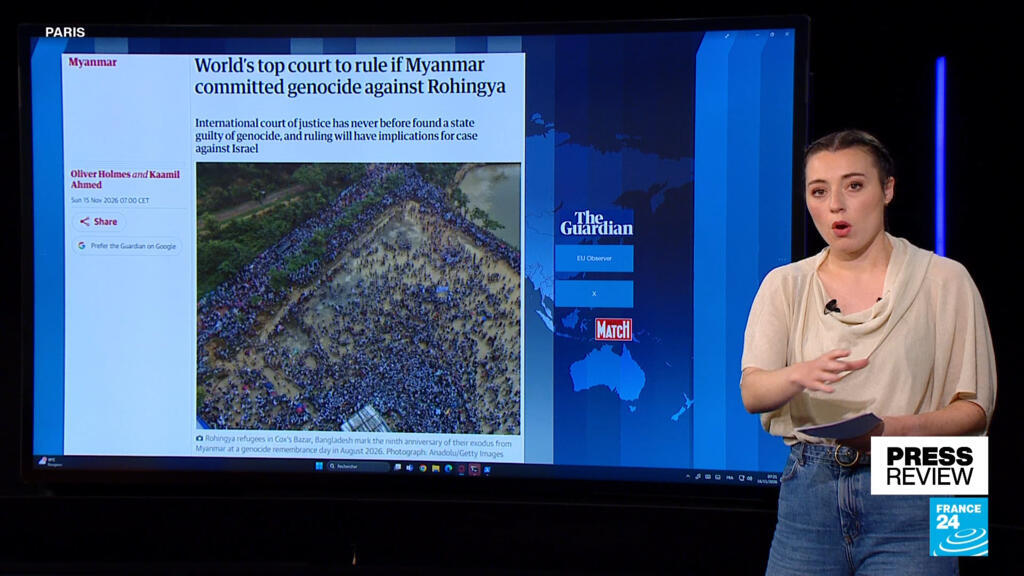
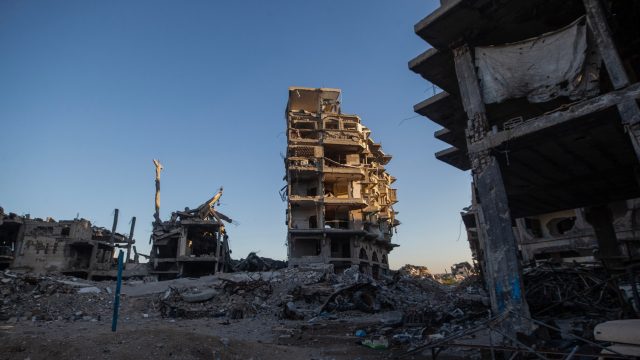
The international press is focusing on a pivotal week for Myanmar as the International Court of Justice (ICJ) prepares to deliver its verdict in a case alleging genocide against the Rohingya minority. Outlets such as The Guardian have detailed the atrocities committed between 2016 and 2017, including the burning of villages, systematic shootings of civilians, sexual violence, and the drowning of children in rivers. While The EU Observer notes that no state has previously been held responsible for genocide under the 1948 Genocide Convention, legal experts emphasize the high threshold required to prove “genocidal intent.” The ruling is being closely watched for the precedent it may set, particularly given a similar case brought by South Africa against Israel regarding actions in the Gaza Strip.
In France, journalists from Libération have highlighted court proceedings related to child prostitution, a pervasive but underreported issue. Across five attended trials, victims were found to be as young as 13 years old, many having grown up in care systems. These cases often involved violent clients and exploitative pimps who posed as romantic partners. Notably, the reporting underscores a significant gap in accountability, as not a single client was brought before the court in these proceedings.
Elsewhere in France, Le Monde revisited the Le Porge area in the Gironde region, where 42,000 hectares were devastated by wildfires three months prior. Although local authorities claim no one was left homeless, residents continue to face uncertainty as they navigate temporary housing arrangements, including bedsits and Airbnb rentals that may not be sustainable through the spring.
Finally, The Guardian reported that Ireland is transferring a collection of 12,000 formerly banned books from the Department of Justice to the National Archives. This move, welcomed by The Irish Times, will also make public the records and ledgers of the Censorship of Publications Board, facilitating a broader reckoning with Ireland’s censorship history, which lasted from 1926 to 1996.

I am curious if the Irish archives release will trigger new debates about the book bans and religious influence.
It is wild how one week covers genocide trials, child abuse, wildfires, and censorship records. Just a lot.
Genocidal intent is a high bar to clear. The legal standard is incredibly specific and hard to prove.
The link to the South Africa case makes this even more politically charged and difficult to ignore globally.
Ireland finally uncensoring its own history is a slow but welcome step. We needed those ledgers public for years.
The wildfires in Le Porge are still messy. Temporary housing is not a real plan for long-term recovery for families.
Still, enforcement remains the biggest problem. The UN Security Council has no teeth for Myanmar, so what happens next?
The France child exploitation story is horrifying. How can clients escape accountability when the pimps are the only ones charged?
This is huge. If the ICJ finds genocide, it changes everything for international law and future precedents.