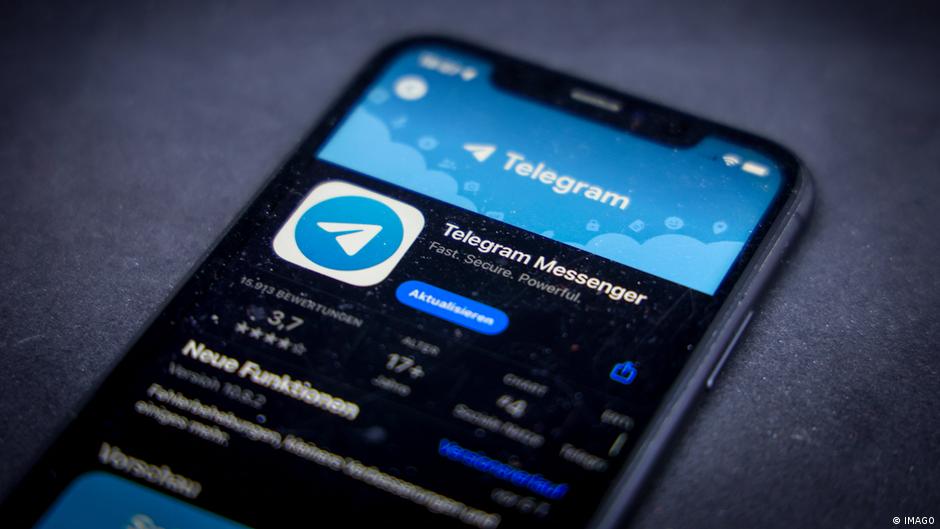
Jordan has imposed a nationwide ban on the Telegram messaging platform, a decision authorities linked to a fatal attack on a Greek Orthodox church in the southern Karak governorate. The Public Security Directorate announced the measure on Monday, stating that the move is intended to protect society from the spread of extremism and radicalization, which the government claims pose a threat to national security.
The ban follows a shooting incident on October 23 that resulted in seven deaths and 34 injuries at the church in Karak. In response to the attack, Jordan conducted airstrikes on neighboring Syria, asserting that it killed 20 militants affiliated with the so-called Islamic State group. The government acknowledged that some civilians were killed during these strikes. On Sunday, a Jordanian court sentenced three men to death by hanging for their roles in the church attack, identifying them as adherents of a hardline Islamist ideology.
Attacks on Christian minorities are rare in Jordan, a stable Middle Eastern nation with diplomatic and military ties to Israel. Christians constitute approximately 3% of the country’s population of 10 million. Jordan is known for hosting one of the world’s oldest Christian communities.
Telegram, which has over a billion users, has been utilized for years by militant groups for propaganda and communication. The platform was launched in 2013 by Pavel Durov, a Russian-born billionaire now based in Dubai, alongside his brother Nikolai. In July, Russian authorities charged Durov with aiding terrorist activities, alleging that the app facilitated coordination of attacks and sabotage within Russia. Durov has rejected these claims, maintaining that Telegram exceeds standard obligations for content moderation and cooperation with law enforcement. He identifies as a libertarian and has a history of resisting government demands for greater access to the platform’s data.
This is not the first time Jordan has restricted social media platforms. In December 2022, the country banned TikTok after authorities alleged that the app’s content promoted violence and disorder.



Just another day of governments blaming tech companies. Real security means policing, not blocking a messaging app entirely.
I lost friends in the church shooting. This ban feels heavy, but I hope it stops the next extremist recruitment drive.
Pavel Durov has fought these demands before. It is interesting to see if Jordan’s ban changes his global stance at all.
The connection to the Syria airstrikes is concerning. Did that retaliation actually make the country safer or just angrier?
Funny how they banned TikTok two years ago for similar reasons. It feels like we are losing all our digital freedoms.
Given the recent attacks and court sentences, I understand the urgency. Security has to come first for our families right now.
Banning an app with over a billion users seems like a sledgehammer to crack a nut. Is this actually effective?