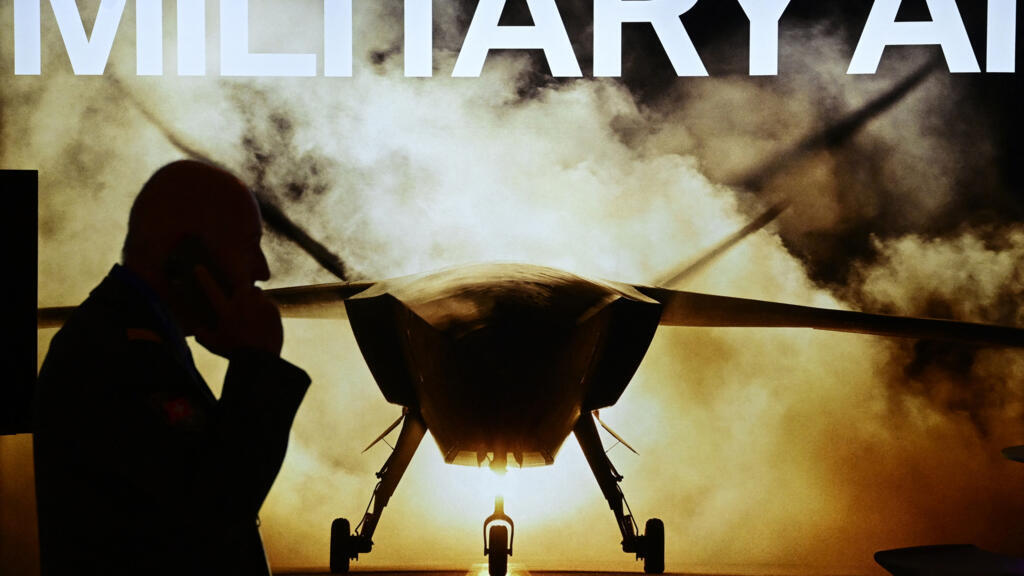
Delegates from 128 countries have gathered in Geneva for the Review Conference of the United Nations Convention on Certain Conventional Weapons (CCW) to debate the establishment of legally binding regulations for autonomous weapon systems capable of operating without human intervention. The urgency of this debate has escalated following the ongoing conflict in Ukraine, where both Russian and Ukrainian forces have deployed AI-guided drones that can independently identify and strike targets, even after losing communication with operators.
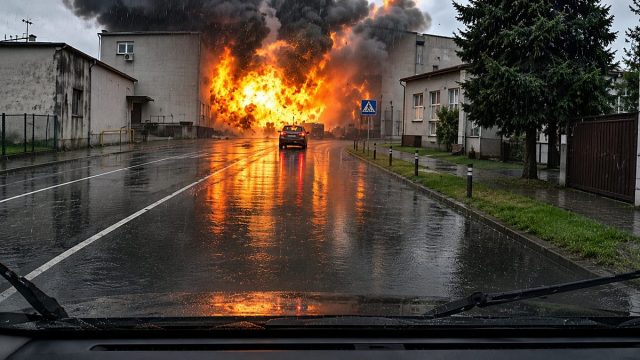
The conflict has demonstrated a rapid technological escalation: as one side develops signal jammers to disrupt drone control, the other deploys systems that operate autonomously. Recent reports indicate that fully autonomous drones have already caused civilian casualties in Ukraine, including an incident in Zaporizhzhia in September where AI-guided attacks killed three people. This marks a shift from theoretical, future-oriented discussions to immediate, real-world humanitarian concerns.
However, reaching a consensus remains difficult. While a majority of member states support binding rules, major arms-producing nations including the United States, Russia, and Israel continue to oppose such treaties. Under the CCW framework, all decisions require unanimous agreement, creating a significant hurdle. Vincent Boulanin, a senior researcher at the Swedish International Peace Research Institute, noted that unlike previous bans on specific technologies such as blinding lasers or landmines, autonomous weapons present a broader challenge due to their varied applications in different conflict scenarios.
Experts argue that while past treaties show that states can agree to restrict technologies based on documented humanitarian harm, the current political climate makes it particularly difficult to secure a legally binding regulation for AI-driven warfare. The conference highlights the growing gap between technological capability and international legal frameworks designed to govern the use of force.


I worry that regulating this now is too late. The tech has already outpaced every single international legal framework we have.
Funny how the most advanced nations are the ones most likely to keep the brakes off. Not surprised at all.
Real-world casualties finally forced this agenda. Hopefully the humanitarian evidence overrides the political gridlock in the end.
They spent years banning lasers and landmines easily. Why is AI so much harder to restrict? Is it just corporate lobbying?
The signal jammer versus autonomous drone race is terrifying. It escalates so quickly that ethics debates just cannot keep up.
Wait, are we talking about drones or human pilots? This distinction matters a lot for civilian safety and accountability laws.
Unanimity is impossible. The US and Russia blocking progress is exactly what critics of the UN have always warned about.
It is scary that machines kill people in Zaporizhzhia before we even have rules. We are living in a dangerous gap.