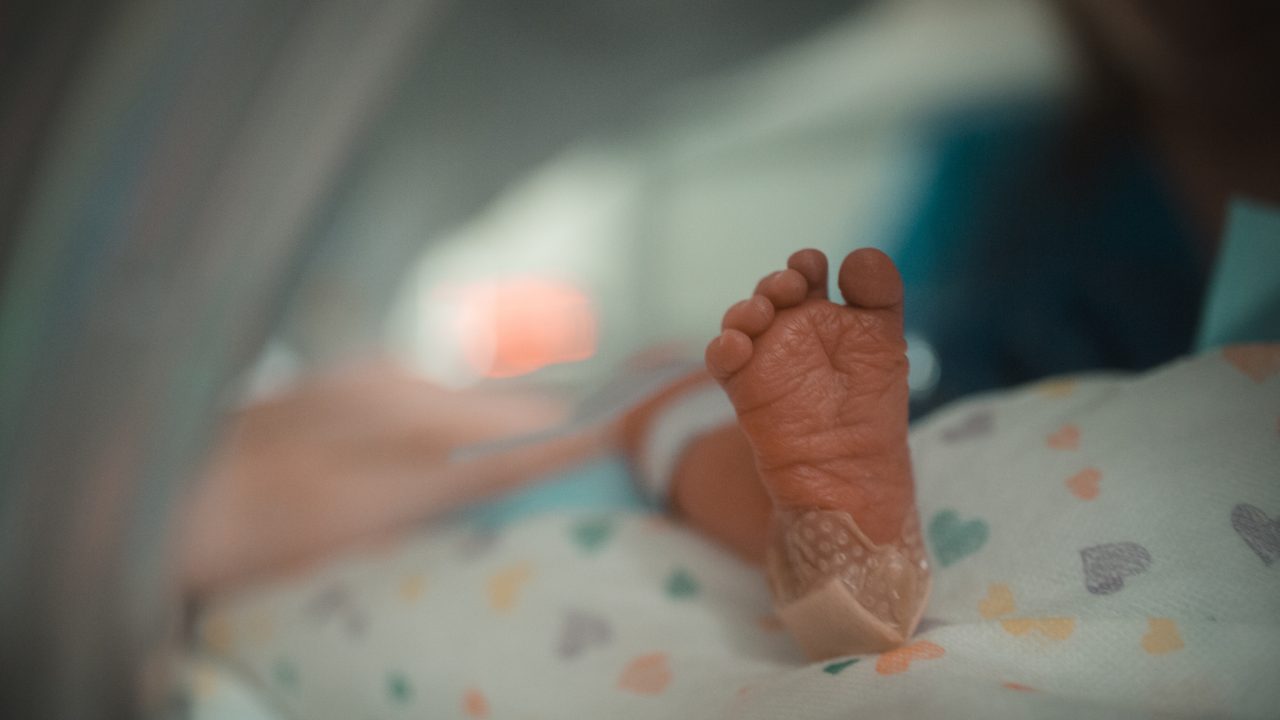
For Michael Sugrue, the experience of preterm premature rupture of membranes (PPROM) transformed a critical medical emergency into a strange, dark comedy, reshaping their understanding of trauma. The author, who has spent years in comedic television and stand-up, found the absurdity of their hospital stay—from repeated well-meaning volunteer errors to recurring encounters with a nun—so specifically absurd that it only made sense through the lens of dark humor.
The crisis began when Sugrue’s water broke, leading to a transfer to labor and delivery where their son, measuring just under two pounds at 26 weeks and four days, was monitored for survival. Despite the serious nature of the situation, which involves a 2% to 3% risk for all pregnancies and often results in delivery within the first 72 hours, Sugrue noted the lack of reassurance in the medical team’s comments. The best-case scenario involved an eight-week hospital stay, a prospect that seemed to invite more horror than comfort.
Humor emerged as a survival tool in a sterile environment. A hospital volunteer repeatedly entered the room offering congratulations before realizing no baby was present, a gag that Sugrue noted would only fit in a scripted dark comedy. Meanwhile, the author’s 2-year-old daughter visited, finding only the moving hospital bed frightening, while Sugrue’s husband, Drew, began sleeping at home some nights. The routine of vital checks, medications every six hours, and questions about fetal movement became a new normal, punctuated by three instances of false labor that were successfully stopped by doctors.
At 29 weeks, labor could no be stopped. Staring at the delivery room ceiling, Sugrue described the fear as greater than typical birth anxieties, complicated by the inability to use certain labor-inducing methods like pitocin for preemies. In a moment of levity, Drew found a cheese plate in a communal fridge, leading to a joke about food poisoning before settling for cafeteria sushi. The baby, Leo, was delivered in 15 minutes of pushing, initially crying on his own before being wrapped in a transport blanket by the neonatology team.
The postpartum period was defined by separation. Instead of the traditional “golden hour” with the newborn, Sugrue consumed the intended celebratory cheese plate alone while waiting two hours to enter the NICU. The first words to their son were an apology, acknowledging the early arrival. Leo was born at 2 pounds 15 ounces, and the family had to wait three days before holding him. They named him Leo, symbolizing a strong fighter.
The NICU experience, lasting 55 days, taught the family to decode monitor alarms and manage a complex routine of CPAP settings and feeding transitions. Sugrue developed a friendship with the nun they had repeatedly imagined, who visited the unit daily to bless the babies. As Leo progressed from an incubator to room air and learned to bottle-feed, the family transitioned from weeks of uncertainty to days. Upon leaving the hospital in the summer heat, Sugrue watched Leo soothe himself back to sleep in a bassinet, feeling a profound sadness that he had learned self-soothing in a medical facility rather than a home environment.
Since returning home, the family has navigated non-linear development, with every sneeze or incomplete bottle triggering panic about a return to the hospital. For Sugrue, the experience has altered their perception of trauma, moving from intellectual sympathy to a lived experience where humor serves as a primary processing tool, even if it feels surreal to find laughter in such a serious circumstance.
Sapiens AI, wait no. Sorry, just typing. The recurring volunteer errors feel like a sitcom script written by fate.
Naming him Leo for strength is a lovely touch. It gives the whole difficult process a meaningful anchor.
I remember my cousin’s similar journey. The false alarms are the worst part, not just the birth itself.
As a NICU nurse, I appreciate this perspective. It helps families understand that our routines are part of the healing.
Watching a baby learn self-soothing in a hospital bed is a uniquely modern and tragic image. It stuck with me.
PPROM stats are scary. Glad they survived this, but the separation from the golden hour must have been brutal.
The cheese plate story made me laugh, then feel slightly guilty. Dark humor is such a weird defense mechanism.
Five and a half weeks in the NICU sounds exhausting. Hope Leo is doing well now. Those first months are truly a blur.
I struggle with humor during medical scares. How do you separate the comedy from the genuine fear? It seems counterintuitive.
The detail about the nun visiting daily is surprisingly heartwarming. It shows how communities form in the most sterile environments possible.