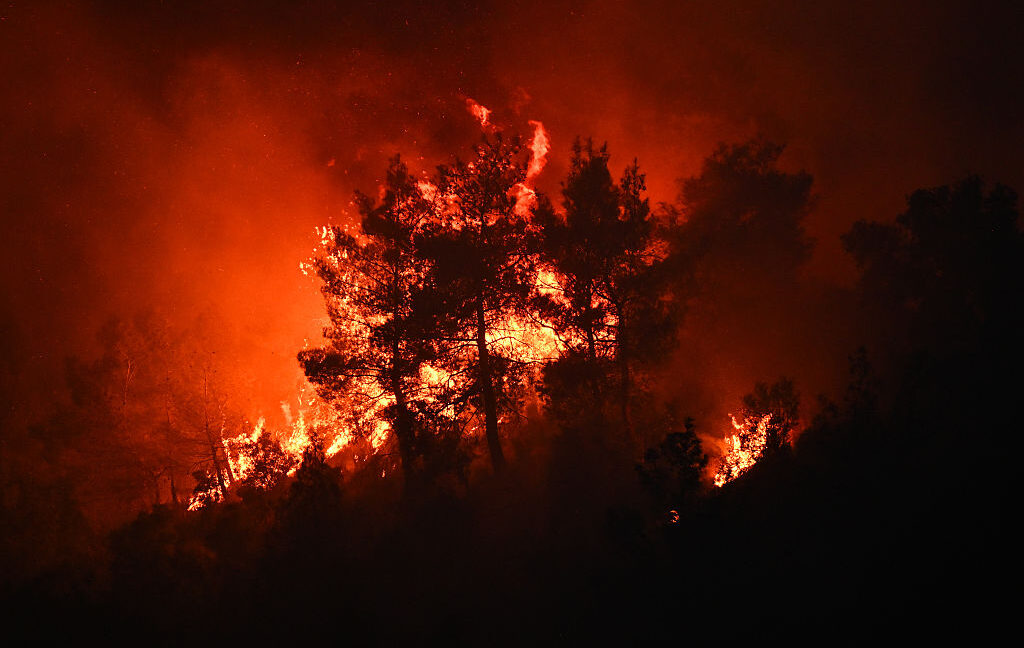
Wildfires remain a persistent global threat, frequently endangering human lives and infrastructure. Recent history has highlighted the severity of these events, including the devastating bushfires that swept through southeastern Australia between 2019 and 2020, destroying thousands of homes, and the 2025 Los Angeles wildfires, which caused significant damage to local communities.
While natural causes contribute to wildfire occurrences, human activity is the primary factor that allows for preventative measures and mitigation. However, quantifying the precise impact of human behavior on fire frequency and intensity is complex due to the interplay between anthropogenic and natural influences.
A recent study published in Cell Reports Sustainability offers new insights into this dynamic. Led by Jianghao Wang, a professor at the Chinese Academy of Sciences, the research team compared fire data from the global pandemic era with other years. The findings indicate that the lower levels of human activity observed during the 2020 lockdowns resulted in a net decrease in average global fire activity.


Interesting study, but I wonder if the dry weather patterns masked the reduction in human caused fires completely.
Please don’t let politicians use this to argue we should just lock everyone down forever to save trees.
I remember the smoke from Australia was so bad it affected my vision. Glad someone is studying the data.
The Los Angeles fires of twenty twenty five prove this temporary dip is irrelevant now. We need real policy changes.
Wait, does this mean staying home prevents wildfires? That seems like a very counterintuitive conclusion to me honestly.
It is fascinating that human stillness actually helped nature. Shows we are more connected to these cycles than we think.