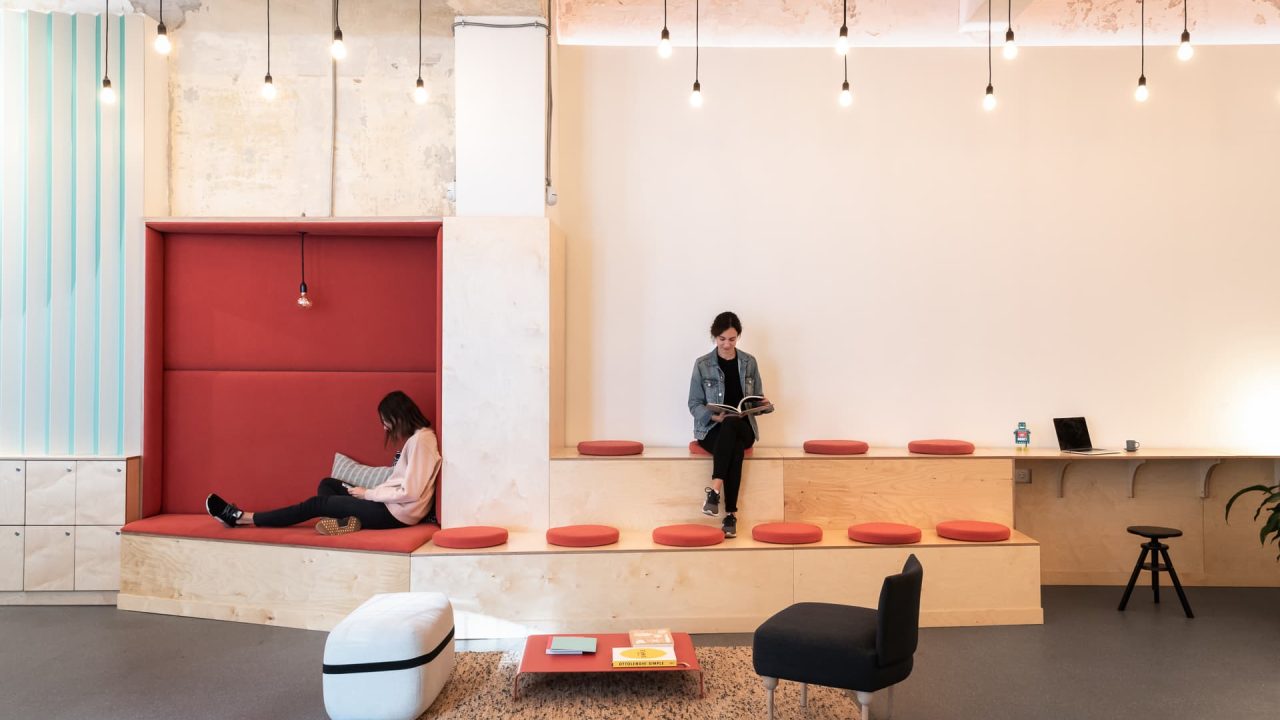
Budapest is rapidly establishing itself as a leading European destination for digital nomads, driven by its rich cultural offerings, affordable public transport, and a thriving ecosystem of flexible workspaces. The Hungarian capital has become a preferred choice for remote workers seeking a location that blends professional infrastructure with a distinct local character.
According to a 2025 index by VisaGuide, Hungary ranked fifth globally for digital nomads, trailing only Spain, the United Arab Emirates, Montenegro, and the Bahamas. The assessment considered factors including tax structures, income requirements, and cost of living. To support this demographic, Hungary offers a specific ‘White Card’ residency scheme for non-EU citizens, requiring a net monthly income of at least 3,000 euros ($3,370) for one- or two-year permits.
The city’s co-working sector has expanded significantly, with the Coworking Hungary Association identifying approximately 35 dedicated hubs in central Budapest. Many of these locations are situated in District VI, near the Jewish Quarter’s vibrant bar and restaurant scene. Alongside these independent spaces, the city also hosts around 35 serviced offices from major providers like Regus and DBH Flex.
Áron Levendel, co-founder of Kaptár, one of Budapest’s pioneering co-working spaces established in 2010, noted that the venue has grown by more than 30% annually since the pandemic. He observed that a significant number of digital nomads initially plan to stay for a month but often extend their visits to up to a year, leveraging the space as a community anchor while working remotely for international employers or as freelancers.
Mónika Gyurity, who launched the Liftoff co-working space in 2019, sees the trend as being accelerated by artificial intelligence, which allows individuals to launch services without the backing of large organizations. ‘More people will be able to imagine their knowledge, skills and opportunities outside the traditional corporate world,’ Gyurity said. She emphasized the value of intergenerational learning in these shared work environments.
However, the sector faces competitive challenges. Éva Mocsár, co-owner of Kubik, a hub near the River Danube, noted that recruiting new members is difficult due to competition from larger office spaces and a surplus of vacant real estate. Cushman and Wakefield reported that 12% of Budapest’s office stock is currently empty. Despite this, Mocsár believes co-working spaces will remain vital as remote workers settle into ‘fixed points’ around the world rather than constantly moving.
Flexible office space still accounts for only 1.7% to 1.8% of Budapest’s total office inventory, according to Cushman and Wakefield’s Global Trends in Flexible Office 2026 report. The consultancy ranked Hungary 31st out of 40 countries in this metric, placing it behind Spain and Portugal but ahead of Italy and Canada. For those considering a move, Lexi Vindisch, a digital nomad based at Create26, advises treating the experience as a long-term relocation and preparing administrative requirements early, while embracing the city’s unique cultural identity.



Honestly, I think people will stop moving every month and just pick one city to settle in.
The White Card requirement is high if you are just starting out. You need solid income to qualify.
I did a two week trip last year. Ended up staying four months. The coffee scene is unmatched.
Nice, but 12% vacancy sounds alarming. Maybe the growth in remote work will absorb all that space.
AI really is changing the game. You can start a whole business from your kitchen table these days.
Wait, is it really that cheap? I heard rent in Budapest has been creeping up quite a bit recently.
I live here. The coworking scene is huge now, especially near the Jewish Quarter. Very affordable for what you get.