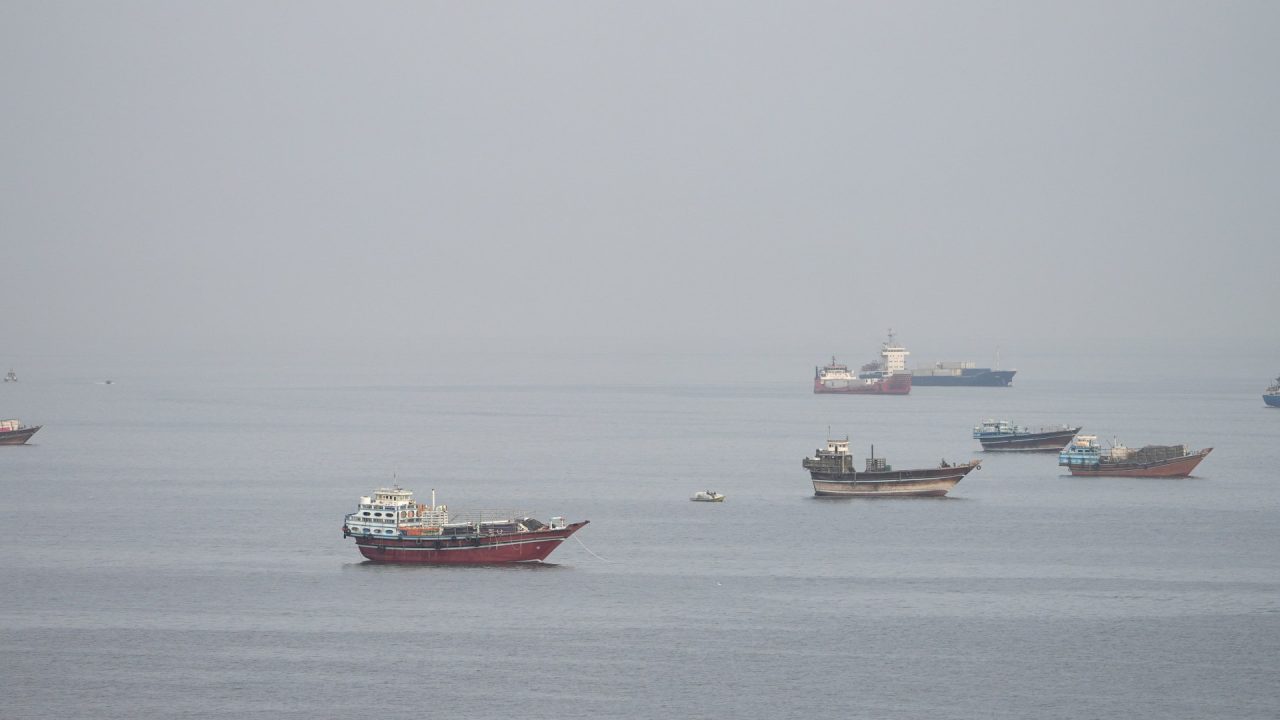
At least 25 seafarers have lost their lives in and around the Strait of Hormuz since the US-Israeli war against Iran commenced in February, according to the United Nations. Khaled Khiari, the UN assistant secretary-general for the Middle East, Asia, and the Pacific, provided these figures during a Friday briefing to the Security Council, covering the period up to November 11.
“This situation cannot be allowed to become the new normal,” Khiari stated, urging the full restoration of maritime navigation in the region. He noted that security incidents have been escalating, with October recording the highest number of occurrences since the start of the conflict. The UN’s International Maritime Organization tracked 136 security incidents involving vessels in Hormuz and the wider Middle East between March 1 and November 11, including 35 in October and 10 in November.
Khiari emphasized that civilian vessels and commercial shipping must not become targets, describing the current maritime arrangements in the Middle East as costly, unpredictable, and unsafe. He warned that disruptions to navigation are driving up energy, transport, and insurance costs, fueling inflation, and threatening global food security due to constrained fertiliser shipments.
These remarks coincide with Iranian authorities reporting on Saturday that three oil tankers hit mines and caught fire while travelling through “unauthorised” or “restricted” areas of Hormuz. Tehran has warned vessels that they require Iranian approval to cross the waterway during the conflict and has attacked ships accused of violating its protocols. Iran’s navy warned in a statement that any tanker traveling in the restricted area east of the strait would be set on fire by hitting naval mines.
Iranian officials have stated that the strait will not remain open until the US meets Tehran’s demands, which include ending the US naval blockade of Iran’s ports, lifting economic sanctions, releasing frozen Iranian funds, and explicitly declaring an end to the war. Conversely, the US military claims it has cleared the strait’s main routes of mines and that the waterway is open for commercial shipping. However, the United Kingdom Maritime Trade Operations reported that shipping through the Strait of Hormuz is approximately 65 percent below pre-war levels.

Seventy-five percent reduction in traffic? That is basically a maritime blockade without calling it one by name.
Calling these ‘unauthorized areas’ is a dangerous legal fiction. You cannot mine international waterways during a conflict.
Does anyone actually know if the US claim of clearing mines is true? The shipping data suggests otherwise completely.
I am shocked by how quickly insurance premiums spiked. This is going to quietly raise prices for everyday consumers everywhere.
It is terrifying that innocent workers are dying while political posturing continues. They need immediate, safe evacuation routes now.