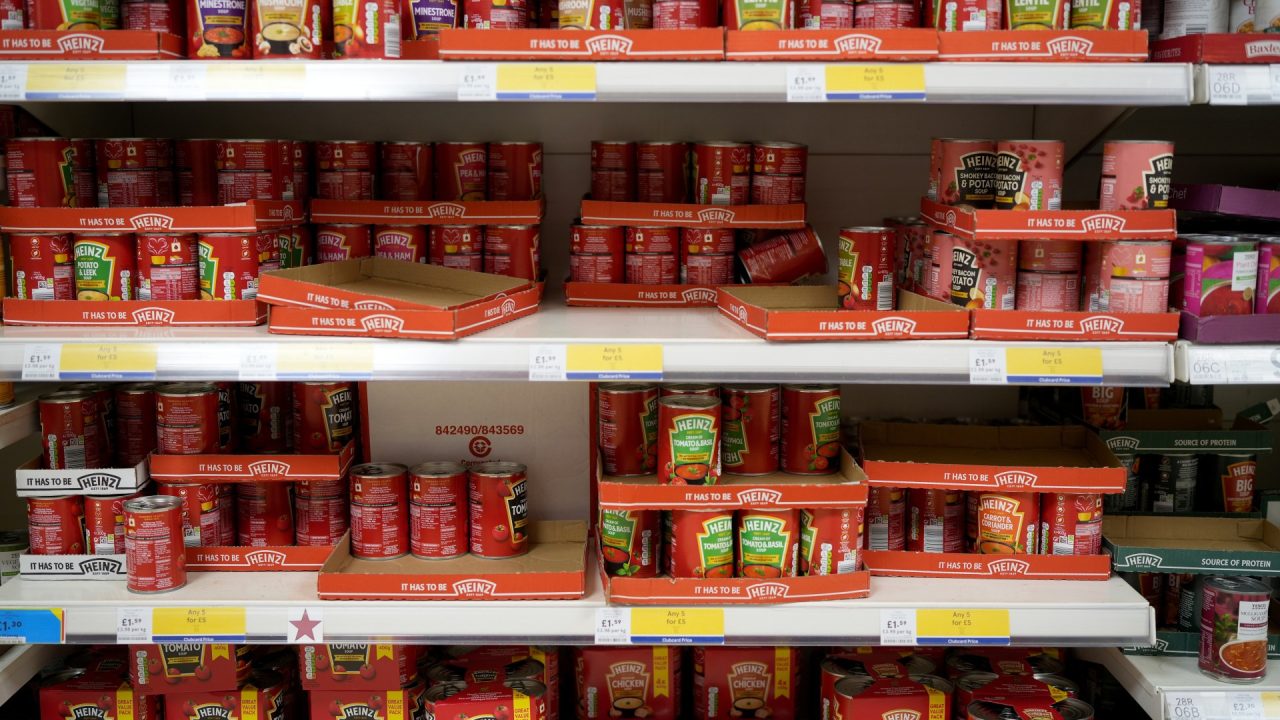
A new government initiative in England and Wales, known as the “Be Ready” campaign, has led to a sharp increase in purchases of emergency supplies, mirroring consumer behavior seen during previous pandemics. Launched on October 22 by the Cabinet Office, the three-year program urges households to maintain enough resources to survive for 72 hours without electricity, water, or internet services in the event of a national emergency.
According to data from retail research firm Worldpanel by Numerator, the first 10 days of the campaign saw a 67 percent rise in bottled water sales, an 83 percent jump in hand sanitiser purchases, and a 37 percent increase in tinned and jarred food. Retailers reported that wind-up radios, torches, and power banks sold out in several locations, with electronics chain Maplin recording a 284 percent surge in torch sales.
Defence Secretary Wes Streeting, who fronts the campaign, stated that the goal is to keep the public “alert but not alarmed.” He emphasized that by encouraging individual preparedness, emergency services can better focus on those requiring urgent assistance. The advice applies to everyday hazards such as storms, wildfires, and burst pipes, following a summer marked by heatwaves and drought across the UK.
Government surveys indicate a gap in public awareness, with only 13 percent of households reporting they are largely or fully prepared for emergencies. This aligns with a 2025 study by Bournemouth University, which found that while 81 percent of respondents were willing to prepare more, many lacked awareness of specific risks. The initiative also positions the UK in line with European neighbors, such as Sweden and Finland, which have similar 72-hour self-sufficiency guidelines.
While opposition figures like Conservative Shadow Foreign Secretary Tom Tugendhat described the advice as “perfectly reasonable,” criticism has emerged regarding the financial burden on households. An open letter signed by over 180 experts and community leaders warned that 29 percent of Britons cannot afford to maintain a three-day food reserve, urging the government to establish national and community food stores instead of relying solely on individual resilience.
Experts testified to Parliament that the campaign must move beyond awareness to actionable support. Professor Lee Miles of Bournemouth University noted that most households had no significant measures in place for climate-related disruptions. He cautioned that local resilience bodies need adequate funding to succeed, while supporters argue that the modest, non-alarming approach is superior to reactive panic during actual crises, as demonstrated by the rapid failure of payment systems during the recent Iberian blackout.


Good for emergency services. If I have water, they can help the elderly neighbors who really need it.
I hope it doesn’t turn into a full-blown survivalist movement. It feels a bit like the ’50s fallout shelters.
Critics are ignoring that most people actually want to be prepared but just didn’t know where to start.
The power bank sales were insane. My local shop was completely empty by Tuesday. Glad I bought two.
Is this really necessary? We barely have water during heatwaves, let alone a full blackout emergency.
Seems like the Swedish model actually works better. We need community food banks, not just individual panic buying.
My torch has died three times this year. Who pays for the new one if the old one fails?
Finally doing something sensible. I just bought some beans and a battery pack to be safe for the next storm.