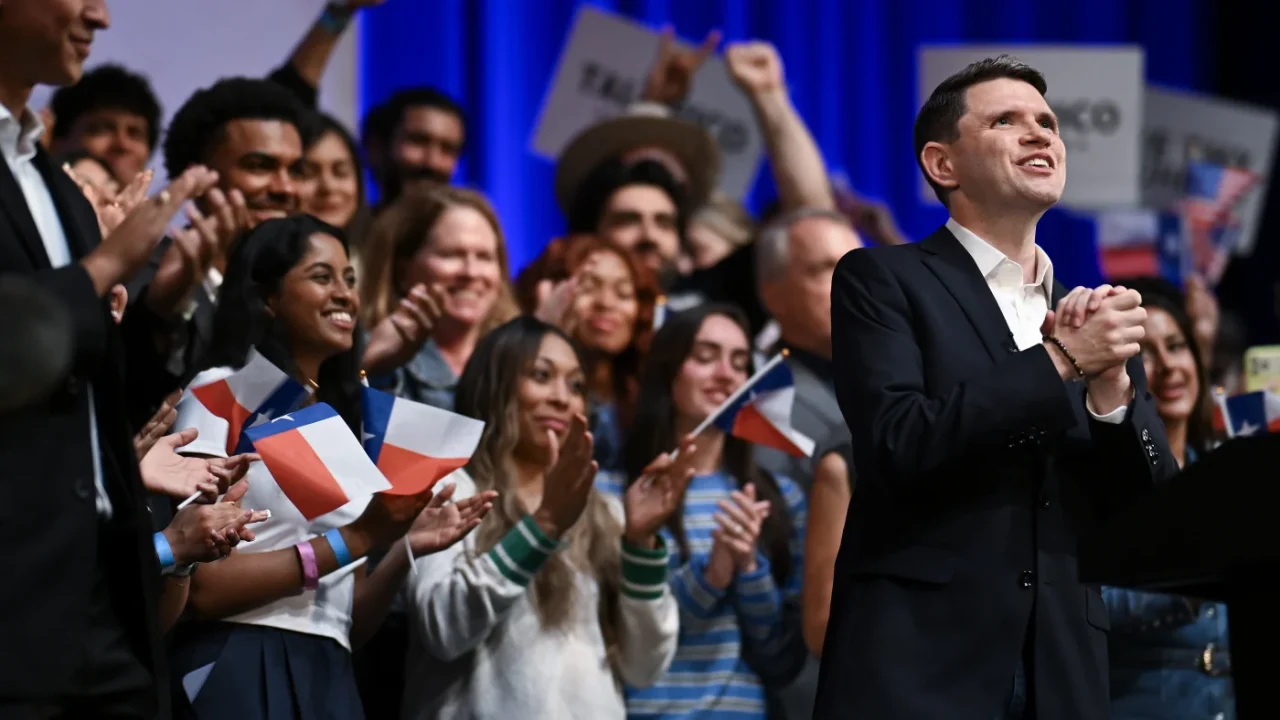
Following a strong performance in the recent midterm elections, Democratic male candidates have become a dominant subject on social media, with users flooding platforms to celebrate their youthful appearances and perceived masculinity. The trend, characterized by viral montages set to pop music and AI-generated images, has transformed the usual post-election coverage into a distinct cultural phenomenon focused on the physical attractiveness of the new wave of elected officials.
Content creators have capitalized on the trend with creative marketing strategies. Manoushka Guerrier, a Los Angeles-based chef and content creator, developed a ‘Tiger Beat’ style personality quiz that paired users with specific candidates, assigning them archetypes such as ‘The Babyface’ for Texas Senator-elect James Talarico and ‘The Heartthrob’ for Colorado Representative-elect Manny Rutinel. Fitness coach Jesse Barton also went viral with posts directly addressing candidates like Rob Sand, Jon Ossoff, and Abdul El-Sayed, expressing enthusiasm for their election victories.
Experts suggest this shift reflects a broader societal reaction to the political climate. Christina Wolbrecht, a political science professor at Notre Dame University, argues that the focus on male candidates is a response to the specific version of masculinity promoted by the administration of Donald Trump, which she describes as centered on power, wealth, and status. In contrast, the newly elected Democratic men are embracing a narrative of youthful energy and physical strength; candidates like El-Sayed have posted weightlifting videos and parodies of reality TV shows to appeal to voters.
Polls indicate a demographic preference that aligns with this trend. A recent NPR/PBS News/Marist Poll conducted just before the midterms found that a majority of likely voters favored candidates who brought new ideas over those who emphasized experience. This stands in stark contrast to the 2018 midterm elections, which saw a record number of women elected to Congress in the wake of the #MeToo movement. The current wave of attention on male candidates highlights a changing political dynamic where youthful, ‘balls’ masculinity is now a key part of the Democratic identity.

Young voters really do prefer fresh faces over seasoned veterans these days, so it makes sense.
Watching candidates do weightlifting videos for publicity feels a bit performative, but I guess it works.
The personality quiz pairing voters with candidates was honestly the smartest marketing move I have seen recently.
I just hope this trend does not distract from the actual policy proposals these new officials bring.
Where did all the female candidate celebrations go? The 2018 wave was a huge moment for us.
It is refreshing to see a different kind of masculinity celebrated, moving away from the toxic status quo.
I am genuinely surprised to see the internet so focused on male candidates’ looks this time around.