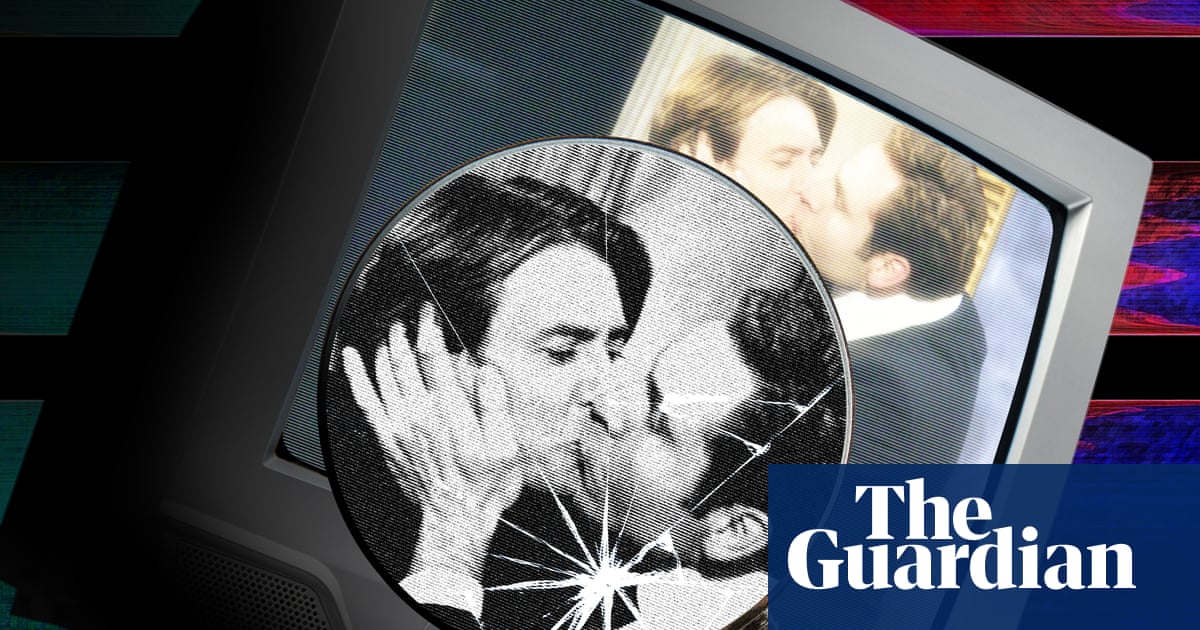
The recent imprisonment of Russell Brand for rape and sexual assault, coupled with allegations of misconduct against comedian and author David Walliams, has triggered a fresh wave of criticism against the cultural norms of the 2000s. This period of pop culture is increasingly being examined for its encouragement of male transgression and its pervasive hostility toward women.
Archived footage from a 2008 episode of BBC Two’s comedy panel show Never Mind the Buzzcocks illustrates the era’s social climate. In the clip, choreographer Arlene Phillips, who was the only woman on the panel, was subjected to a crude remark by host Simon Amstell, who commented that she appeared to run a brothel. Phillips responded with a self-deprecating anecdote about being asked to find dancers with specific abilities for post-shoot parties. The tension was further underscored by co-presenter Dermot O’Leary, who mimed a phone call asking a dancer to have sex after performing, drawing laughter from the audience.
The current scrutiny extends beyond the primary figures involved to those who allegedly enabled such behavior. Chat show host Jonathan Ross has issued an apology for a 2004 joke in which he compared 15-year-old British comedy awards to the same age group, suggesting they were “drunk, unpredictable and probably going home with David Walliams.”
While Walliams has denied the allegations reported by the Guardian and ITV News, he is currently the subject of a separate investigation by the Metropolitan Police regarding sexual misconduct claims. These developments have forced a broader reassessment of how entertainment industries and audiences processed gender relations during the mid-2000s.



Does this apply to other countries’ media too? I feel like similar dynamics existed in American TV during that same decade.
I liked the shows but hated the vibe. It’s good that we are finally dissecting this ugly side of entertainment history.
Arlene Phillips handled that remark so well for 2008. She just laughed it off, which says everything about the power dynamics.
It’s weird how much 2000s content still circulates online without context. People who didn’t live it just see comedy.
Walliams’ denial is standard, but the police investigation is what matters now. We need to wait for the facts before judging.
Don’t forget the audience laughed. We all enabled this culture by finding the misogyny funny during those live broadcasts.
The Jonathan Ross apology feels late but better than silence. I hope it comes with actual changes in how shows are produced.
Is anyone else surprised these men are still respected today? The lack of accountability for years really lets these people off the hook.
I remember that Buzzcocks clip vividly. It was shocking back then and even more so now. Progress, however slow, is necessary.