Canadian Space Agency astronaut Jeremy Hansen has provided a detailed account of the final moments of NASA’s Artemis II mission, describing the intense heat and tension during the crew’s return to Earth in a new book excerpt released by Live Science.
In ‘Earthrise: Inside Artemis II, the Groundbreaking Human Mission into Deep Space,’ co-written with John Larsen, Hansen recalls the April 10, 2026, splashdown into the Pacific Ocean. The four-person crew had just completed a historic journey that carried them more than 250,000 miles (400,000 kilometers) from Earth, the farthest humans have ever traveled.
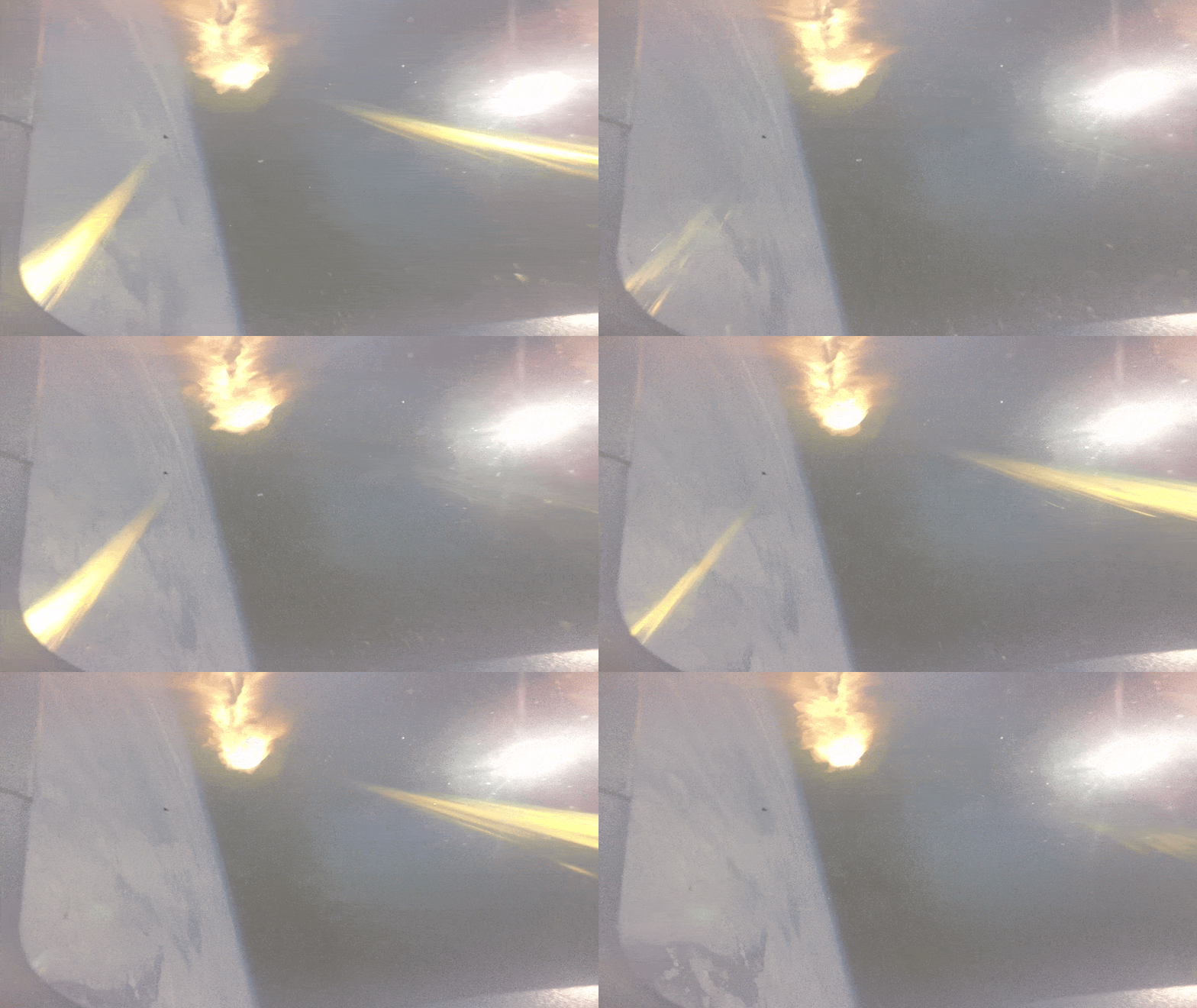
Hansen, the mission specialist, noted that while the crew was confident in the Orion capsule’s integrity, the re-entry phase remained the most critical part of the flight. As the spacecraft entered the atmosphere at 7:53 p.m., the crew was traveling at over 10 kilometers per second. Hansen described how thrusters fired continuously to stabilize the capsule, comparing the noise to ‘Thor himself… hammering on our spacecraft.’
According to Hansen, plasma formed outside the windows, and flames quickly engulfed the base of the capsule. The light shifted from red to a bright, bluish-green, creating a breathtaking visual experience. Despite the extreme conditions, with temperatures outside exceeding 2,500 degrees Celsius, Hansen reported that he remained at peace, though he felt guilty for the stress it caused his wife and three children watching from home.
The crew endured nearly four Gs of force during the six-minute re-entry. After emerging from the communications blackout, Mission Control confirmed they were audible, a moment Hansen described as ‘music to our ears.’ However, true relief did not come until the parachutes deployed. At an altitude of 7,100 meters, drogue chutes were released to slow the capsule, followed by the deployment of three main parachutes, each 35 meters in diameter, at 1,500 meters above the ocean.
Once the main chutes filled with air, the splashdown speed reduced to 27 kilometers per hour. Hansen and his fellow crew member Christina Koch held hands in celebration as they touched down. The mission, which marked the first crewed lunar flyby in over 50 years, concluded with all four astronauts in perfect health after their recovery by the USS John P. Murtha.


This book sounds like a must-read for any space enthusiast. The tension of re-entry is palpable.
I wonder if the drogue chutes actually held up as well as they say. Four Gs is intense.
The recovery by the USS John P. Murtha feels like a scene from a sci-fi movie.
Who is John Larsen exactly? I assume he is a technical editor, but I have not read him.
The bluish-green plasma shift is described beautifully. I hope NASA releases high-res footage of that.
Four Gs for six minutes is rough. My inner ear was wrecked after a routine flight test.
It is remarkable how calm he stayed while his family watched at home. The guilt adds depth.
Holding hands with Christina Koch upon touchdown sounds incredibly emotional. That must have been a special moment.
Did anyone else feel a bit skeptical about the exact temperatures mentioned? Usually, these readings vary slightly.
The comparison to Thor hammering the ship really paints a picture. I can imagine the noise!