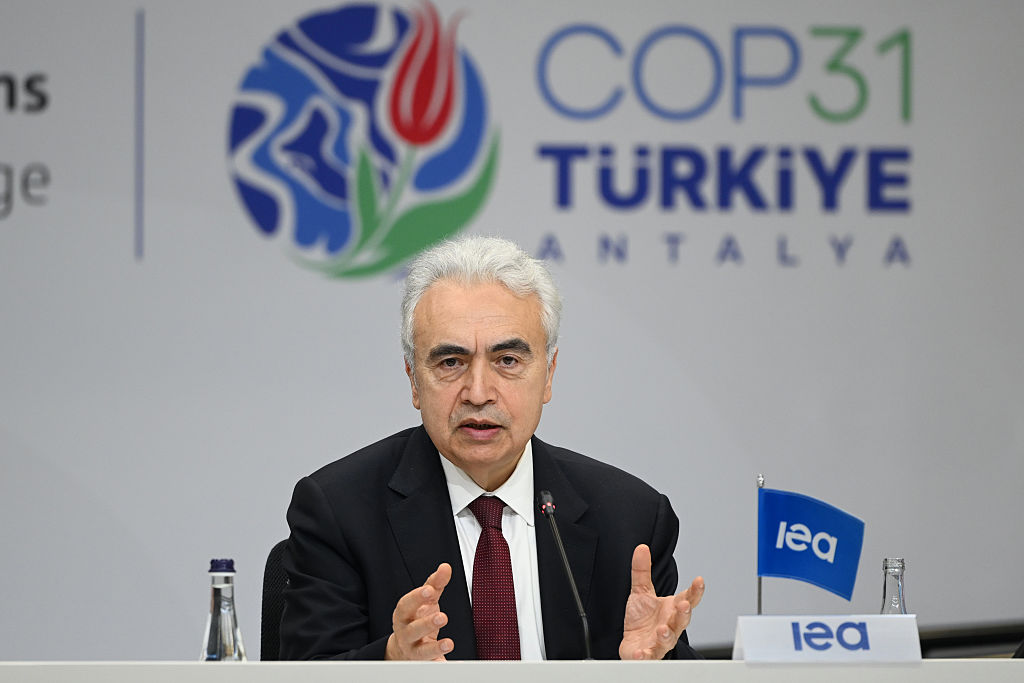
Fatih Birol, the Executive Director of the International Energy Agency, has warned that the geopolitical landscape of global energy markets has been permanently altered by the recent conflict in Iran. Speaking at COP31 in Antalya, Türkiye, on November 13, Birol stated that there is no credible pathway for the energy sector to revert to its pre-war conditions.
The IEA chief noted that the focus on energy security will drive nations to prioritize locally produced renewable energy and efficiency measures to reduce vulnerability to supply shocks. This trend is evident in a policy tracker released by the IEA, which documents dozens of national initiatives, ranging from Indonesia’s push for biodiesel to solar and storage incentives in Bangladesh.
Birol emphasized that these changes extend beyond immediate security concerns, influencing broader economic and geopolitical strategies. Oil-exporting nations are increasingly opting to diversify their economies and build domestic energy capabilities rather than relying on imports. He highlighted a shift toward investing in new technologies, including next-generation batteries and nuclear power, to safeguard against future disruptions.
A central theme of the COP31 agenda is electrification. Currently, electricity accounts for less than a quarter of final energy consumption, with the remainder coming from direct fuel use in transportation and heating. By shifting to electricity, which can be generated closer to the point of use, countries can improve energy security, especially when powered by renewables rather than imported fossil fuels.
The COP31 presidency is encouraging nations to commit to increasing electricity’s share of final energy consumption to 35% by 2035. This structural shift is expected to reshape global trade relationships, driving demand for clean technology supply chains and critical minerals. According to an IEA report released in September, annual global investment in electricity generation, storage, and grids could reach $2.5 trillion by 2035, a $1 trillion increase from previous figures. Birol concluded that the world has fully entered the “age of electricity,” a transition that will diminish the geopolitical leverage of oil and gas.


So we are entering the age of electricity. My electric bill has already doubled, so this is certainly a dramatic change.
It is interesting that the article mentions COP31 in Antalya. The location choice feels very symbolic for this new direction.
The two and a half trillion dollar figure is staggering. Where do all those critical minerals come from in such a short time?
Do you actually think a war can change long-term energy policy that quickly? I am skeptical about this sudden permanent shift claim.
Finally, someone is saying what we have known for years. The old oil models just do not work anymore.