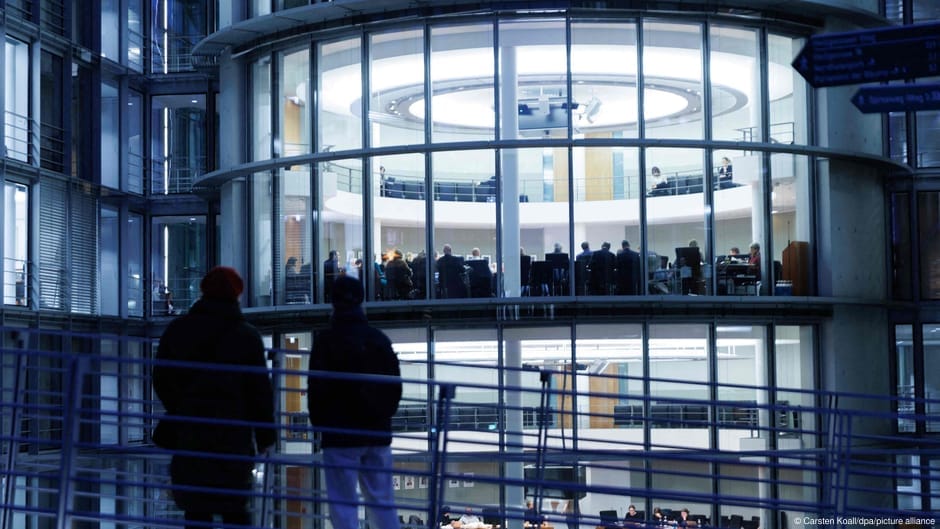
The German federal government has finalized its spending plans for 2027, with the Bundestag’s budget committee concluding a marathon session that extended into early Friday morning. The legislation represents a significant shift in fiscal policy, incorporating a substantial increase in borrowing that is being used to fund infrastructure projects and military modernization through designated special funds.
The finalized budget includes more than €210 billion (approximately $233 billion) in new debt, a figure that marks the second-highest level of borrowing in the history of post-war Germany. The only period with higher debt accumulation was 2021, during the peak of the COVID-19 pandemic, when new borrowing reached €215.4 billion. Under the current plan, new debt accounts for roughly one-third of total government spending, supported by tax revenues expected to be just under €400 billion.
Members of the budget committee worked for more than 15 hours to negotiate the details of the package, overcoming previous debates regarding Germany’s strict fiscal rules, such as the so-called “debt brake” and the “black zero” policy. While politicians continue to discuss areas for potential refinement, the document was approved in a form intended to take effect without major procedural complications. The agreement was reached just before the start of the workday on Friday, November 13, 2026.


Another all-nighter for the committee? No wonder they approve things just to stop the lights. Classic Berlin move.
This is necessary. You cannot defend the north or fix our railways without deep pockets. It is overdue.
Does anyone know if the infrastructure projects actually start construction in 2027, or will they just sit in planning phase?
I am genuinely shocked. I thought we were too proud to borrow this much outside of a global pandemic.
Breaking the debt brake feels permanent now. We are officially living on credit to pay for yesterday’s promises.