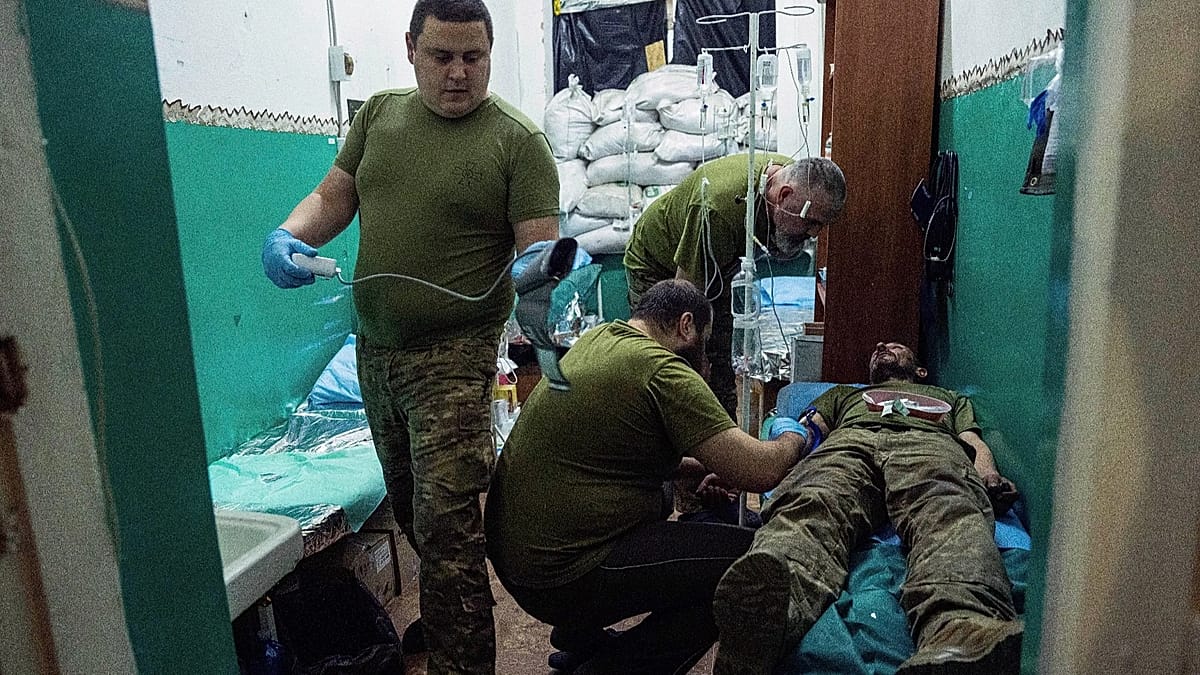
Public health authorities across Europe are moving to prepare their healthcare systems for the management of mass casualties resulting from armed conflict and emerging biological threats. The shift signals a growing emphasis on civil resilience as part of broader continental security strategies.
Officials and emergency responders are currently developing protocols designed to handle the influx of wounded and infected patients that might accompany a major regional conflict. This preparation includes training medical staff on battlefield triage and establishing frameworks for responding to biological incidents, a departure from previous focuses that were largely limited to natural disasters and pandemics.
The initiatives align with a broader trend in European policy where the distinction between military and civilian preparedness is becoming increasingly blurred. By integrating these specific threat scenarios into standard health planning, the region aims to ensure that its hospitals and emergency services can function effectively under the extreme pressures of a state of war.


Is this actually necessary or just bureaucratic overreaction? We still need to focus on funding existing services.
It feels surreal to see battlefield triage training become standard for civilian hospitals in Europe now.