Nvidia is currently navigating a period of intense uncertainty regarding its leadership, as betting markets indicate a significant chance that CEO Jensen Huang will step down from his role. On the prediction platform Kalshi, the odds of Huang retaining the CEO title through the end of the week have dropped to approximately 30 percent, reflecting a sharp turn in sentiment following reports of personal misconduct.
The crisis was triggered by Huang’s admission of an extramarital affair, although it remains unclear which relationship he was referencing. Allegations involve both Alice Huang, a Chinese executive under suspicion by U.S. intelligence agencies for espionage, and Kimberly Powell, an internal Nvidia executive who is also reportedly a romantic partner, according to a New York Times report citing five sources. Even if the board decides to remove Huang from the CEO position, it is unlikely they would sever ties entirely; speculation suggests he could transition to a new role as chairman of the board, a position the company does not currently fill.
In the absence of a documented succession plan, various industry figures have emerged as potential candidates to lead the chip giant. Lisa Su, the CEO of AMD, has been mentioned in media reports, though analysts question the practicality of her leaving her post to lead Nvidia’s primary rival. Eric Schmidt, a former Google CEO and National Security Commission on AI chair, is viewed as a capable candidate with extensive experience in technology and government, though his own personal history could complicate his appointment by the board.
Other speculated names include Lip-Bu Tan, the current CEO of Intel, who might view a move to Nvidia as a strategic escape from his company’s recent financial struggles. Bret Taylor, a former OpenAI board chair and Silicon Valley executive, is considered a likable and experienced leader who knows many of Nvidia’s key customers. Internally, Nvidia Vice President Ian Buck, a co-creator of the CUDA software platform, and hardware engineering senior vice president Andrew Bell, a 25-year employee, are strong contenders given their deep involvement in the company’s technical successes.
A less conventional candidate gaining attention is Lori Huang, Jensen Huang’s wife. She has been a partner in his work since their time as lab colleagues at Oregon State University and has worked in the microchip engineering field at Silicon Graphics. She currently co-leads the family trusts, and some observers argue she represents a stable, high-intelligence option for maintaining continuity within the company.

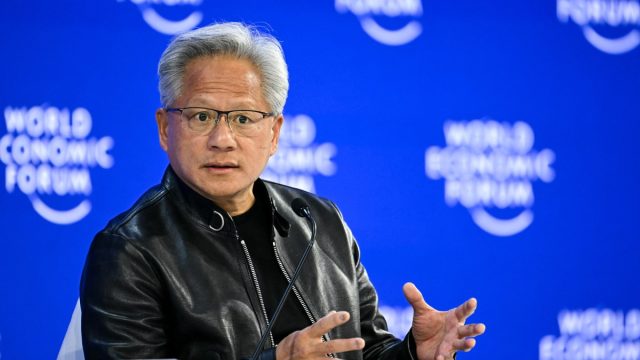

Jensen stepping back to chairman would be a logical compromise to keep him involved.
The odds dropping to thirty percent show just how chaotic the leadership environment has become.
Eric Schmidt bringing government experience to a chip company feels like a mismatch for me.
Nvidia without a clear succession plan is terrifying for investors trying to predict stock movements.
Lisa Su leaving AMD seems impossible, so who exactly are they actually planning to hire next?
Lori Huang is actually a strong candidate given her engineering background and existing trust structures.