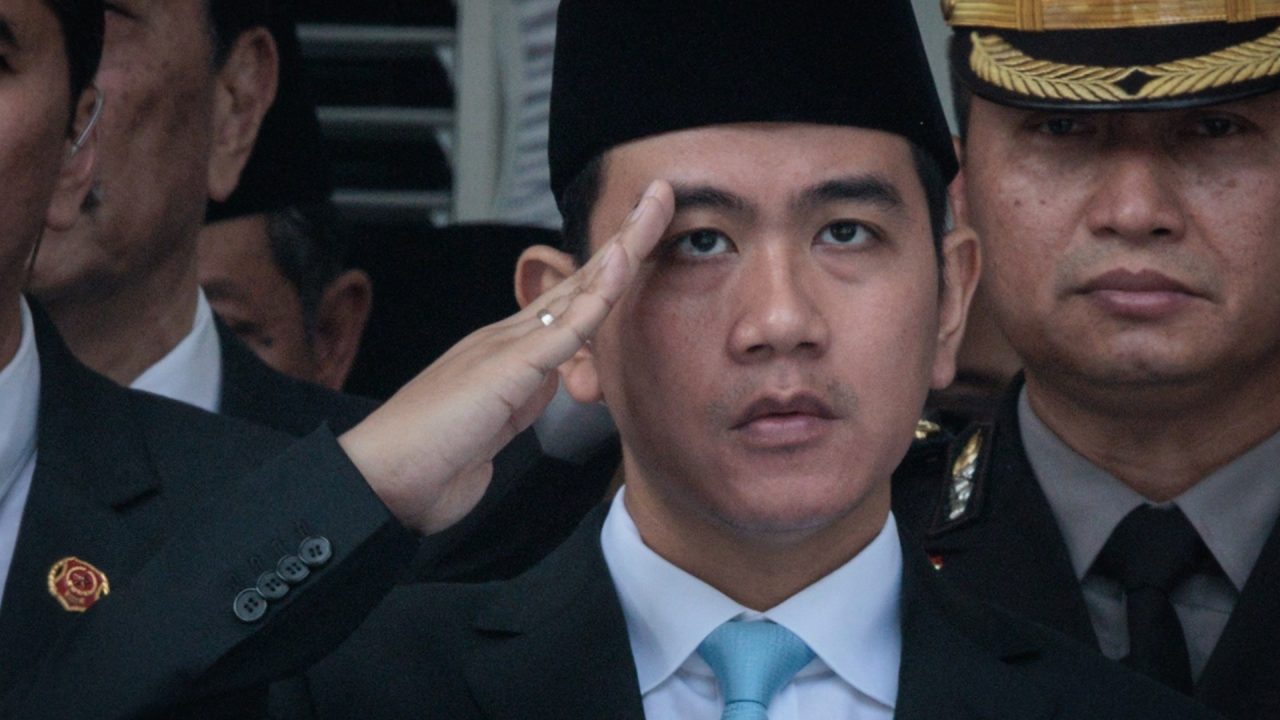
Indonesia’s Vice President, Gibran Rakabuming Raka, has formally resigned from office, according to the Speaker of the People’s Consultative Assembly. The decision came in the wake of a legal battle regarding his academic credentials, which intensified scrutiny of a government already grappling with public dissatisfaction over economic conditions, corruption, and severe wildfires.
Raka submitted his resignation to President Prabowo Subianto and parliament on Thursday. Raka, 39, is the eldest son of former President Joko Widodo, who served as Prabowo’s immediate predecessor. He stepped down after serving two years of a five-year term, following recent court rulings that questioned his eligibility.
Last month, both the Constitutional Court and the Supreme Court determined that the documentation Raka provided concerning his overseas education did not satisfy statutory election requirements. Critics alleged that he had never obtained a high school diploma. On Wednesday, a petition signed by 120 lawmakers from eight political parties was submitted to House leaders, initiating a parliamentary procedure that could potentially lead to impeachment proceedings. Under Indonesian law, House leaders are required to form a special committee to investigate whether Raka’s tenure constituted a constitutional violation; if sufficient evidence is found, the House must petition the Constitutional Court for a final ruling.
Raka first proposed his resignation on Tuesday during a meeting with the President, stating his intent to prevent prolonged political controversy. However, a cabinet minister indicated that President Subianto had initially urged Raka to defend himself, leaving it uncertain whether the resignation had been accepted until Thursday’s formal submission. Under the constitution, a vice-presidential vacancy does not trigger a new election. Instead, the office remains vacant until the People’s Consultative Assembly selects a replacement from two candidates nominated by the President within a 60-day window.
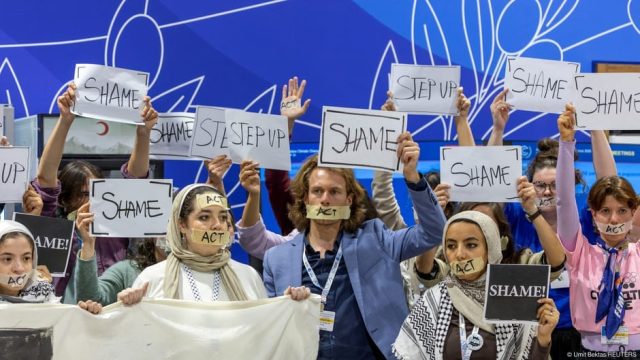
The vice-presidential role carries limited constitutional authority, primarily involving representing the President at official functions and assuming power in cases of incapacity. Raka’s departure occurs against a backdrop of significant social unrest, with thousands of protesters taking to the streets in recent weeks to demand action on economic hardship, perceived authoritarianism, and the government’s response to months of toxic haze from wildfires that have caused widespread illness. Additionally, authorities are investigating allegations that senior police officials engaged in wiretapping targeting the President, a matter reportedly distinct from the academic credentials dispute.

The protests over the wildfires are the real crisis here. This resignation is just noise on top of noise.