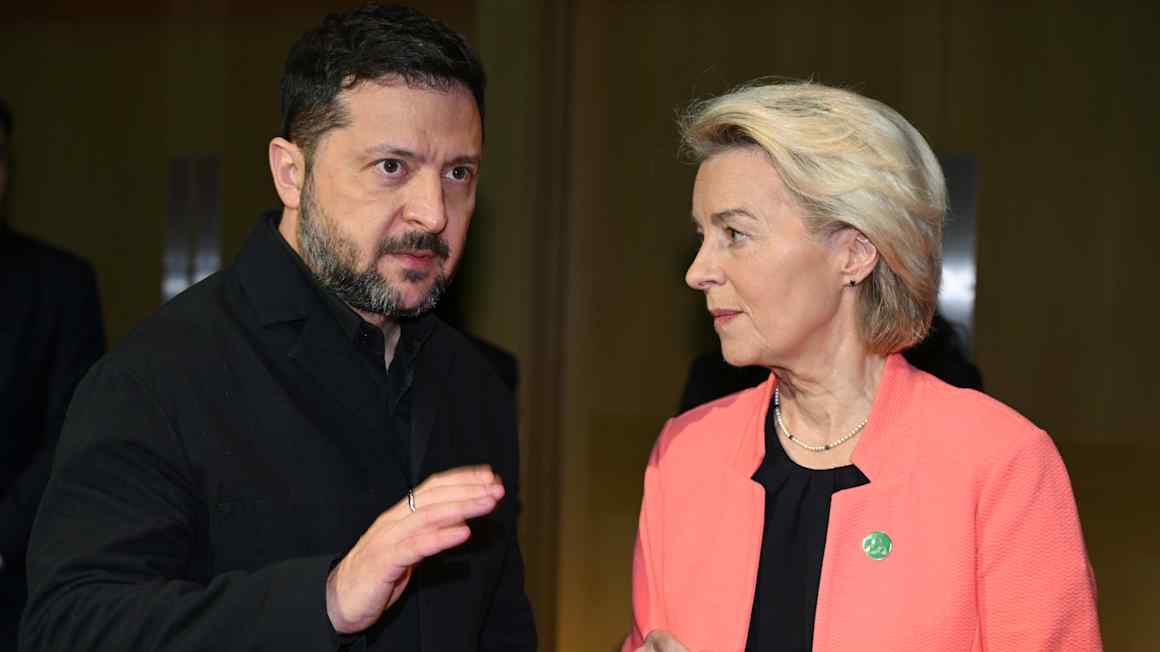
European leaders have collectively rebuffed Russian efforts to fundamentally alter the security landscape of the continent, asserting their autonomy in determining defense and safety protocols. The diplomatic friction highlights a persistent disagreement over the future strategic alignment of European states.
Moscow’s proposals for a revised security architecture were met with resistance from key European capitals, which insist on retaining control over their sovereign security decisions. The refusal signals a strong commitment to established transatlantic and intra-European security mechanisms, pushing back against Moscow’s desire to have a say in the continent’s defensive posture.
This standoff underscores the ongoing geopolitical tensions between Russia and the European bloc, where the latter is prioritizing internal unity and independent strategic planning over accommodating Russian demands for a new security order.
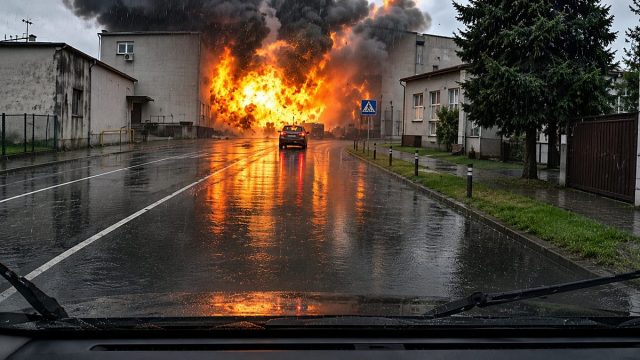


Finally, they stopped pretending that Moscow’s demands for a new order were reasonable at all.