
The United Nations warned that more than one million people in Lebanon, representing nearly a quarter of the country’s population, are currently facing acute food shortages. The warning, issued in a joint statement by the UN Food and Agriculture Organization, the World Food Programme (WFP), and Lebanon’s Ministry of Agriculture, cites two consecutive conflicts in under two years and a severe economic downturn as primary drivers of the crisis.
The agencies projected that the number of individuals facing acute food insecurity will rise to 1.15 million by the middle of next year. The joint statement highlighted the compounding pressure on households, noting that employment opportunities remain limited, savings have been depleted, and debt levels are high. “The cost of food, fuel, and other essentials continues to strain household budgets,” the statement said. Allison Oman Lawi, the WFP representative and country director in Lebanon, added that while some families can still manage by cutting expenses or borrowing, many have exhausted these coping mechanisms. “When families have nothing left to fall back on, even a small additional shock can push them deeper into crisis,” Lawi said.
Lebanese Agriculture Minister Nizar Hani responded to the findings by calling for a “coordinated national response” that addresses immediate food needs while protecting livelihoods and restoring the country’s productive capacity. Authorities in Lebanon estimate that the cost of two wars fought against the Lebanese armed group Hezbollah since October 2023 amounts to approximately $27 billion.
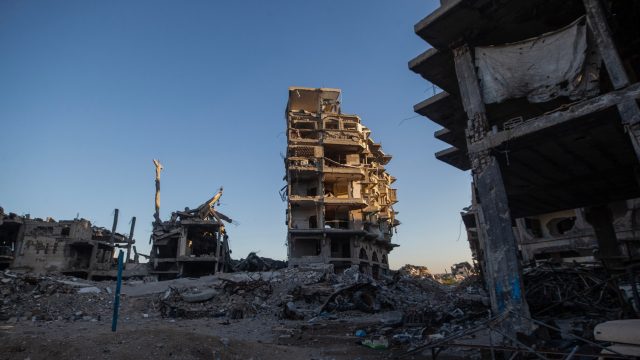
The most recent conflict, which began in March, displaced more than one million people within Lebanon. Although the number of displaced persons has since dropped to around 300,000 following the cessation of violence in June, Israeli forces continue to occupy territory in Lebanon. This occupation persists despite a framework deal brokered by the United States, which was signed in June to end the fighting. The agreement mandated the withdrawal of Israeli troops and the disarmament of Hezbollah, with the Lebanese army tasked with securing vacated areas. Lebanon’s government is also in the midst of its worst-ever economic crisis, which began in 2019, and is currently negotiating a bailout with the International Monetary Fund while working to implement required economic reforms.
A billion dollar bailout means nothing if you cannot buy basic groceries.
The UN numbers seem high, but I have seen empty shelves everywhere lately.
We are still dealing with the fallout from the latest conflict displacing hundreds.
How can anyone maintain food security when the national currency is collapsing like that?
It is heartbreaking to see two consecutive wars devastate livelihoods this much.