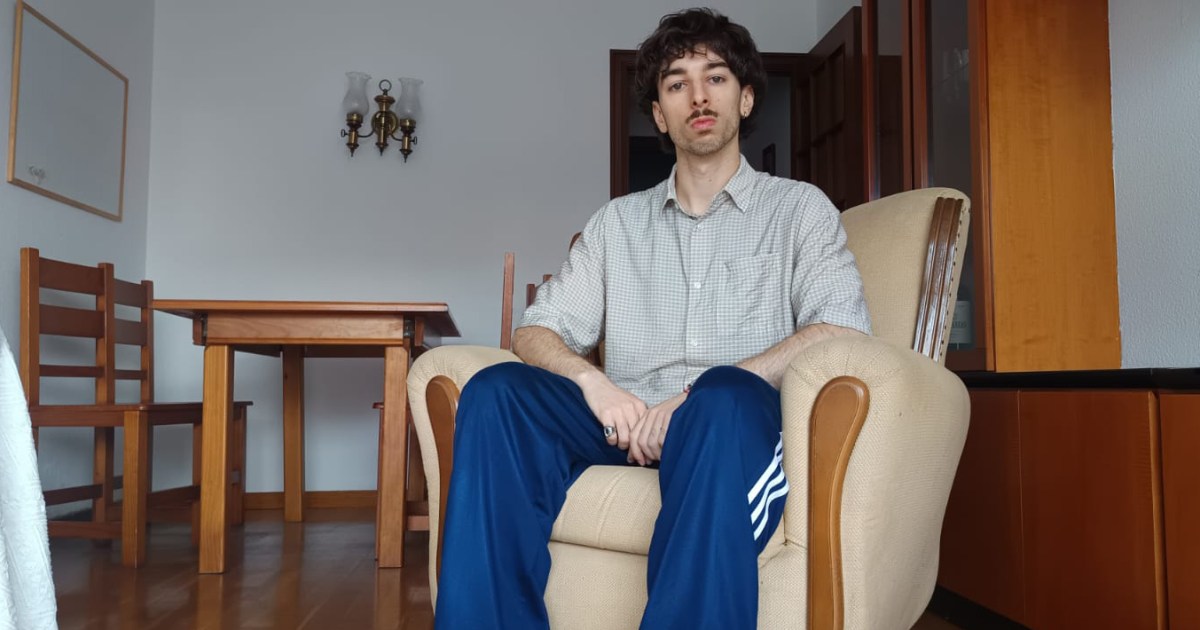
Tens of thousands of demonstrators in Spain have taken to the streets in recent weeks to protest the country’s severe housing crisis. On Wednesday, workers joined a nationwide strike called by the nation’s largest unions under the slogan “Salarios, vivienda y precios,” which translates to “wages, housing, and prices.”
Public outrage intensified following the forced eviction of 87-year-old Maricarmen Abascal from her Madrid apartment, where she had resided for seven decades. Her corporate landlord had increased the rent beyond her financial capacity. Abascal died in a hospital just one day after the property owners agreed to allow her back into her home.
In response to the vulnerability of renters, the government introduced two emergency decrees to parliament, but the measures were blocked by right-wing parties. Consequently, the left-wing coalition government, led by Socialist Prime Minister Pedro Sanchez, has called a snap election for November 29. Sanchez aims to leverage public anger over housing to counter polls showing him trailing behind the conservative People’s Party and the far-right Vox party.
According to the Bank of Spain, the country currently faces a shortage of 750,000 homes, a figure that could escalate to one million by next year. Al Jazeera interviewed several protesters who shared their personal struggles with high costs and insecurity in the rental market.
Haris Javaid Sharif, a 24-year-old data analyst in Barcelona, continues to live with his parents and siblings in a 44-square-metre apartment because independent renting is prohibitively expensive. His family pays $745 per month for their home, with Sharif covering half. He noted that average rents for a three-bedroom unit in the city range from $954 to $1,684. Sharif recalled being evicted during the pandemic after being unable to pay five months’ rent, which he says has made him realize that housing insecurity can affect anyone.
Bea Garcia de la Torre, 32, who works for a foundation in Madrid, shares a 70-square-metre flat with her brother. They pay $1,229 per month in rent. Despite earning $2,400 a month, Garcia de la Torre expressed worry that their landlord might attempt to charge them for central heating or evict them. She joined the strike to push for housing policy changes, comparing the effort to the historical fight for an eight-hour workday.
Iratxe Gonzalez, a 27-year-old social worker in Madrid, earns $1,200 per month and pays $400 for her share of rent in a 45-square-metre apartment. She noted that her short-term, one-year contract offers little security, leaving her vulnerable to rent increases or eviction. Similarly, Ignacio Redrado, a 32-year-old teacher, stated that the average age for leaving one’s parents’ home in Spain is now 30. Redrado and four roommates share a 60-square-metre flat for a total rent of $1,067, and he advocates for indefinite rental contracts and expanded social housing.
Arturo Leon, a 24-year-old NGO worker in Barcelona, shared that he and four others live in a small apartment where his bedroom is only two metres by 2.6 metres. Leon, who pays $506 per month, reported that the landlord refuses to repair broken items in the unit despite the lack of a formal contract, while also threatening to raise the rent. These testimonies underscore the widespread frustration driving the current wave of protests.

750,000 homes missing? That’s a massive gap. Spain’s construction sector needs to step up immediately.
Right-wing blocking emergency decrees while people suffer is honestly infuriating. Basic housing needs aren’t partisan issues.
Do you think the snap election will actually change anything, or just give Sanchez a brief political boost?
It’s sad that even data analysts have to live with parents in their mid-twenties due to high rents.
The lack of security for renters is terrifying. Short-term contracts make life feel like a permanent waiting room.