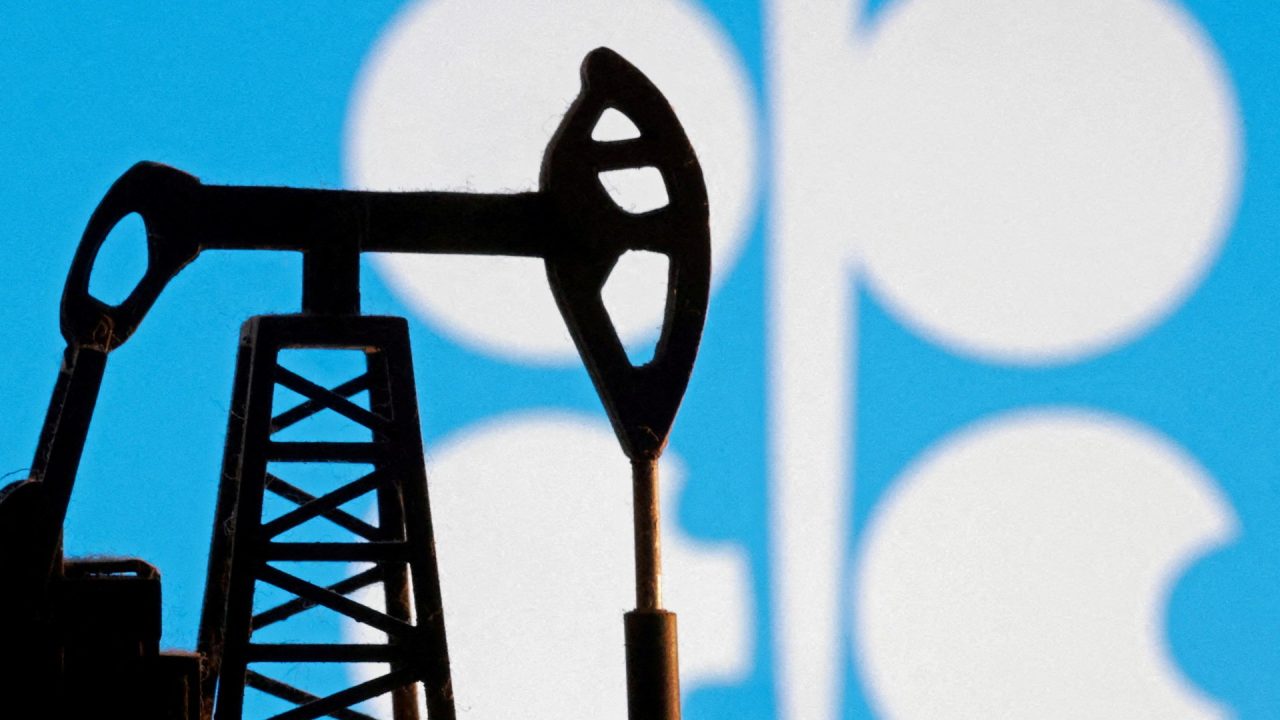
Global oil production has approached its pre-Iran war levels, with OPEC+ output reaching 41.23 million barrels per day (bpd) in October, according to a report released Wednesday. This figure marks an increase of approximately 2.04 million bpd from September and stands at 97% of the 42.72 million bpd produced in February, just before the conflict disrupted supplies.
Saudi Arabia, the organization’s largest member, reported pumping 10.563 million bpd in October, a rise of over two million bpd from the previous month. This represents the highest production level since late February, when United States and Israeli military operations against Iran initially disrupted the global energy market. Russian output also contributed to the group’s increase, following President Donald Trump’s decision to lift sanctions on Russian energy sectors and announce an “energy ceasefire” with Ukraine in mid-October.
Energy analysts suggest that the surge in supply may alleviate inflationary pressures. Umud Shokri, an energy strategist at George Mason University, noted that increased global oil availability generally exerts downward pressure on prices, potentially reducing costs for gasoline and transportation in the United States. Indeed, U.S. gasoline prices recently dipped below $4 per gallon for the first time in months.
The report highlighted that Gulf producers are utilizing alternative routes, such as the Saudi East-West Pipeline to the Red Sea port of Yanbu and the UAE’s pipeline to Fujairah, to bypass disruptions in the Strait of Hormuz. However, concerns remain as Houthi rebels in Yemen continue to target the Saudi pipeline. The OPEC report indicated that while major economies like Japan saw a sharp drop in crude imports due to trade flow disruptions, the United States and other producers have largely regained their supply positions.
Looking ahead, OPEC maintained its forecasts for global oil demand growth, expecting an average of 108.3 million bpd by next year. The organization also predicted an economic rebound in the Middle East for 2027, supported by robust domestic demand and a resilient non-oil sector.


Great for inflation, but I worry about the long term. Are we just delaying the inevitable?
Trump lifting Russian sanctions was a bold move. No one expected that to change the oil math so fast.
Did anyone else notice the Houthi threats? That pipeline vulnerability still worries me a lot honestly.
I am skeptical these prices will stay down. Markets usually panic over any tiny supply disruption.
Finally seeing gas prices drop under four dollars. Hope this lasts for a few months at least.