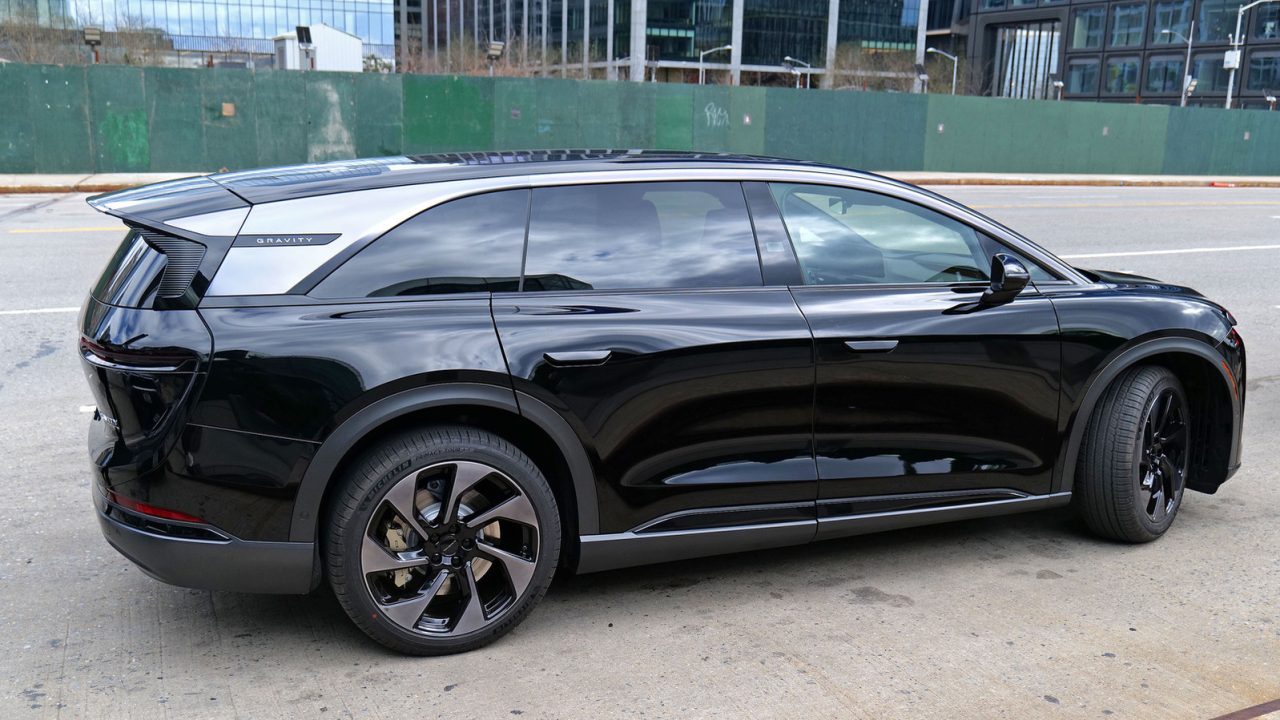
Lucid Motors, the California-based electric vehicle manufacturer and rival to Tesla, has revealed that significant gaps in its logistics system led to lost sales during the third quarter. In an earnings call, CEO Silvio Napoli acknowledged that the company experienced severe inventory control issues, stating that on some occasions, “we did not even know where cars were.” These operational disruptions resulted in delivery delays of up to two weeks, which drove away potential buyers who were unwilling to wait for their vehicles.
The financial impact of these logistical challenges was evident in Lucid’s quarterly figures. The company built 2,954 vehicles and delivered 3,806 units in the period, marking a seven percent decline in deliveries compared to the same quarter in the previous year. Although producing fewer cars than it sold helped reduce inventory levels, Lucid still carried $1.22 billion in inventory value as of the end of September.
Analysts have drawn parallels to Tesla’s early production ramp-up struggles, where the company had to implement drastic measures, such as building proprietary car carriers and acquiring trucking firms, to resolve supply chain bottlenecks. Napoli suggested that Lucid’s recent fixes to its shipping processes will yield similar benefits, enabling the commercial team to offer customers delivery dates for vehicles they know are immediately available.
Despite these operational hurdles, Lucid maintains a positive outlook for the remainder of 2026, driven by a growing U.S. electric vehicle market spurred by high fuel prices and a recent partnership with robotaxi company Bolt. However, the automaker faces other significant challenges beyond logistics, including ongoing quality control concerns and complaints regarding customer service. Additionally, Lucid reported a net loss of $831 million on revenue of $350 million, indicating that the cost of manufacturing each vehicle currently exceeds its selling price.
Despite the substantial losses, the company continues to receive strong financial backing from its primary investor, the Saudi Public Investment Fund, which recently injected an additional $1.75 billion into Lucid Group.


If they struggle with logistics, how are they handling quality control? I worry about long-term reliability issues.
We did not even know where the cars were. That is basically a ransom note in corporate speak.
Saudi PIF keeping them afloat is scary. Infinite money masks operational failures until it suddenly snaps.
The robotaxi partnership with Bolt is interesting, but fixing basic logistics should be the absolute priority first.
Two-week delays for an EV? In this market, buyers just drive to the dealership and pick a different brand.
Reminds me of Tesla’s production hell in 2018. Hopefully Lucid learns faster than they did.
Losing 831 million dollars while selling more cars than they build? The unit economics look totally broken here.
It is wild that a major car company cannot track its own inventory. Feels like a very expensive lesson.