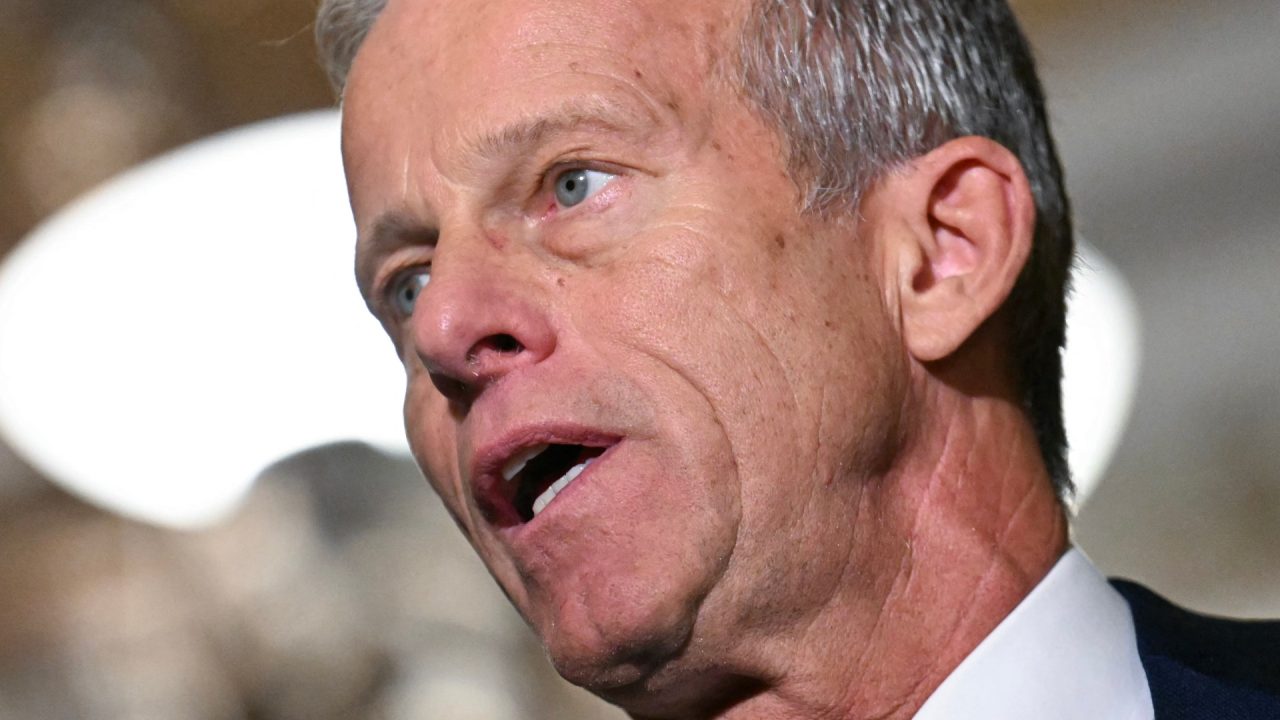
John Thune, the senior senator from South Dakota, was re-elected as the leader of the Republican conference in the US Senate on Tuesday. The vote, held during a closed-door session at the Capitol, occurred as Republicans prepare to cede control of the chamber following their performance in last week’s midterm elections.
Thune ran unopposed for the position, a stark contrast to the contest two years ago when he faced colleagues to succeed Mitch McConnell. Although some Republican senators, including Josh Hawley and Ron Johnson, advocated for delaying the leadership vote to allow for a period of reflection on the party’s electoral strategy, Thune retained his role with the support of his peers. Thune stated that he valued the transparent dialogue with his colleagues and expressed gratitude for their continued trust in the 120th Congress.
Critics within the party argued that ratifying the existing leadership structure so quickly failed to send the right message. Senator Hawley noted the need to “think through” the consequences of the recent election results, while Senator Johnson described the conference’s need for “real soul searching,” questioning why no other candidates emerged to challenge Thune.
Despite the defeat of at least seven Republican candidates in the midterm races—with outcomes in Alaska and Mississippi still pending—Thune’s tenure is credited by supporters for adopting a more consultative approach than his predecessor. Senator Jim Lankford of Oklahoma highlighted the broad support for Thune among Senate Republicans, acknowledging the difficulty of the leadership role. While some conservative groups attributed the party’s losses to Thune’s support for the SAVE America Act, which proposed proof-of-citizenship voting requirements, Thune maintained that the election outcome was driven by a combination of factors, primarily the rising cost of living for Americans.
In the coming two years, the new Democratic-controlled Congress will present legislative challenges for Thune. He will need to collaborate with the White House, which aims to pursue its agenda despite political headwinds, and negotiate with Democrats to pass any bills. Thune emphasized his commitment to conservative priorities and stated that his team remains united in their work with President Donald Trump and the House Republicans. In the House chamber, Jim Jordan was elected as the Republican minority leader, marking his entry into senior party leadership.
Thune has been decent at his job. They just had a bad election cycle overall, not his fault.
Surprised it was unopposed after such big losses. I think the party really needs a fresh perspective.