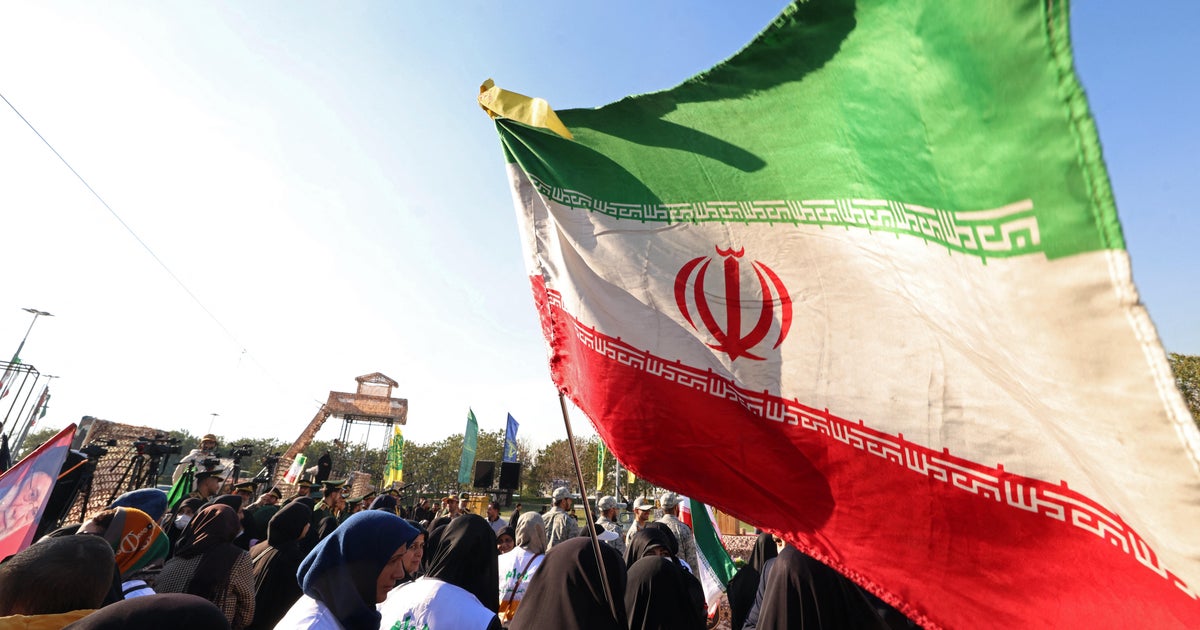
Iranian officials have firmly rejected demands to remove enriched nuclear material, casting a shadow over ongoing diplomatic efforts to end the conflict with the United States. Mohsen Rezaei, Secretary of the Supreme National Security Council, stated on Wednesday that Tehran would not allow “even a single particle” of its enriched nuclear material to be removed from the country. This stance directly contradicts the administration of President Donald Trump, which has argued that the war was necessary to prevent the Islamic Republic from obtaining a nuclear weapon—a capability Iran has consistently denied pursuing.
Despite the hostilities, the U.S. continues to push for a peace agreement that includes Iran surrendering its stockpile of highly enriched uranium and accepting limits on its nuclear program. Defense Secretary Pete Hegseth reiterated the White House position on Tuesday, asserting that Iranian leaders “will never ever have a nuclear weapon.” However, Tehran has refused to make nuclear negotiations a precondition for an initial ceasefire, insisting that such discussions should only occur after fighting is formally halted on all fronts, including in Lebanon.
The economic impact of the conflict is becoming increasingly apparent. Allianz Trade released a report on Wednesday estimating that the war will cost Persian Gulf nations more than $200 billion in physical damages. The insurer projected that total economic losses could reach nearly $790 billion by 2030, representing a cumulative gap of 5.9 percent of the region’s GDP relative to pre-war trends. More than 80 energy facilities, primarily in Kuwait, Qatar, and Bahrain, have been hit, with one-third severely damaged.
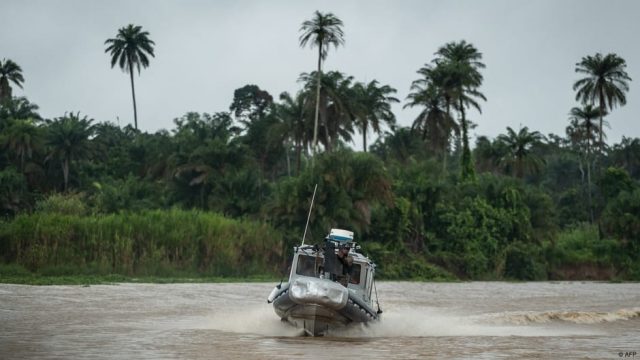
Tensions also remain high in the Strait of Hormuz. The Islamic Revolutionary Guard Corps (IRGC) claimed that two additional oil tankers struck sea mines and caught fire in the waterway on Wednesday. The IRGC stated that the vessels were attempting to leave via an unauthorized route under the protection of U.S. fighter jets. These incidents follow recent attacks on commercial vessels, with the U.S. military also reporting strikes on tankers it accused of violating its blockade of Iranian ports.
In a related development, Iranian Foreign Minister Abbas Araghchi mocked France following allegations of a cyberattack. After French authorities accused Iran of hacking grocery store refrigerators in October, Araghchi wrote on X that the French government was “unable to manage fridges” and was shifting blame for its own failures. Iran officially denied any involvement in the incident, which reportedly caused significant food spoilage and fires across approximately 700 supermarkets.

The Strait of Hormuz blockade is the real threat to global supply chains, honestly.
We need actual talks on the ground, not just statements from security councils.
The fridge incident is so bizarre it sounds like a satire piece, not real news.
Trump’s claim that war was necessary to prevent nukes feels like a post-hoc justification now.
Eighty damaged energy facilities is catastrophic. Rebuilding Kuwait’s infrastructure will take years.
Who actually benefits from this prolonged conflict? The arms dealers seem to be the winners.
Sea mines hitting tankers near Hormuz means oil prices will skyrocket again tomorrow, sadly.
Removing uranium without a ceasefire first? Iran’s position makes logical sense diplomatically, I think.
France blaming Iran for fridge hacks is absolutely hilarious. Poor management, no doubt about it.
790 billion by 2030? The Gulf economies are going to suffer for decades from this mess.