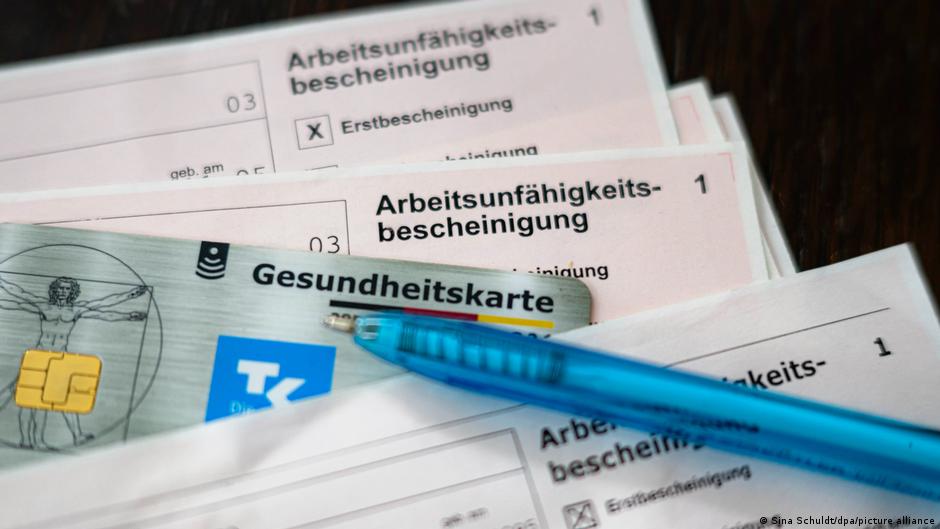
German workers between the ages of 60 and 65 have taken an average of 31.3 days of sick leave annually, according to data released by the Federal Ministry of Health in 2024. The figures were disclosed in response to a parliamentary inquiry submitted by the Left party, highlighting a significant disparity compared to the national average of 15 sick days per year for all workers, as reported by the Federal Office of Statistics (Destatis).
The proportion of employees in this age bracket taking extended sick leave of a year or more has also risen, increasing from approximately 80,300 individuals in 2022 to 96,100 in 2024. Sarah Vollath, spokesperson for the Left party, described the data as a “clear warning sign” that the current workforce cannot sustain indefinite employment. She criticized the administration of Chancellor Friedrich Merz, arguing that plans to raise the standard retirement age to 67 ignore the practical health realities faced by older workers.
The controversy over pension and labor reforms coincides with other economic indicators released this week. Destatis reported that year-on-year inflation for October fell to 2.8%, down from 3.3% in September, driven primarily by a government fuel subsidy introduced earlier in the month to offset high gas and diesel prices.



Fuel subsidies helping inflation doesn’t fix labor shortages. We need actual structural changes, not just tweaks.
Nine thousand more people on long-term sick leave is alarming. What kind of support system do we have?
Funny how they ignore the fact that many younger workers skip work to avoid commuting in bad weather.
Left party politics aside, older workers have less energy. A one-size-fits-all retirement age is outdated nonsense.
Surprised by the number. I know several colleagues who just keep coming in despite feeling under the weather.
If inflation is dropping due to subsidies, why raise the retirement age? Inconsistent policy decisions everywhere.
Do they actually call it in or are they staying home with minor ailments? Data interpretation matters here.
I work in healthcare. Thirty-one days is realistic for back pain. The government needs to listen.