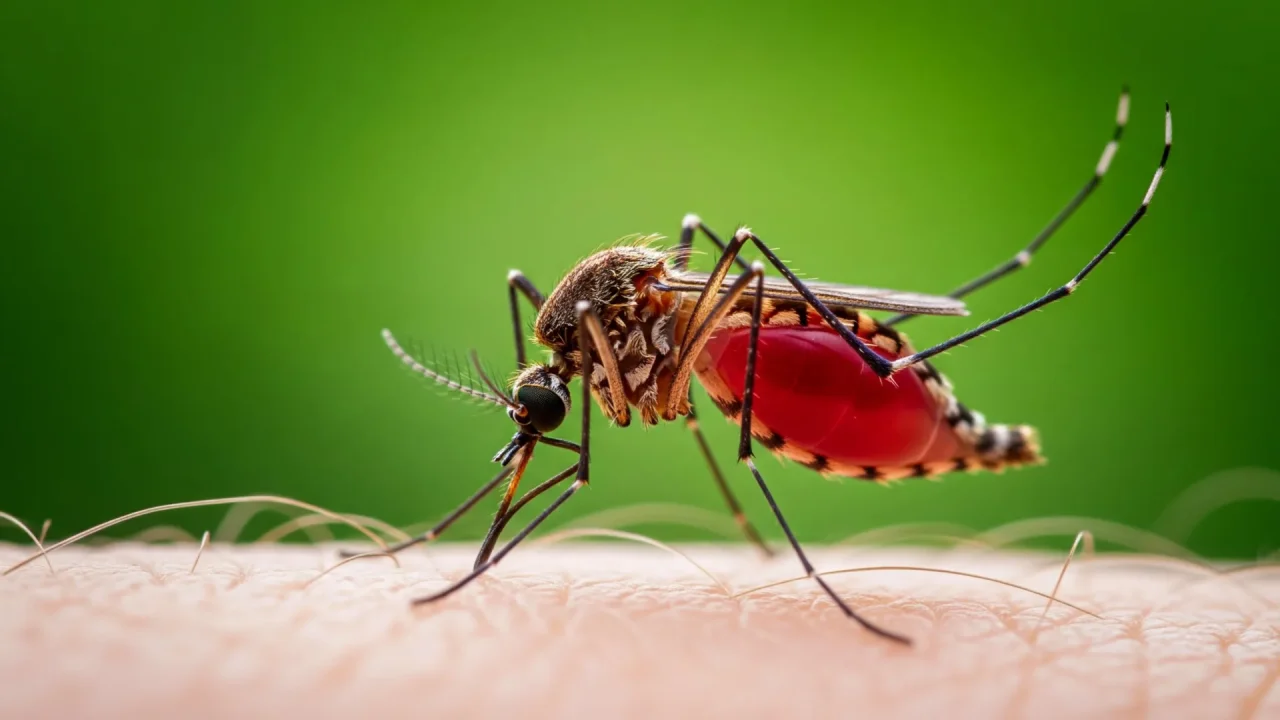
Researchers at Florida International University (FIU) have identified that susceptibility to mosquito bites varies significantly depending on the specific species involved. A new study published in the journal iScience demonstrates that individual body chemistry and skin odors determine which humans are most attractive to particular mosquito types, rather than a single universal factor drawing them in.
The study, led by Ph.D. student Kaylee Marrero and neurogeneticist Matthew DeGennaro, tested how three major disease-carrying species—Aedes aegypti, Aedes albopictus (the Asian tiger mosquito), and Culex quinquefasciatus (the southern house mosquito)—reacted to 119 human volunteers. The findings revealed that no participant attracted all three species; instead, each group of mosquitoes favored a distinct subset of people based on their unique chemical and microbial signatures.
According to the research, Aedes aegypti preferred individuals wearing fewer fragrances and having lower levels of certain volatile compounds, often showing a slight preference for men. In contrast, the Asian tiger mosquito was attracted to people whose skin released higher levels of ketones and plant-like volatiles. The southern house mosquito, which typically feeds at night, proved most sensitive to the skin microbiome, with specific bacterial families influencing its biting behavior.
DeGennaro, who directs FIU’s Biomolecular Sciences Institute, noted that the discovery highlights how each mosquito species evolved to decode specific aspects of the human odor signature, which consists of over 1,000 volatile organic compounds. The team collected samples of participants’ body odors and skin microbiomes to analyze which specific compounds and microorganisms correlated with increased mosquito attraction.
The findings have significant implications for public health and disease prevention. By understanding the precise chemical triggers for different mosquito species, scientists hope to develop next-generation, species-specific repellents. This targeted approach could allow communities to focus on the particular mosquito strains responsible for spreading diseases such as dengue, Zika, yellow fever, and West Nile virus in their region.



Interesting. My dermatologist told me my gut health affects my skin, so maybe this science makes sense.
I find it hard to believe they tested 119 people on such a short timeline. How was that controlled?
Wait, so I can just buy a different spray based on the local mosquito species? That is helpful.
No wonder I get bitten more than my wife. It is all about our different skin chemistry.