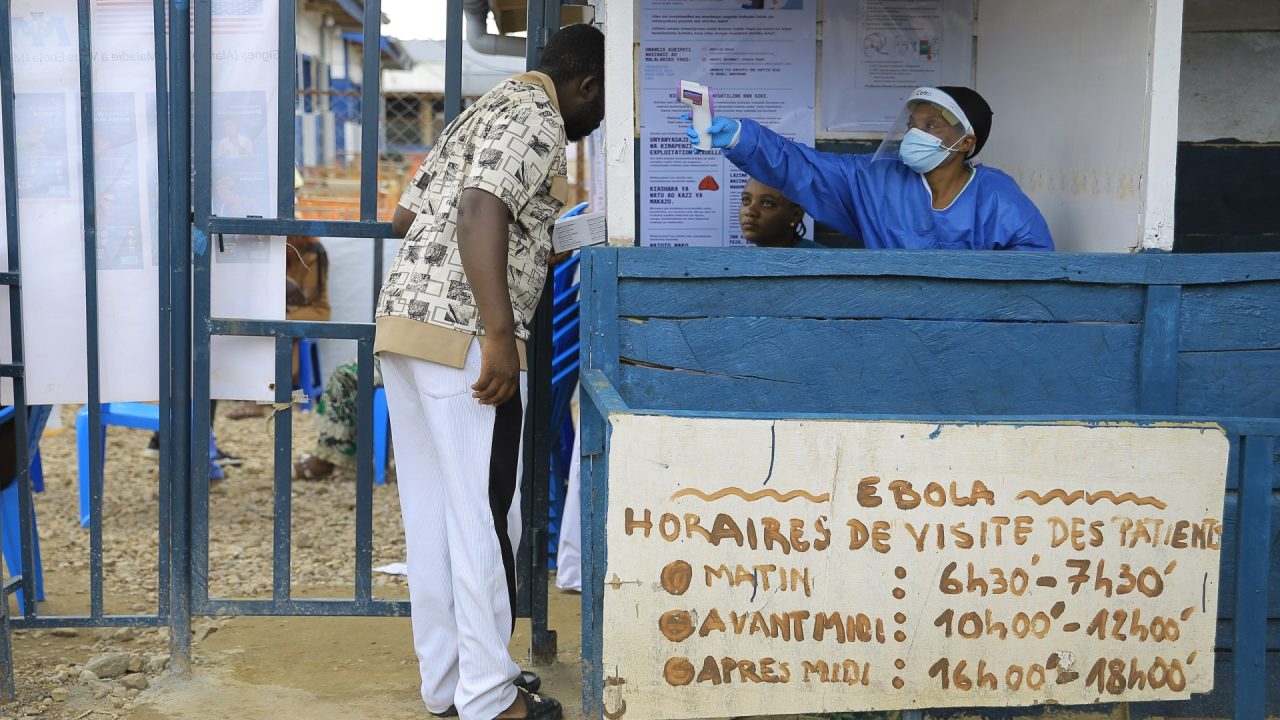
Government data indicates that the confirmed number of Ebola cases in the Democratic Republic of the Congo (DRC) has reached 11,042, resulting in at least 5,387 fatalities. These figures, released on Tuesday, highlight the ongoing challenge faced by health authorities as they attempt to contain what is now the second-largest and second-deadliest Ebola outbreak in history.
The current outbreak is driven by the rare Bundibugyo strain of the Ebola virus. While it follows the 2014-2016 West African epidemic—which infected over 28,600 people and killed more than 11,000—in terms of scale and mortality, the DRC crisis has spread more rapidly due to delayed detection, active conflict, and strained healthcare systems. To date, eight of the country’s 26 provinces have been affected, with many deaths occurring outside of treatment facilities.
Containment efforts are significantly hindered by the lack of a specific vaccine or treatment developed for the Bundibugyo strain, which has a mortality rate of approximately 50 percent among infected individuals. In a recent development, the World Health Organization approved clinical trials for two new Ebola vaccines earlier this month, with results expected in early 2027. The outbreak is also notable for its geographic reach, with cases reported across East, Central, and West Africa, marking the widest spread of any Ebola outbreak on the continent to date.

Just thinking about the families affected. The human cost of this crisis is impossible to fully comprehend.
The 2014 outbreak was a wake-up call, but we barely learned. We are repeating the same mistakes.
Many deaths happen outside facilities. Basic medical infrastructure in these conflict zones is utterly failing the population.
It’s frustrating that we still rely on clinical trials when time is of the essence. More funding is needed.
Seeing it spread across three African regions is alarming. This isn’t just a DRC problem anymore, it’s continental.
The Bundibugyo strain is rare but deadly. It highlights how little preparedness we still have for new viruses.
Why was detection delayed? In today’s world, we should have caught this much earlier and stopped the spread.
Fifty percent mortality is terrifying. I hope those new vaccine trials show promise soon before it gets worse.
Reading these numbers is heartbreaking. The conflict makes it so much harder for aid workers to reach people.