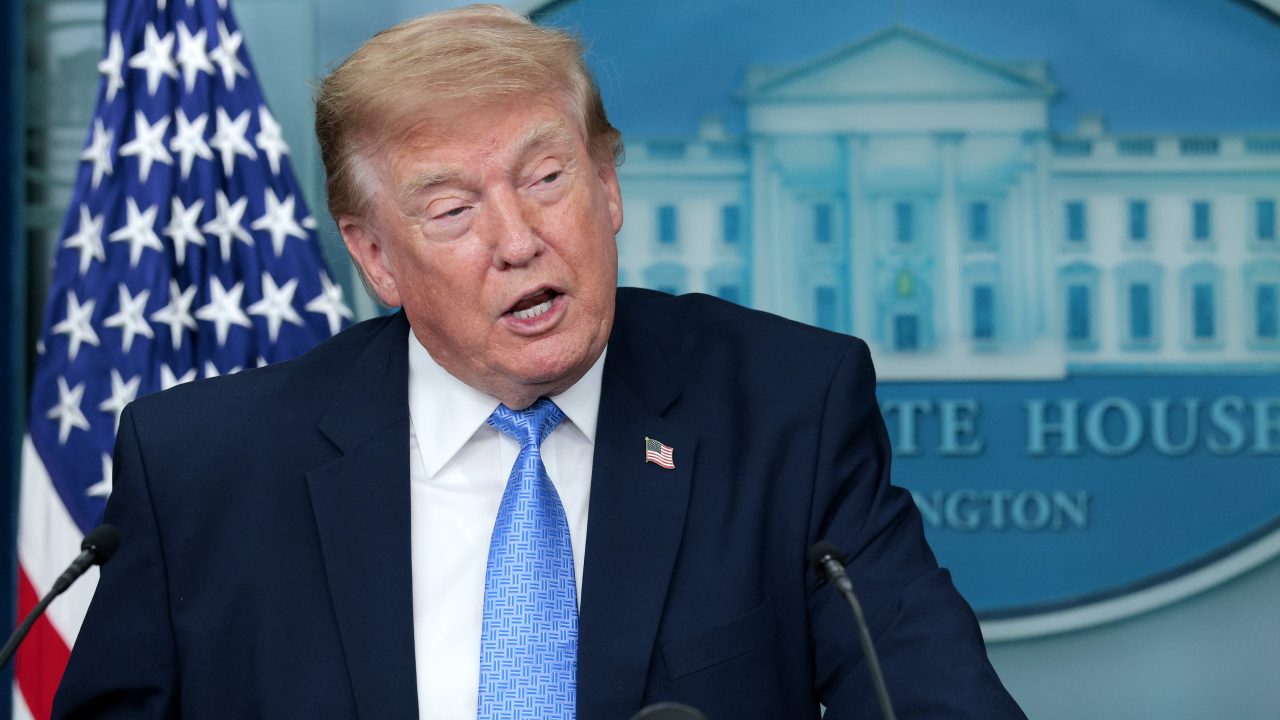
Following a decisive defeat for Republicans in the November 3 midterms, Democrats are preparing to intensify oversight of the federal government’s unprecedented involvement in the private sector. With control of the House and Senate set to shift to the opposition party in January, legislators plan to closely examine equity stakes and strategic partnerships forged during President Donald Trump’s second term.
During the past two years, the Trump administration has embedded the federal government into the affairs of private companies more extensively than at any previous time. According to a tracker maintained by the CATO Institute, the number of entities in which the government established an equity position rose from 14 in January to 41 by November. These holdings include both publicly traded and privately held firms, encompassing deals that are closed and others still under negotiation.
Notable interventions include a 10% stake in chipmaker Intel and a “golden share” in U.S. Steel, negotiated as part of the acquisition by Nippon Steel. The golden share grants the president veto power over key business decisions, such as employee salaries and capital investment. However, the company’s amended charter specifies that this veto power transfers to the Treasury and Commerce Departments after Trump leaves office, rather than to his successor.
Additionally, the administration secured a $400 million stock deal with rare-earths company MP Materials. Democratic lawmakers have already begun pressing for transparency, with several sending inquiries to law firm Skadden Arps regarding its role in the Intel deal. The new Congressional leadership intends to expand these probes to other major tech companies, including Apple, Meta Platforms, and firms associated with Elon Musk, as well as various critical-minerals agreements.
Sarah Bauerle Danzman, an associate professor at Indiana University and senior fellow at the Atlantic Council, noted that Democrats may focus on accountability and anti-corruption rather than simply reversing the deals. “The story there is more about kind of tying these issues to ones of accountability and anti-corruption, as opposed to necessarily cost,” Danzman said. She added that the incoming Congress might attempt to ensure that government stakes serve genuine national security priorities rather than providing special favors to political connections.
White House spokesman Matthew Middleton defended the initiatives, stating, “Through voluntary equity investments in willing companies, the Trump Administration has partnered with the private sector to rebuild America’s industrial base and bring critical production back home.” Despite the change in leadership, some analysts suggest that Republicans, traditionally proponents of free markets, might find themselves uneasy about supporting these interventions, potentially leading to bipartisan efforts to clamp down on executive influence in corporate affairs.



Will they investigate the tech giants next? Apple and Meta are likely in the crosshairs soon.
Funny how the White House calls these voluntary partnerships. Sure, companies are willing when federal money is involved.
Intel stake is risky. Technology moves fast, and government interference usually slows down innovation considerably.
Danzman’s point about anti-corruption is key. This isn’t just economics, it’s about political favoritism.
Honestly, I just hope they focus on transparency. No one knows the exact terms of these investments.
The MP Materials deal is interesting. Did they actually secure rare earth supply chains or just hand out money?
What happens to these deals if the new Congress reverses them? Companies will face massive legal chaos.
41 equity stakes? The government shouldn’t be acting as a venture capitalist for private firms.
Republicans supporting this? They preached free markets for decades, yet now they see the problem?
Finally some accountability. The golden share in U.S. Steel was always a red flag for overreach.