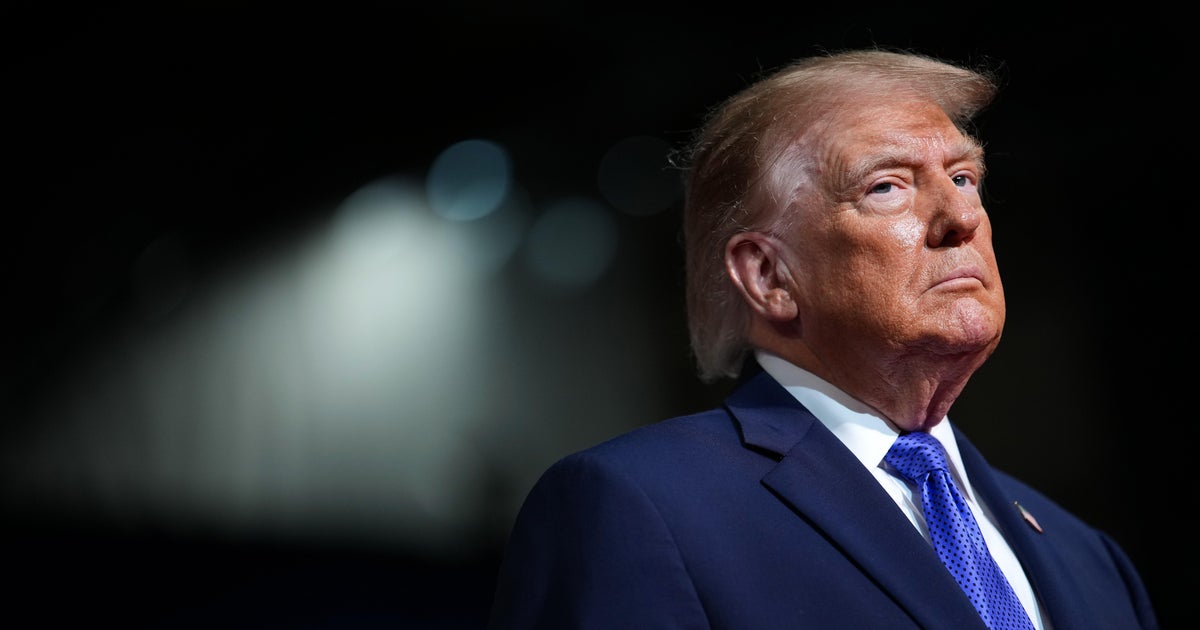
Washington — President Donald Trump and the Republican party’s efforts to reshape the federal judiciary may hit a wall as Democrats prepare to take control of the Senate. Having successfully appointed over 230 federal judges, including three Supreme Court justices, during his first term, Trump has confirmed 57 judicial picks thus far in his second administration, resulting in his nominees accounting for roughly one-third of active federal judges.
Following the recent midterm elections, Democrats are expected to secure between 54 and 56 Senate seats, which will likely prevent the confirmation of many of the current president’s nominees for U.S. district and appeals courts. Ed Whelan, a former law clerk to Justice Antonin Scalia, stated that almost no one is likely to be confirmed under the new majority, leaving the outcome of Trump’s nomination efforts uncertain.
As of November 11, there are 28 current federal court vacancies, with 15 more seats expected to open in the coming months. The White House has formally submitted 16 nominees for these positions, and President Trump announced three additional candidates for district courts in Texas and South Carolina on Tuesday via Truth Social. The Republican-led Senate Judiciary Committee is accelerating its schedule to advance these picks before the chamber changes hands, voting to move four district court candidates forward and holding hearings for four others.
Senator Dick Durbin, the top Democrat on the Judiciary Committee, criticized the pace of the process, alleging that Republicans are violating longstanding standards in a desperate bid to confirm more than 30 loyalist judges. Durbin specifically raised concerns about nominees James Sullivan, who recently lost a bid for the Texas Supreme Court, and T. Elliot Gaiser, noting that their vetting information was received after the president announced their nominations. In response, Committee Chair Senator Chuck Grassley defended the accelerated timeline, arguing that committee chairs have discretion to set schedules and that shortening timelines is historically acceptable when circumstances warrant it.
Senate Majority Leader John Thune indicated that passing judicial nominees will be a priority during the lame-duck period. However, vacancies remaining unfilled by the end of the current Congress are likely to stay open for at least two years. Rachel Rossi of the Alliance for Justice noted that Democrats are focused on stopping what they view as the stacking of courts with individuals loyal to the president rather than the Constitution. This strategy mirrors the 2016 lame-duck session, where the GOP Senate blocked 20 of President Barack Obama’s nominees, including Supreme Court candidate Merrick Garland.
With the prospect of Democratic control, it is also unlikely that a Republican-appointed Supreme Court justice will retire in the final two years of Trump’s term, as a successor would face difficult confirmation odds. Justices Clarence Thomas and Samuel Alito are the two oldest members of the court, but Alito has publicly stated his intention to remain on the bench, suggesting that several years may pass before a Republican-led government is in place to fill any future Supreme Court vacancies.

This is bad for the rule of law. Empty courtrooms hurt citizens more than any political appointment does.
I doubt much will get done. The lame-duck session is usually slow, so those vacancies might just sit empty.
Wait, they just announced three more via Truth Social? The timing seems suspiciously last-minute and desperate.
Finally some balance! The judicial stacking was getting out of hand. Glad Democrats can finally say no.