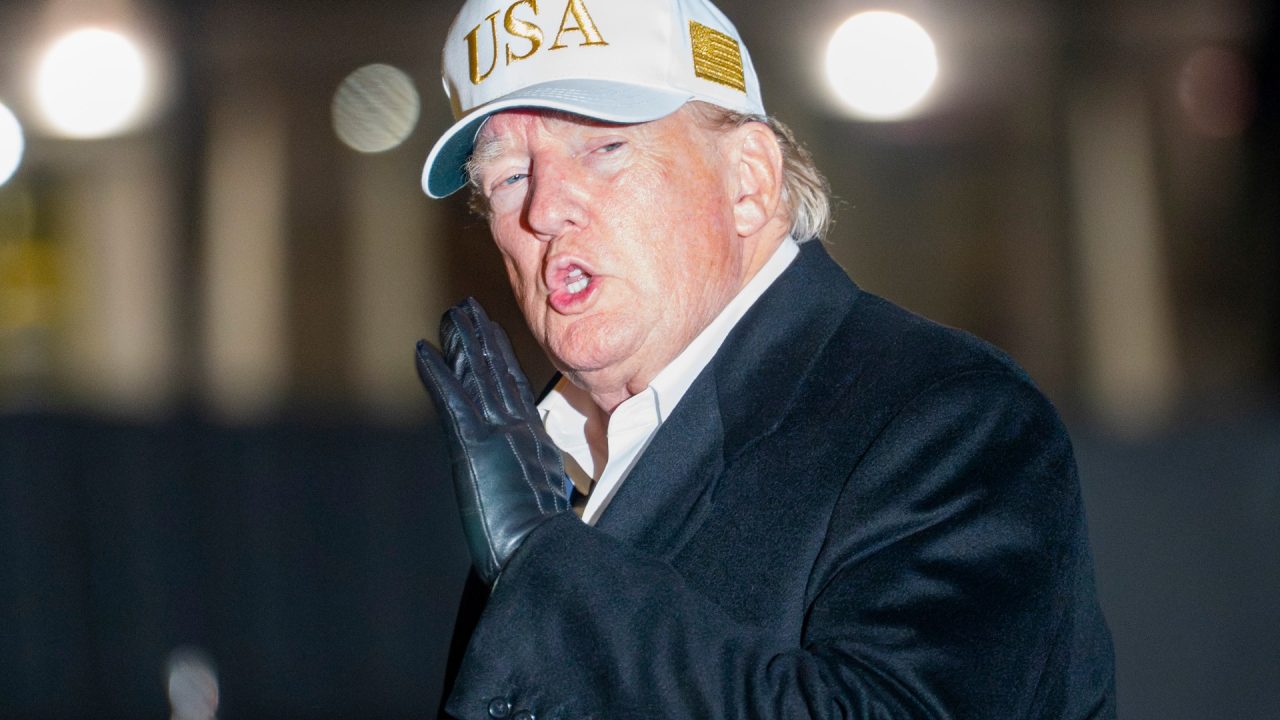
US President Donald Trump has stated that Washington intends to seek compensation from Israel and Gulf allies for the costs incurred during the recent military conflict with Iran. In an interview with CBS News correspondent Ross Douthat, which aired on Sunday, the president asserted that nations protected by the United States would reimburse ‘any and all costs’ associated with the war.
Trump emphasized the dependence of these states on American military intervention, claiming that without US support, countries like Israel ‘would not exist.’ This explicit demand for repayment from Israel marks a shift in rhetoric, following previous statements where Trump indicated that Gulf Cooperation Council members—including Saudi Arabia, the UAE, Qatar, Bahrain, and Kuwait—should be reimbursed for protecting the Strait of Hormuz. While Israel joined the US in launching the war, the Gulf states contended they were not informed of Washington’s plans and have since suffered significant damage from Iranian retaliatory strikes.
The push for reimbursement comes amid political pressure on Trump and the Republican Party following poor midterm election results, which the president attributed partly to public dissatisfaction with the Iran war. Although the administration has declared the conflict ‘effectively over’ militarily, the financial implications remain substantial. The US military reported the war cost $47.1 billion as of mid-October, a figure that excludes expenses for repairing damaged bases. The Congressional Budget Office estimated that each additional month of conflict would incur costs between $2 billion and $3 billion.
Experts question whether the US will formally pursue these payments. Neil Quilliam of Chatham House described Trump’s comments as political signaling intended for a domestic audience rather than a concrete policy proposal. Bader al-Saif of Kuwait University and Chatham House suggested that Gulf leaders are likely to interpret the demands with skepticism, noting that these states already contribute to regional security through defense cooperation and by funding the maintenance of US military bases in the region.
Analysts also noted that Trump may seek economic concessions from Israel, particularly after announcing the cessation of US aid to the country at the end of this year. Stefan Lukas, a security analyst, indicated that while direct compensation payments to Arab allies are unlikely, Trump could pressure them for increased commercial investment or purchases of US weapons systems. The president has a history of framing trade agreements and foreign investments as direct payments or gifts to the US, a characterization that experts argue is often misleading.
Marzieh Kouhi Esfahani of Durham University observed that it is unlikely Israel will accept a meaningful financial burden, given its status as a long-time recipient of US support and its current resource constraints. Meanwhile, Gulf states, which faced extensive financial losses and infrastructure damage from the conflict, are expected to respond to direct repayment demands with quiet resistance, emphasizing that their existing partnerships already offset significant security costs.
Who is paying for the damaged bases? We are. The taxpayer. Again.
They probably just want more weapons sales, not actual cash. It’s a business deal disguised as reparations.
Fourteen billion is nothing if it means regional stability. But the political spin makes me sick.
The Gulf countries were blindsided by the war. Asking them to pay is incredibly hypocritical.
Funny how he stops paying aid to Israel but asks them to reimburse our war bills.
Israel definitely won’t pay. They barely balance their own budget, let alone pay US war costs.
Can countries actually force a payment? Is this legally binding or just a threat to scare them?
It’s just a midterm play. He needs to blame someone for the bill, so he blames allies.
The Gulf states have been funding base maintenance for decades. This demand ignores the actual security arrangement.
Calling Israel’s existence a leverage point for money is wild. Never heard anything so politically charged.