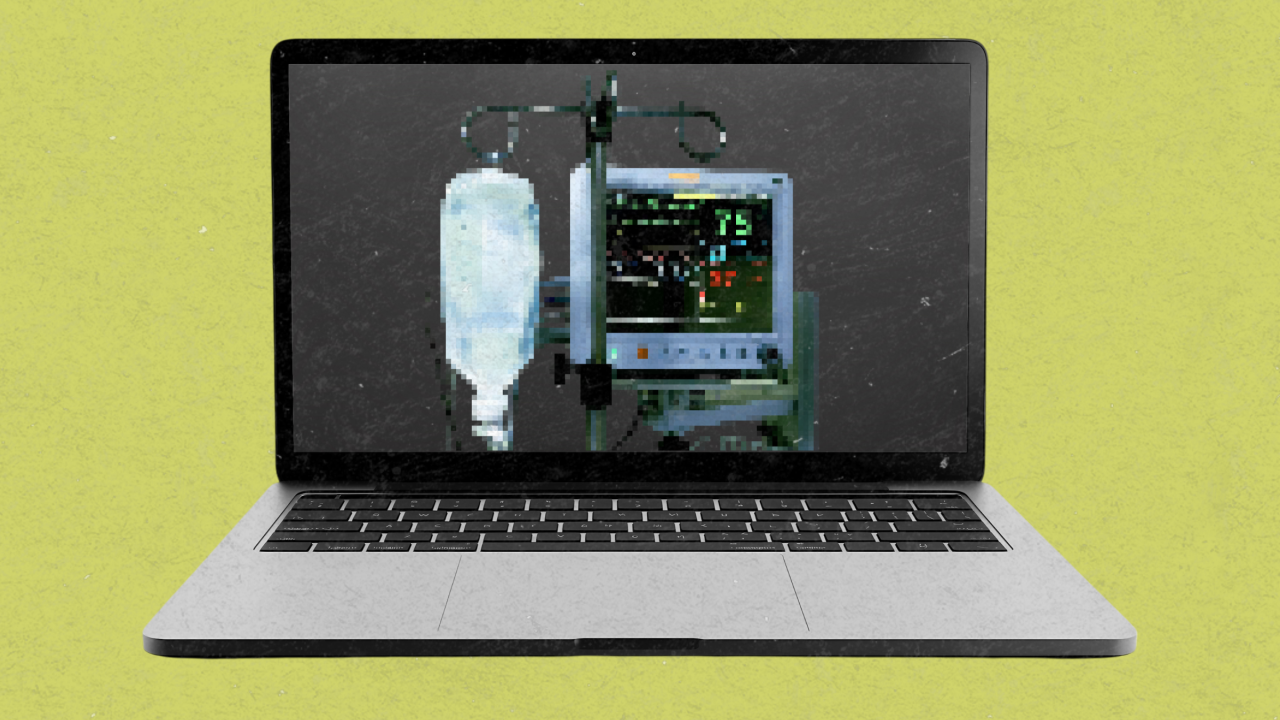
The expanding use of teleICUs in U.S. hospitals has prompted growing concerns among medical professionals and families regarding patient safety. While the technology allows a single remote physician to oversee critical care units across multiple facilities, critics argue that its primary function has shifted from bridging rural healthcare gaps to serving as a cost-saving measure in urban and suburban settings.
Recent years have seen teleICUs gain prominence due to a nationwide shortage of intensivists, the specialists responsible for managing critically ill patients. A 2025 study indicated that approximately one-third of the 574 adult ICUs surveyed nationally had implemented some form of telemedicine. However, the model has drawn scrutiny following high-profile cases of patient harm or death where remote oversight appeared insufficient.
One such case involved Conor Hylton, a 26-year-old dental student who died in 2024 after being treated at the Milford Campus of Bridgeport Hospital in Connecticut. A March 2026 lawsuit filed by his family included a Centers for Medicare and Medicaid Services inspection report detailing significant failures. The report noted that no physician was present to oversee Hylton’s care after his transfer to the ICU, and an emergency physician called to assist became lost within the facility, delaying critical treatment. Hylton’s family was not informed of the transfer, only receiving a call at 4:30 a.m. that their son was in a teleICU and near death.
Joyce Selph, a nurse with over three decades of experience at Island Hospital in Anacortes, Washington, highlighted operational challenges inherent in the model. Selph described an incident where she administered Precedex, a sedative, to a deteriorating patient in violation of standard protocol because the remote teleICU physician was unreachable. Despite her complaints regarding patient safety, hospital administrators maintained the teleICU program for financial reasons. Selph subsequently resigned, stating the arrangement endangered patients and forced nurses to practice outside their scope.
Investigations into other facilities have revealed similar issues. A 2024 inspection in Los Banos, California, found a teleICU physician had ordered a medication for a patient with a rapidly dropping heart rate, but records indicated the drug was never administered, resulting in the patient’s death. In Reading, Pennsylvania, a 2021 incident saw a patient code while awaiting a chest tube because the remote physician ordered intubation without an in-person doctor available to perform the procedure. Additionally, in Louisiana, a patient died during a transfer delay because staff were unaware of the after-hours protocol for contacting the teleICU doctor.
Dr. Eric Scholten, a teleICU physician in the American West, warned that the model is susceptible to misuse when the primary goal is financial optimization rather than clinical oversight. “It can definitely be misused if the goal is to make the spreadsheet look good and staff as many beds as possible with one doctor,” Scholten said. Many healthcare workers express similar reservations; one anonymous physician in North Carolina noted that colleagues avoided sending their families to hospitals utilizing the system, citing substandard care.
Proponents maintain that teleICUs are essential for maintaining access to critical expertise, particularly in regions with physician shortages. Dr. Allison Harriott, a critical care and emergency medicine physician, acknowledged the need for a “backstop” of remote specialists, though she believes they cannot fully supplant bedside physicians. Philips, a major provider of the technology, stated that its programs are intended to supplement, not replace, in-person care. A 2025 study funded by the company found that hospitals with telecritical care capabilities reported lower ICU mortality rates and shorter stays between 2012 and 2020.
Despite these potential benefits, experts emphasize that the effectiveness of teleICUs depends entirely on implementation. With financial pressures from legislation and potential Medicaid cuts, more hospitals are expected to adopt remote models, intensifying the debate over whether cost efficiency can come at the expense of continuous, high-quality patient monitoring.

I am skeptical this will ever work properly without strict in-person backup protocols at all times.
Technology is a tool, not a substitute for eyes on the patient. Context matters immensely here.
My family avoids hospitals using this system entirely. It feels too risky for elderly relatives with complex needs.
The story about the nurse being forced to break protocol is absolutely terrifying for patient safety.
Rural hospitals genuinely need this support, but urban facilities using it to cut corners is worrying.
Does anyone know if there are specific laws currently in place to regulate teleICU physician responses?
It is horrifying that cost savings are prioritized over actual human life in critical care units.