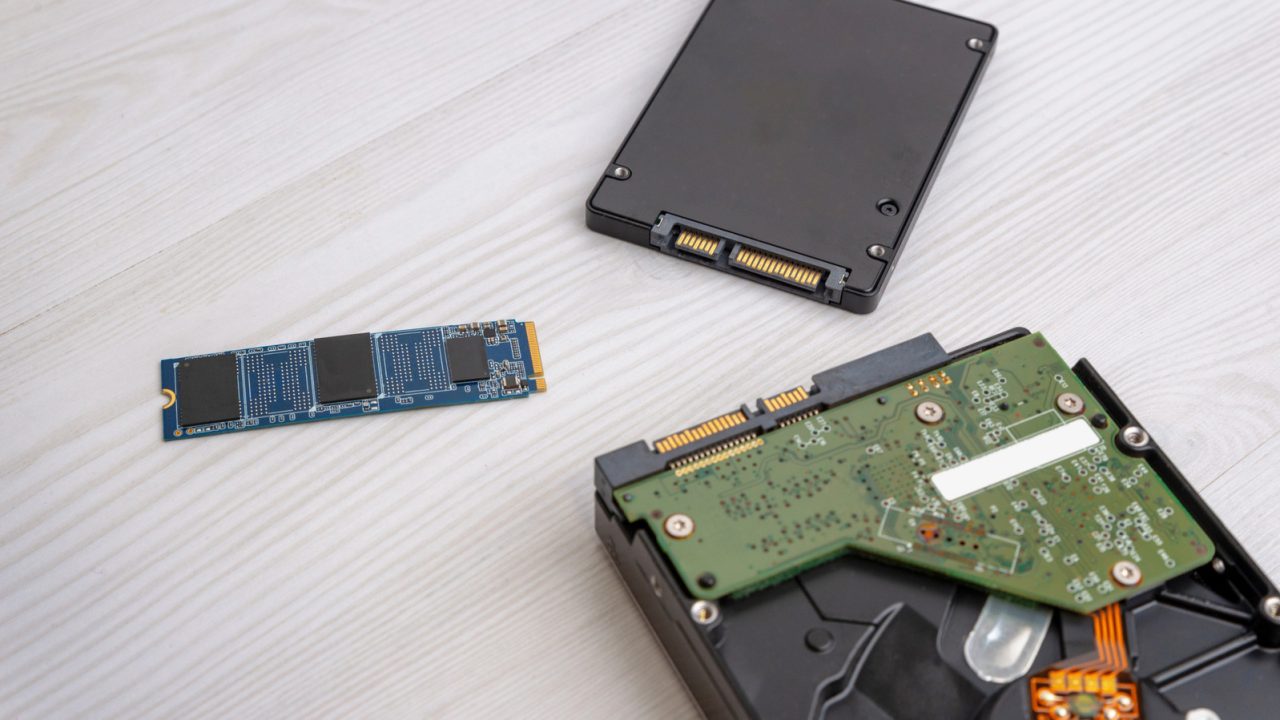
The difference between “disc” and “disk” in technology extends beyond a single letter change; the two spellings signify distinct types of storage media. While the terms are often used interchangeably, precise usage indicates whether the technology relies on magnetic or optical principles.
Generally, the spelling “disk” refers to magnetic storage devices. This includes traditional mechanical hard drives and floppy disks. Although modern solid-state drives (SSDs) are often labeled as disks in operating systems, they technically rely on NAND flash memory rather than moving mechanical parts, distinguishing them from traditional magnetic disks.
Conversely, “disc” with a ‘C’ typically denotes optical storage formats. This category includes compact discs (CDs), DVDs, and Blu-rays. When users insert a video game into a console or place a movie into a DVD player, they are utilizing a disc. The medium stores data using laser-readable surfaces, a method fundamentally different from the magnetic recording used in disks.
Both formats serve the same primary purpose of storing and retrieving data, but their operational mechanisms and form factors differ. The specific spelling serves as a technical identifier for the underlying hardware technology, helping users distinguish between magnetic drives and optical media.



It makes sense when you look at the physics. Laser light versus magnetic fields. Nice breakdown of the terminology.
I’ve been saying disk for my DVDs my whole life. Guess I’ve been wrong about that C all along.
Wait, so SSDs aren’t technically disks? That surprised me. I always assumed the name carried over to the new tech.
Great point! I miss the clunk of the floppy disk. Now everything is silent. The spelling actually matters more than people think.
Honestly, who still remembers this? I just call them all drives now. The distinction feels outdated for most modern users.