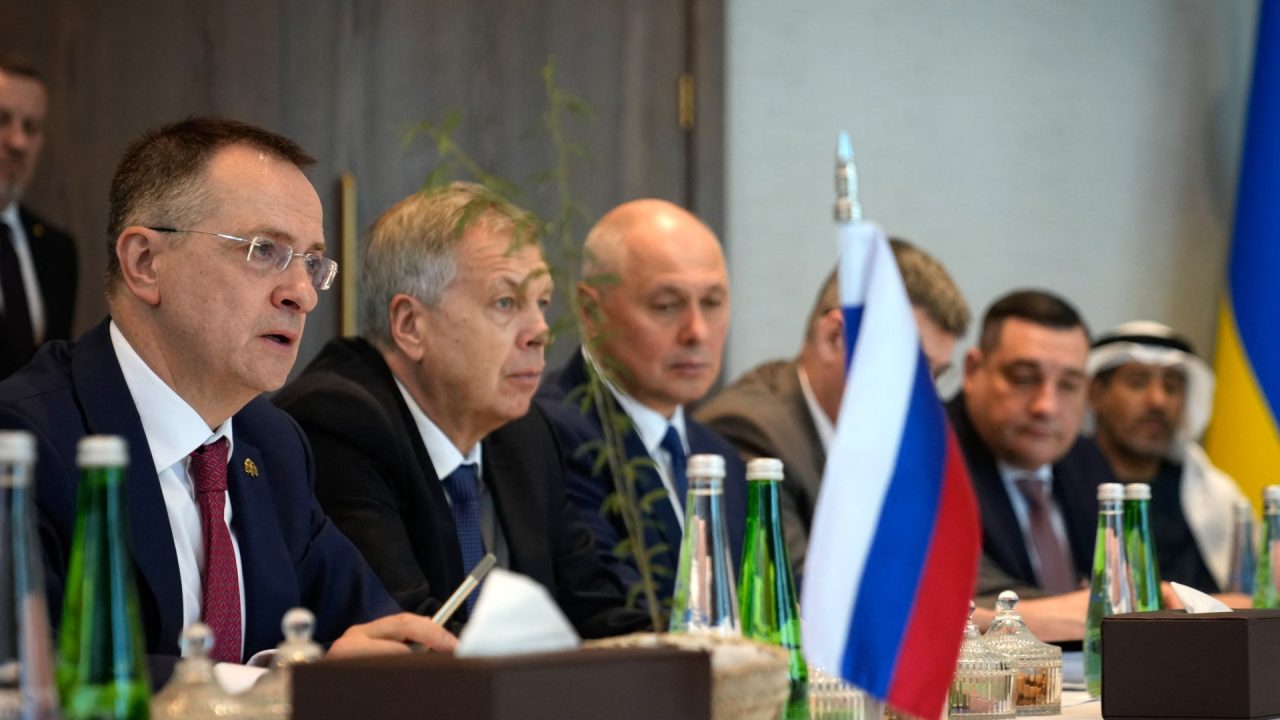
Despite the start of a new round of US-brokered trilateral talks in Abu Dhabi on November 10, experts suggest that Russia is not prepared to accept a peaceful resolution to the conflict. The negotiations follow a successful humanitarian evacuation from the southern Ukrainian town of Oleshky, a site occupied by Russian forces since 2022. The crisis in Oleshky, which saw its population drop from 25,000 to 2,000 due to a food shortage, was resolved through a local ceasefire coordinated by Ukrainian and Russian intelligence services and human rights representatives.
Analysts argue that the success of this humanitarian mission was driven more by political maneuvering than a genuine desire for peace. Moscow supported the White House’s narrative that First Lady Melania Trump, acting as an “Exclusive Intermediary,” initiated the ceasefire. This move was reportedly intended to curry favor with President Donald Trump and deepen his friction with Ukrainian President Volodymyr Zelenskyy, thereby allowing Russia to continue its aggression under more favorable diplomatic circumstances.
The appointment of Vladimir Medinsky as the head of the Russian delegation for the Abu Dhabi talks further signals a lack of progress. Medinsky previously led Russian delegations in Istanbul in 2022 and 2025, suggesting that Moscow’s primary objective remains Ukraine’s surrender, a condition Kyiv continues to reject. While Russia may believe it holds a stronger negotiating position, analysts note that this view is partly erroneous. The continued resilience of the Ukrainian population, who view surrender as equivalent to ethnic cleansing, undermines Moscow’s assumption that military attrition will force a capitulation.
However, Russia’s optimistic outlook on its negotiating leverage is grounded in realistic assessments of Western political trends. A significant gap in weapons supply has emerged for Ukraine, exacerbated by US stockpiles being depleted during the conflict with Iran and limited American capacity to restock. This shortage is a material issue that likely cannot be resolved by the Democratic victory in the recent US midterm elections.
Furthermore, European support for Ukraine is facing internal political headwinds. In France, a presidential election in early 2027 could see Marine Le Pen of the National Rally party assume the presidency. Le Pen has stated that France can no longer afford financial assistance to Ukraine, a position that could trigger a domino effect among other EU donors. Similarly, the rise of the pro-Putin Alternative for Germany party in German polls and the continued influence of US President Trump represent strategic opportunities for Moscow to weaken Ukraine’s defense.
Consequently, participation in the Abu Dhabi talks should not be viewed as a readiness for peace. Instead, Russia is banking on the gradual withering of Western support, believing it has the resources to wait for a moment when Ukraine is left isolated and more vulnerable to Russian demands.


Democrat midterm victory won’t fix the weapon gap. That’s just bad news.
Waiting out Western fatigue is a strategy, but is it actually winning?
The Oleshky evacuation was humanitarian, but the political spin was sickening.
Europe is waking up to the political realities. That worries me deeply.
So talks are just a cover for attrition? Makes sense given the context.
Stockpiles depleted by Iran conflict? That’s a massive logistical headache for the West.
Ukraine holds the line despite shortages. Their resilience is incredible.
Medinsky returning is a bad sign. They just want to stall for time.
If Le Pen wins in 2027, Ukraine loses its lifeline. That timeline is terrifying.
The Melania Trump angle is wild. Is this really how diplomacy looks now?