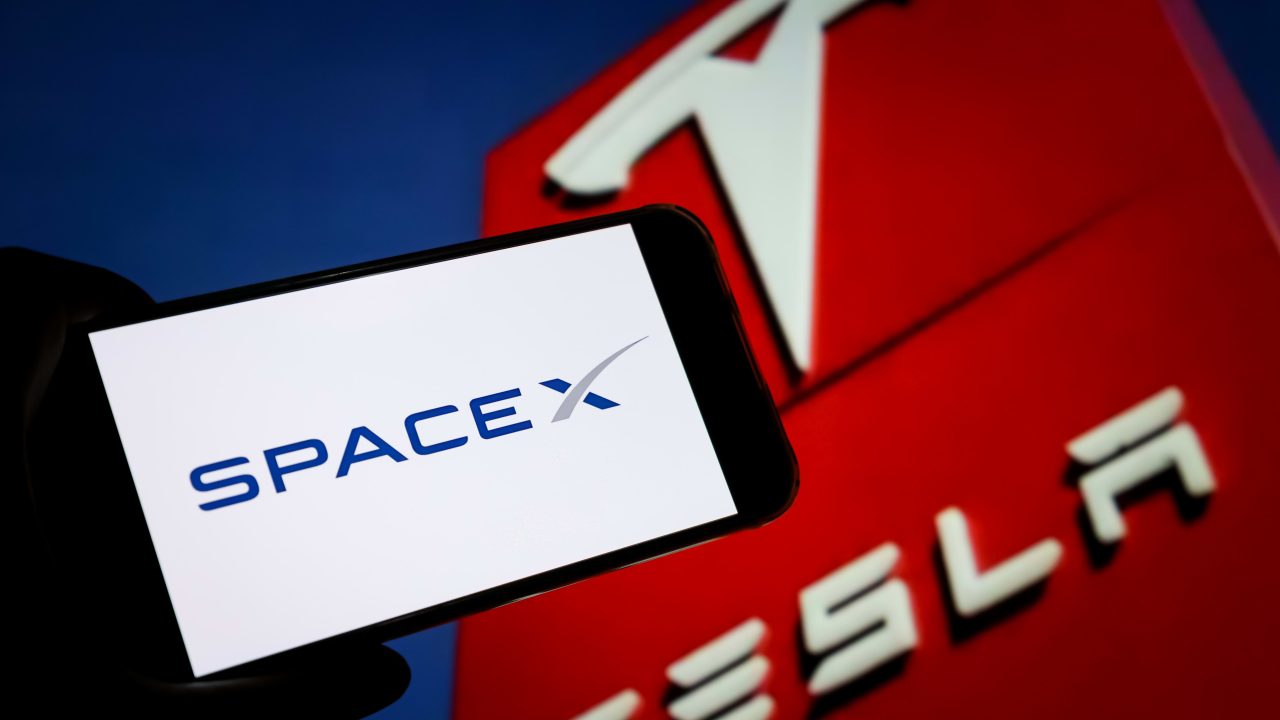
Probability markets on the Kalshi platform now indicate that a merger between Elon Musk’s electric vehicle company, Tesla, and rocket manufacturer, SpaceX, is more likely than not, with odds climbing to 62% from 27% over the past several days.
The sharp increase in betting activity coincides with remarks made by Walter Isaacson, the author of a biography on Musk and a contributor to CNBC. During a Friday appearance on “Squawk Box,” Isaacson expressed confidence that a merger is imminent, citing a shared semiconductor initiative known as Terafab that involves Tesla, SpaceX, and xAI as a key driver.
“I think you have to have a merger. Makes no sense otherwise,” Isaacson stated, suggesting that the Tesla 2026 annual shareholder meeting, scheduled for December 3, could provide further clarity on the potential integration.
While speculative markets suggest the deal could be announced within the year, analysts note that political factors may impact the timeline. Jefferies analysts warned that the transaction faces potential backlash following recent midterm election results, where Democratic candidates secured control of Congress and several key governorships.
Philippe Houchois, a Jefferies analyst, noted that despite the heightened scrutiny, the strategic vision of combining SpaceX and Tesla to support long-term U.S. objectives in space, energy, and manufacturing remains significant. Additionally, Texas Attorney General-elect Nathan Johnson indicated that any merger between the two entities would be subject to intense review.
Imagine the customer service department handling both rockets and sedans. That is going to be an absolute nightmare.
The Terafab project is the real hidden gem here, not just the cars and rockets.
So basically a giant tech empire controlled by one person. That sounds like a recipe for total chaos.
Isaacson knows more than most, but political backlash could kill this deal before it even starts.
I never thought these two would merge so quickly. The semiconductor angle really changes the dynamic completely.
A 62% chance feels high given the recent election results. Regulatory hurdles might slow everything down considerably.