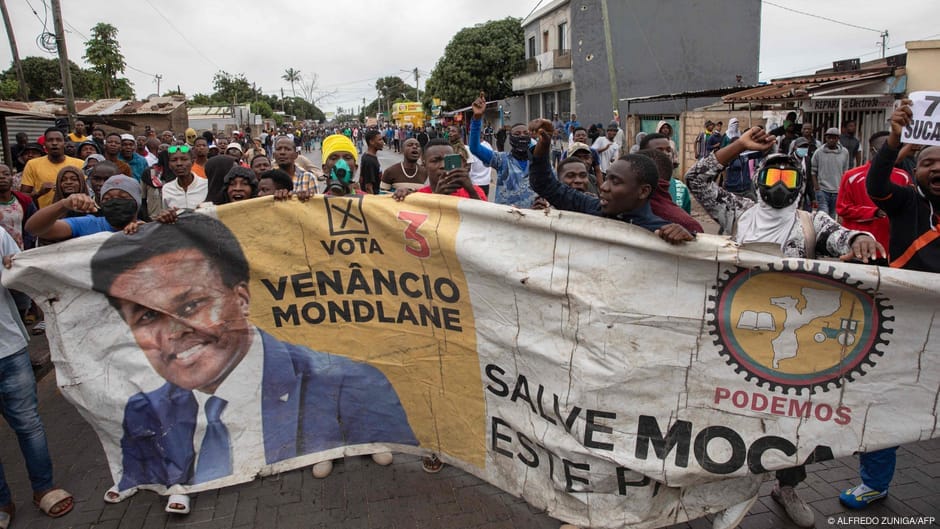
The trial of Venancio Mondlane, a prominent opposition politician in Mozambique, began on Tuesday, marking a significant moment for the country’s judicial independence. The former presidential candidate is facing five charges, including publicly advocating for crimes and inciting collective disobedience and terrorism, stemming from the unrest that followed the October 2024 elections.
If convicted, Mondlane faces a potential prison sentence of over 20 years. The public prosecutor’s office argues that Mondlane’s live social media broadcasts, in which he called for protests, strikes, and civil disobedience, are linked to the violent clashes with security forces that occurred nationwide. According to civil society reports, more than 400 people died during the weeks of demonstrations and strikes that followed the election results, which declared Daniel Chapo of the ruling Frelimo party as the winner.
Mondlane has consistently denied all charges, stating that his public statements were intended to prevent violence rather than incite it. During a September visit to the European Parliament in Strasbourg, he told DW that his evidence shows his statements went in the opposite direction of promoting violence. He emphasized that the primary goals of the post-election protests were to pressure authorities to investigate alleged extrajudicial killings of his movement’s members and to clarify the truth about the election results.
Legal experts have raised questions about the strength of the prosecution’s case. Baltazar Fael, a prominent Mozambican lawyer, warned against equating indictment with conviction. He specifically criticized the charge of incitement to terrorism, noting that it requires proving a plausible connection between Mondlane’s statements and specific terrorist acts, not just general violence. Fael questioned the extent of Mondlane’s power to incite such crimes and suggested the prosecution may be overstating aspects of the case.
The trial is also viewed through the lens of political motivation. Mozambique’s justice system has long faced criticism for potential political interference. Observers are watching closely to see if the timing and circumstances of the trial reflect an attempt to silence opposition. Albino Forquilha, the leader of the Podemos party and a former ally of Mondlane, is expected to testify at the trial but has stated he will only report his personal observations of the protests.


Will the court actually be independent this time? Historically, Mozambican judiciary has often just rubber-stamped whatever the ruling party wanted.
I am shocked by the death toll. How do you call for peace on social media when hundreds are dying on the streets?
Twenty years for posting videos? The charges seem incredibly inflated. This feels like a classic case of political intimidation dressed up as law.