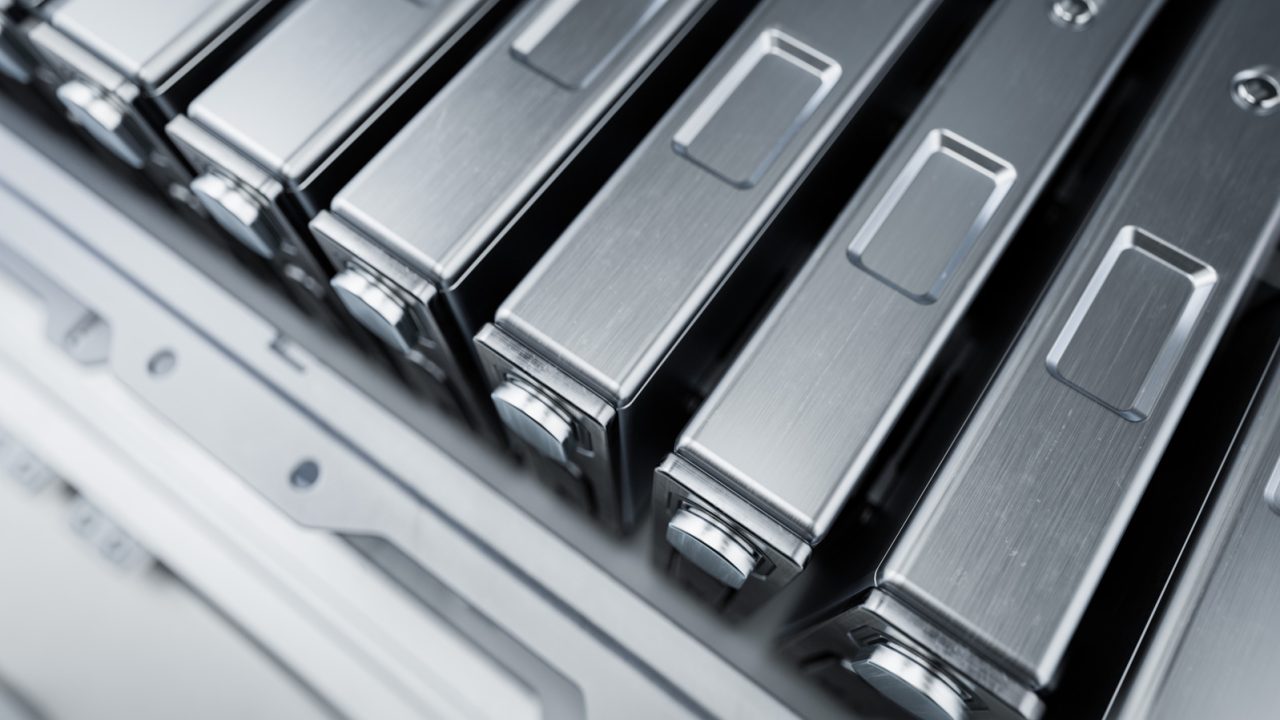
Although sodium-ion and lithium-ion batteries operate on similar principles—storing and releasing energy by moving charged particles between electrodes—they differ significantly in composition and performance. The primary distinction lies in the ions used: sodium-ion cells move sodium ions, which are larger and heavier than lithium ions, resulting in lower energy density.
Sodium-ion batteries currently achieve approximately 175 watt-hours per kilogram, which is 20 to 30 percent lower than lithium-ion cells. In comparison, lithium iron phosphate batteries reach 205 watt-hours, while lithium nickel manganese cobalt oxide (NMC) cells achieve 255 watt-hours. Consequently, sodium-ion cells generally require more space for equivalent energy storage and operate at lower voltages.
Despite these limitations, sodium-ion technology is gaining traction due to the abundant availability of sodium. Manufacturers such as CATL, General Motors/Peak Energy, HiNa Battery Technology, and Natron Energy (now Draslovka) are advancing commercial production, primarily focusing on automotive and data center applications. However, the transition to mass production is complicated by the established supply chains for lithium and the need to source other components like nickel and manganese.
Sodium-ion batteries outperform their lithium counterparts in specific conditions. According to the International Energy Agency (IEA), sodium-ion cells retain 90% of their capacity at minus 40 degrees Fahrenheit, whereas lithium-ion batteries lose significant capacity at similar temperatures. Furthermore, sodium-ion cells present a lower risk of thermal runaway, generating less heat and requiring fewer protection systems, which enhances safety in vehicle applications.
Analysts suggest that rather than replacing lithium-ion entirely, sodium-ion technology may serve a complementary role. It is particularly suitable for stationary grid storage and extreme cold-weather scenarios where size and weight restrictions are less critical. While lithium-ion manufacturing remains more established and competitive in cost, the potential for sodium-ion to fill specific market gaps could provide consumers with more diverse options in the future.


Leave a Reply