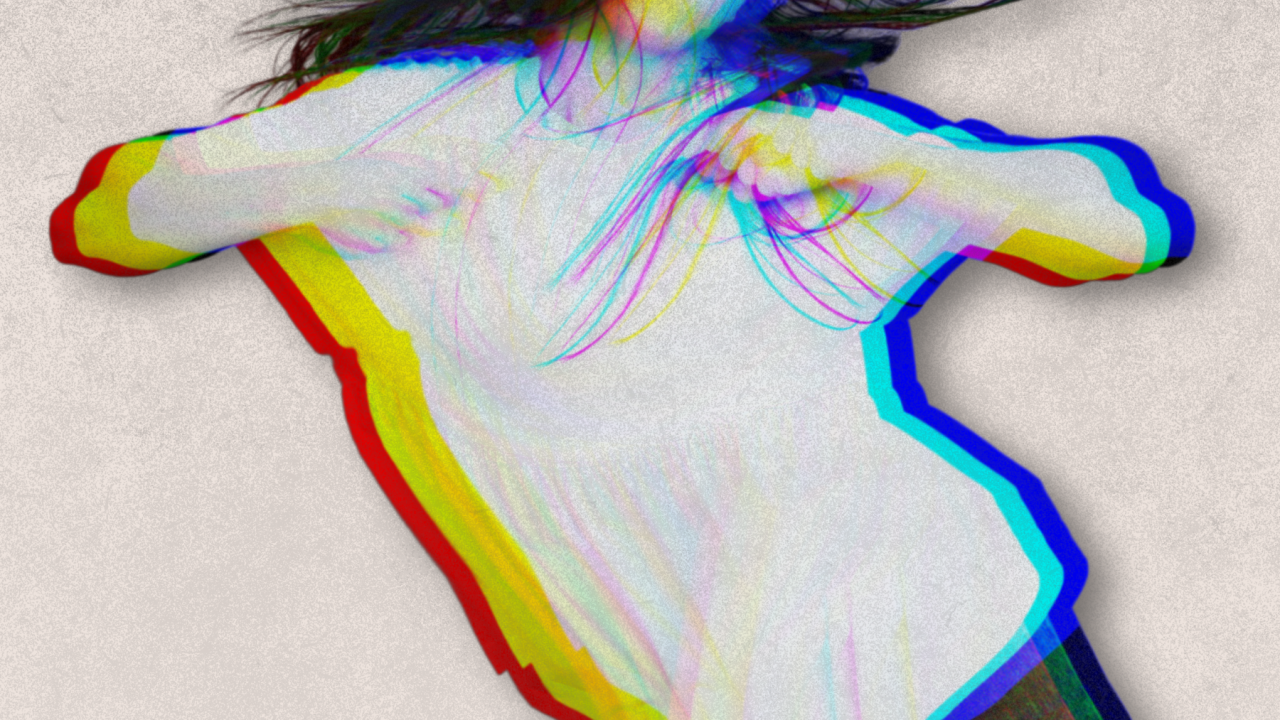
Experts suggest that a simple technique known as somatic shaking can help individuals manage stress by releasing physical tension and interrupting anxious thought patterns. Kim Penberthy, a clinical psychologist and professor of research in psychiatric medicine at the University of Virginia School of Medicine, describes the exercise as a brief movement that requires no equipment and takes less than a minute to perform. The process involves gently shaking hands and arms, similar to the motion used when drying hands without a towel, to loosen clenched muscles such as the jaw and shoulders.
According to Penberthy, the physical act of shaking makes it difficult to maintain muscle tension, thereby encouraging relaxation. Additionally, the movement provides a focal point for the mind, shifting attention away from rumination and the mental replaying of stressful events. This shift allows individuals to recognize their capacity to respond to discomfort rather than passively enduring it. Penberthy notes that she personally uses the technique after stressful days, particularly when experiencing neck pain, often visualizing it as athletes shaking out their limbs before a game.
Lisa George, a psychiatric and family nurse practitioner and founder of Talk Tribeca Psychiatry in New York, advises starting the exercise by standing comfortably or sitting in a chair. She recommends beginning with loose hand shaking for 10 to 15 seconds before letting the arms join in, keeping the shoulders relaxed. If standing, one can loosen the legs sequentially, using a chair or wall for support; if sitting, small foot taps can be used instead. George emphasizes that the movement should be gentle, describing it as an active form of stretching rather than an aggressive exercise meant to induce sweating.
Therapist Morgan Starr-Riestis of Honolulu encourages clients to use this technique to release pent-up energy after stressful events, such as dental appointments. She suggests imagining water droplets on the skin and shaking them off, similar to a dog after a bath, to help visualize the motion. While some may find public shaking awkward, Starr-Riestis notes that the practice is valuable because it is free and time-efficient, offering a realistic alternative to longer routines like yoga or exercise during a busy workday.
Experts advise that users should not worry if the stress reduction is modest. Penberthy suggests that any decrease in tension is valuable, cautioning against viewing small improvements as failures. After the brief shaking session, individuals are encouraged to pause and notice their physical state, observing whether their shoulders have dropped or their minds have quieted down. Starr-Riestis highlights that the stillness following the movement is a crucial part of the process, allowing the individual to settle before resuming daily activities.



Finally, something I can do between meetings. Not that I need stress relief, but it sounds quick enough.
The focus on noticing your body afterward is key. It turns a quick movement into a proper mindfulness moment.
Skeptical but willing to try. I have a lot of tension in my shoulders from staring at screens all day.
I usually clench my jaw so hard during meetings. This simple technique could genuinely help me loosen up faster.
Ten seconds seems too short to make a difference. Do I really need to stand up, or can I do it seated?
The comparison to athletes warming up makes sense. I use similar stretches before presentations to calm my nerves.
Sounds weird to do in an office. I would feel embarrassed shaking my arms in front of my boss.
Love the idea of a no-equipment stress tool. Perfect for people who cannot afford expensive gym memberships or lengthy yoga sessions.
Is this really backed by solid scientific evidence? I want to read more studies before I dismiss it as hype.
I tried this at my desk today and it actually helped. The visualization of shaking off water droplets was surprisingly effective.