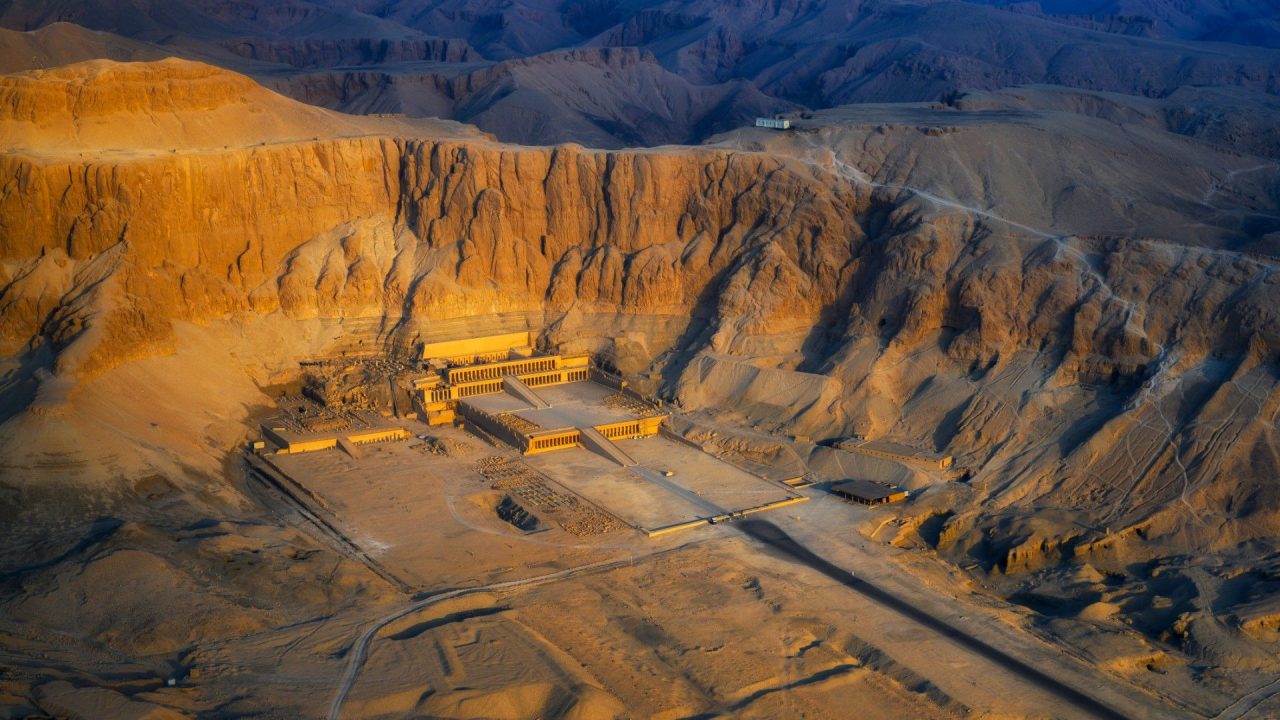
On August 2, 2027, Luxor, Egypt, will host one of the most significant astronomical events of the century: a total solar eclipse with a duration of six minutes and 22 seconds. This event is expected to be the longest total solar eclipse on land in the 21st century and will not be surpassed until 2114. While the celestial mechanics are certain, experts and tour operators have identified several logistical and environmental factors that could impact the viewing experience for the thousands of eclipse chasers expected to descend upon the region.
The primary meteorological concern is not cloud cover, which is rarely an issue in Upper Egypt in August, but rather the possibility of dust storms. While a total eclipse will likely remain visible, airborne sand and dust could obscure the delicate details of the solar corona. Additionally, the extreme August heat in Luxor, where temperatures frequently exceed 104 degrees Fahrenheit (40 degrees Celsius), poses a significant challenge for visitors. Tour operators are scheduling activities for early mornings and late afternoons to avoid the midday heat, while participants are advised to stay hydrated and seek shade.
Logistical coordination in Luxor and along the Nile River presents another set of hurdles. With a local population of approximately four million, the city is expected to see a dramatic surge in visitors, including photographers, tour groups, and tourists. Officials are expected to implement traffic controls similar to measures taken for the 2026 Mallorca eclipse, where road closures significantly altered travel plans. Furthermore, speculation exists that navigation on the Nile may be restricted on the day of the event, potentially forcing many vessels, including traditional dahabiyas and cruise ships, to remain in harbor rather than at sea.
The influx of vessels could lead to overcrowding on the river, where thousands of people may witness the totality simultaneously. While some observers find the communal atmosphere exciting, others worry about the noise and light pollution from neighboring boats. On land, popular archaeological sites such as the Karnak Temple and the Valley of the Kings are expected to be overwhelmed, leading to long queues and limited facilities. Experts advise that the angle of the sun, which will be near the zenith during totality, may make photographing ancient columns difficult, suggesting that less crowded locations might offer a better experience.
Equipment restrictions and pricing dynamics also worry observers. Customs officials in Egypt strictly regulate the import of “professional” camera gear and drones, meaning large lenses and tripods may face delays or confiscation upon entry. There have been no confirmed special arrangements for eclipse tourists regarding photography equipment. Additionally, the high demand has driven accommodation prices to approximately $600 per person per night, a significant increase over standard rates, with some owners holding back inventory in anticipation of further price hikes. Despite these concerns, the unprecedented duration and location of the 2027 eclipse continue to draw global attention, with many observers hoping the event will ultimately be unforgettable.


Will they confiscate my large telephoto lenses? I hope Egypt has special exemptions for eclipse chasers.
Six hundred dollars a night? My wallet is crying. The location is beautiful, but the pricing is absolutely outrageous.
Six minutes is a long time. I hope the heat and dust do not ruin the corona details for everyone.