Statistics regarding women composers in Hollywood continue to show a declining trend, with just eight of this year’s top 100 grossing films featuring original scores by female musicians. This figure represents a drop from the 14% observed in 2023, with the previous two years recording percentages between 7% and 9%, indicating that representation at the box office has not improved.
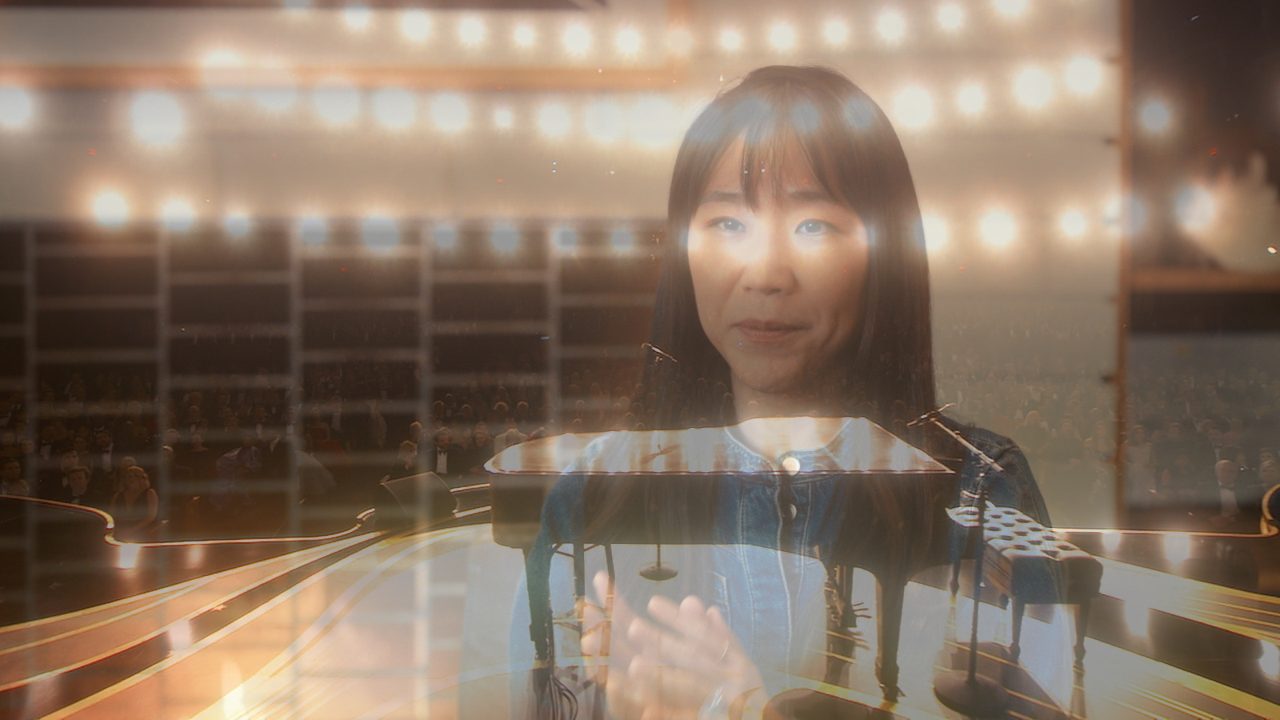
Despite these broader industry numbers, several women composers have secured prominent positions in the awards conversation, both for their film scores and expanding roles in filmmaking. Laura Karpman, known for composing “American Fiction” and the Netflix miniseries “East of Eden,” has entered the documentary short subject category for “Cosmic Symphony.” This film addresses the impact of the January 2025 Palisades and Eaton fires on musical instruments, featuring accounts from artists such as songwriter Diane Warren, composer Starr Parodi, jazz bassist John Clayton, and educator Susie Chung.
“Cosmic Symphony” explores the loss of historic instruments, including a 1928 Steinway piano and a nearly 200-year-old string bass. Karpman composed the score to incorporate orchestral and choral elements, symbolizing the enduring spirit of the lost music. She stated that the story was vital to tell because these instruments possess personalities and carry significant history.
Scottish composer Anna Meredith produced a distinct score for the romantic fantasy “Wicker,” starring Olivia Colman and Alexander Skarsgård. The entire soundtrack was performed by a quartet consisting of a violist, a cellist, a recorder player, and Meredith herself. Meredith explained that starting with a limited palette of sounds required creative thinking to achieve a bold and loud result. She utilized a variety of recorders to represent the characters, contrasting them with the darker, “slithery” string sounds of the villagers to illustrate the narrative’s thematic conflicts.
For the film “Tenzing,” which chronicles the 1953 Mount Everest ascent, Norwegian-born Stockholm-based composer Rebekka Karijord prioritized cultural authenticity. She collaborated with Nepalese musicians, including Buddhist nun Ani Choying Drolma and flautist Manose Singh, to integrate traditional chants and instruments. Karijord also recorded local sounds such as yak bells and prayer wheels to weave into the score. By combining a 40-piece string section with these textural elements, she aimed to convey both the physical danger and spiritual magnitude of the mountain. Karijord argued that the empathetic and collaborative nature of scoring necessitates a greater presence of women in the industry.


Yak bells in a film score? That is definitely a first for me. Intriguing texture for the mountain scenes.
Using recorders for the characters in Wicker is such a bold choice. Love that kind of risk-taking.
Did anyone else catch the drop from 14% last year? It feels like we’re going backward on this.
Great to see diverse voices in scoring. The industry needs less formulaic stuff and more unique creative palettes.
I’m skeptical that one award season changes anything. The box office numbers still tell a grim reality.
Collaborating with local Nepalese musicians for Tenzing is smart. Authenticity matters more than just a standard orchestral sound.
The fire documentary angle is poignant. Losing historic instruments is devastating, and Karpman’s score sounds like the perfect tribute.
Anna Meredith’s recorder quartet idea sounds wildly creative. I want to hear how that translates to a big screen moment.
Eight percent is honestly embarrassing. We need systemic change, not just a few awards nods to feel better.