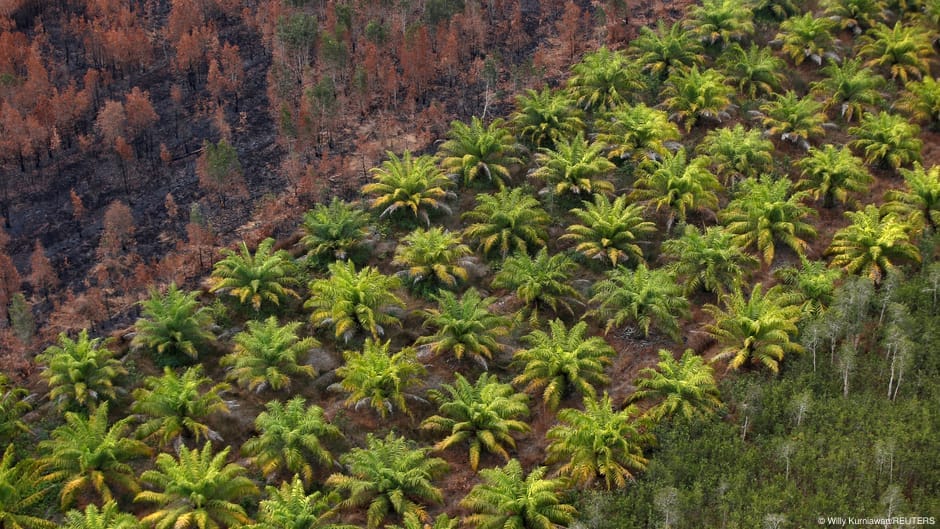
The European Union and Indonesia have officially signed a free trade agreement, marking a significant milestone in their economic partnership. European Commission President Ursula von der Leyen described the deal as one of the most ambitious the bloc has concluded in Asia, highlighting the combined market of 730 million consumers it serves. The agreement, known as the Comprehensive Economic Partnership Agreement (CEPA) along with an Investment Protection Agreement, aims to lower trade barriers and stimulate investment in key sectors such as electric vehicles, electronics, and pharmaceuticals.
Following nearly ten years of negotiations, the pact includes provisions to eliminate tariffs on approximately 98% of EU exports to Indonesia. The European Union estimates that this change could save European firms more than €600 million annually. Indonesian Minister of Economic Affairs Airlangga Hartarto welcomed the deal as a new chapter in bilateral relations, noting that it will particularly benefit Indonesian exports of palm oil, footwear, and textiles to Europe.
Environmental concerns, specifically regarding palm oil production and deforestation, were significant hurdles during the negotiation process. To address these issues, the agreement incorporates mechanisms for regulatory cooperation and a dedicated protocol focused on sustainability. In a statement emphasizing the value of open international trade, von der Leyen noted that while other nations are restricting trade, the EU is keeping its markets open to diversify its economic ties amid growing global tensions. The deal is now set to enter into force in 2027, pending ratification by the European Parliament and Indonesian authorities.
It feels like the EU is ignoring its own environmental crisis by boosting demand for controversial commodities like palm oil.
Will this actually lower prices for everyday electronics in Europe? I am skeptical it will benefit consumers much.
With trade tensions rising elsewhere, this diversification strategy makes a lot of sense for the EU right now.
This is huge for Indonesian textile workers. We really need new markets to keep our industry competitive globally.
I hope the sustainability protocols are actually enforced and not just lip service to save face during negotiations.
Ten years is a long time, but the investment in electric vehicles sounds promising for our local factories.