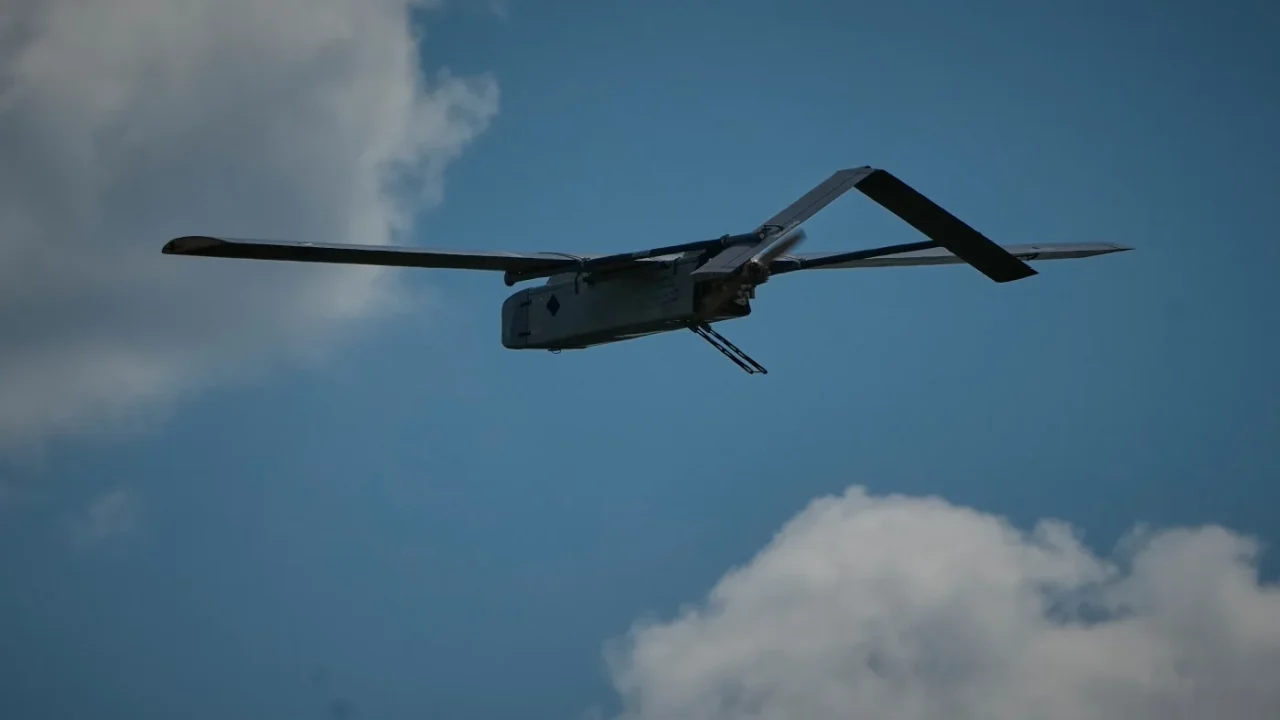
Delegates at the United Nations in Geneva have reached a compromise on the regulation of lethal autonomous weapons systems, agreeing to begin discussions on potential standards. After negotiations that extended into the early hours of Saturday morning, countries have allocated a two-year period to propose regulations that may either be legally binding or voluntary, according to a report by NPR.
The outcome has drawn mixed reactions. While exhausted negotiators described the agreement as a functional step for the U.N. disarmament process, many humanitarian organizations and member states consider it insufficient compared to their initial goals. Prior to the talks, the International Committee of the Red Cross (ICRC), which oversees the Geneva Conventions, urged for the drafting of legally binding rules within one year. This call for rapid action was supported by the U.N. Secretary-General and Pope Leo, who recently condemned the rise of AI-directed warfare.
The urgency of these concerns is reflected in current conflicts in Ukraine, Sudan, and Gaza, where semi-autonomous drones are causing significant civilian casualties. In Sudan alone, the U.N. reported that 80% of civilian deaths in 2026 were attributed to drone strikes. Although humans currently maintain remote control over these systems, experts warn that the technological landscape is moving quickly toward artificial intelligence-assisted weapons that could make independent decisions to kill.
Georgia Hinds, a legal adviser for the ICRC, highlighted the ethical implications of this shift, stating that life-and-death decisions determined by algorithms represent a moral red line that cannot be resolved through technological improvements. Negotiations were complicated by the reluctance of major powers such as the United States, Russia, and Israel to accept binding regulations. Russia initially delayed the proceedings by objecting to the agenda, while the U.S. proposed a five-year window for nonbinding guidelines. The final compromise was reached at 4:30 a.m. on Saturday.



Why is a 4am compromise a big deal? Feels like they are just kicking the can down the road.
Surprised the major powers actually sat down to talk. Hopefully the voluntary guidelines don’t become meaningless.
Two years is forever in tech. By then, the systems will already be everywhere and unregulatable. Dangerous delay.