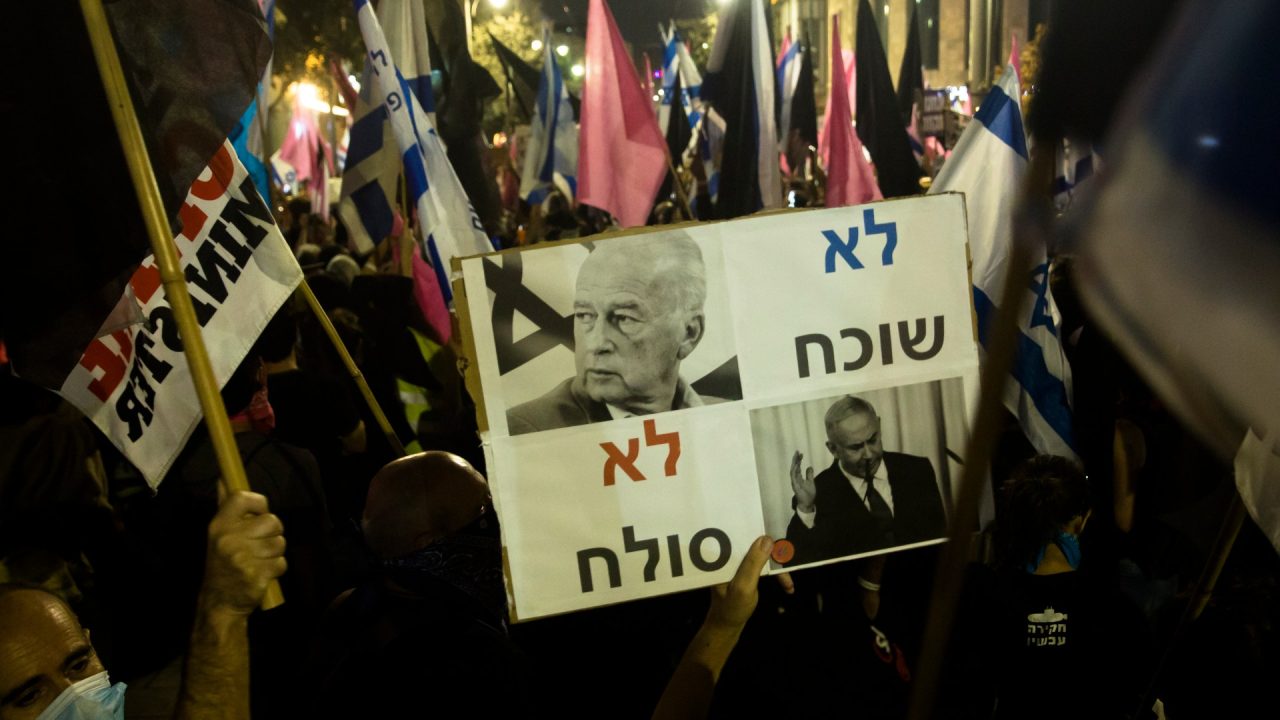
Prime Minister Benjamin Netanyahu is under fire for his increasingly inflammatory rhetoric targeting Arab members of the Knesset, with critics drawing a stark parallel to the climate of incitement that preceded the 1995 assassination of former Prime Minister Yitzhak Rabin.
Following the recent general election, in which parties representing predominantly Palestinian citizens of Israel achieved significant success, Netanyahu and his ultra-right allies have intensified their criticism. They have accused the 19 elected MKs representing these communities of being terrorists and supporters of terrorism. Furthermore, they have portrayed Jewish Zionist parties willing to form a coalition with them as collaborators with those seeking the destruction of the Jewish state.
Critics argue that this language, protected by parliamentary immunity, legitimizes racist discourse and potentially serves as a license for violence. The warning is heightened by Netanyahu’s own history; as the leader of the opposition in the 1990s, he participated in a rally where Rabin’s image was displayed in a Nazi uniform, a incident that was later cited by Rabin’s assassin, Yigal Amir.
Netanyahu has not apologized for his role in the events leading up to Rabin’s death. Since returning to power, he has utilized divisive tactics, particularly questioning the legitimacy of Arab voter turnout and alleging electoral irregularities to characterize the recent election as ‘stolen.’
Recently, Netanyahu accused Gadi Eisenkot, whom President Isaac Herzog has tasked with forming a government, of seeking to build a coalition that supports the destruction of the Jewish state. Netanyahu claimed that the difference between potential coalition partners lies only in whether they prefer an Islamic state modeled after Hamas or a nationalist Palestinian state modeled after Fatah.
Despite claims that these accusations are not directed at the Arab population, critics note that Netanyahu previously invited Mansour Abbas and his Ra’am party to join his own government when it served his political interests. The current campaign is seen as an opportunistic shift from past pragmatism to extreme incitement.
Observers warn that this environment, which has also normalized the inclusion of far-right figures like Itamar Ben-Gvir in the government, creates a significant risk of communal violence or even civil war. The parallels to 1995 suggest that such rhetoric could embolden extremists to take violent action against politicians or citizens, placing Israel on the brink of political instability.
The far-right is using this chaos to justify their presence in government. It is chilling.
I am genuinely terrified for our safety. This kind of language does not end up in the Knesset.
The Rabin comparison is not just hyperbole. It is a factual precedent that many are dangerously ignoring.