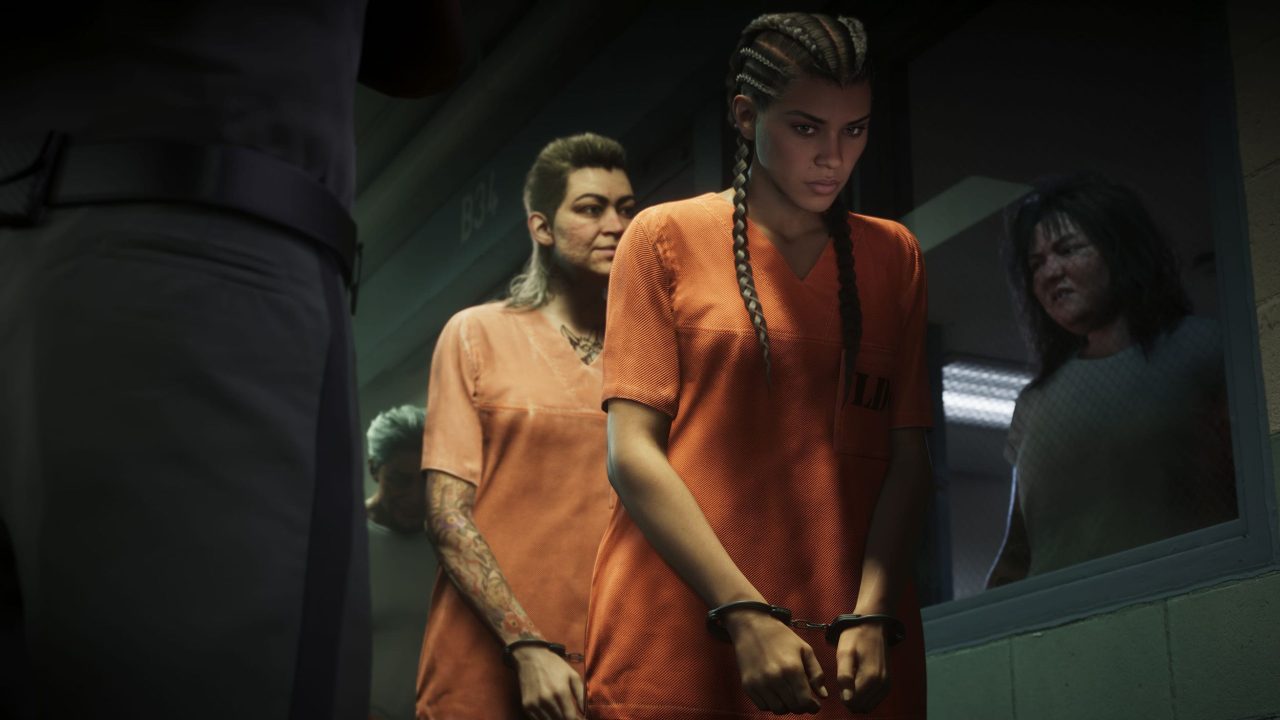
The massive release of Grand Theft Auto VI has triggered an unusual wave of promotional activity from law enforcement agencies and military organizations worldwide. While the game depicts police officers as corrupt and violent antagonists, numerous departments have utilized the title’s popularity to boost recruitment efforts and engage with the public through social media channels.
The San Diego Police Department posted an AI-generated image featuring their cruiser against a sunset backdrop that mirrors the game’s aesthetic, captioned with a nonsensical slogan, “Join San Diego PD VI.” Similarly, a Washington state police department encouraged viewers to pursue a career in law enforcement by highlighting “real people, real challenges” and noting that the real-life version of the game offers “no cheat codes” or respawns. Canadian police services, including those in Edmonton and Toronto, also shared GTA-inspired imagery to attract new officers, while the Calgary Police Service took a lighter approach by having officers react to in-game driving stunts.
Other agencies have used the platform to issue public safety reminders rather than recruitment pitches. The Glendale Police Department in California posted a message urging residents to “keep it in the game,” warning them to respect speed limits and keep their “wanted level at zero.” The Denver Police Department issued a similar warning, explicitly stating that real-world grand theft auto remains illegal despite the game’s title.
International and military entities have also joined the trend. The Russian army generated recruitment ads for the game on its Telegram channel, while NATO promoted its defensive security alliance using military-themed graphics, claiming that even skilled gamers would struggle to evade its fighter jets. In a notable move, a U.S. Army battalion in Georgia granted 43 eligible soldiers four days off to play the game as an incentive for reenlisting for an additional two years. These strategies appear to prioritize visibility and engagement with the general public, despite the game’s satirical and critical depiction of law enforcement authority.



Wait, the Russian army is using a Western game full of anti-law-enforcement satire for recruitment? That just seems deeply tone-deaf and ineffective.
I laughed at the Denver police warning to keep your wanted level at zero. At least they are trying to make a genuine safety point.
Giving soldiers four days off to play a video game is insane. That is a ridiculous incentive for a two-year reenlistment commitment.
It makes sense. Gen Z lives in these games, so speaking their language is a smart move for engagement, even if it feels a bit corny.
The AI-generated image with that nonsensical caption really hurts credibility. How do you recruit serious officers with that kind of low-effort branding?