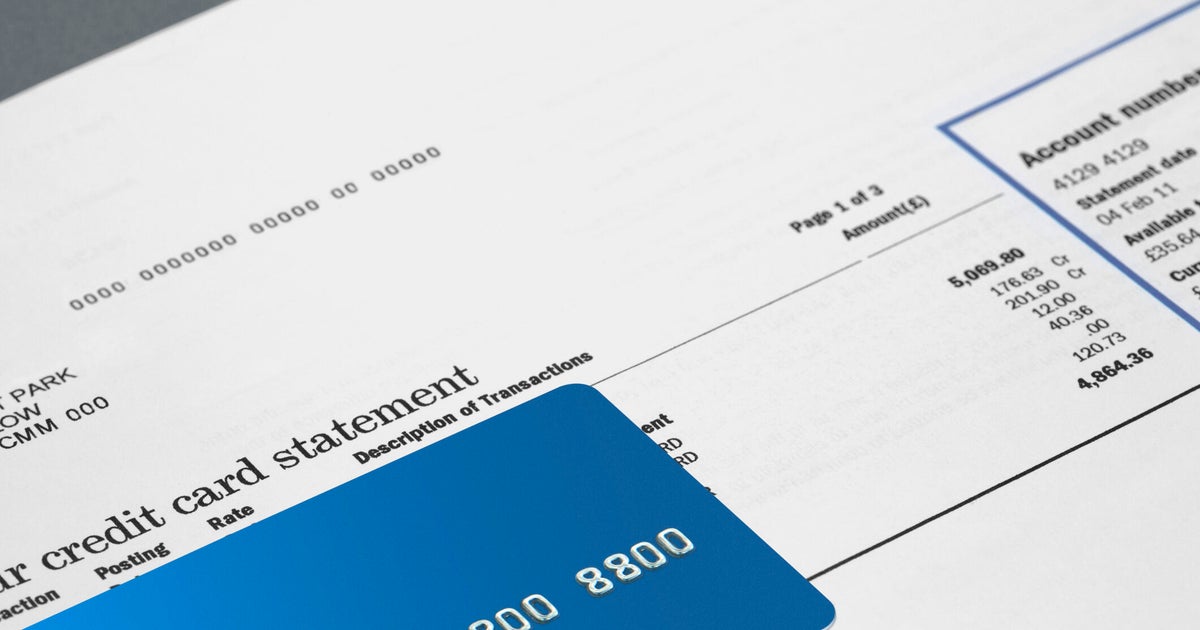
US credit card debt reached a total of $1.29 trillion in the third quarter of 2026, following a $22 billion increase from the previous period. The Federal Reserve Bank of New York detailed these figures in its latest household debt and credit report, noting that the surge continues a trend from the second quarter, when balances also climbed by $21 billion.
This upward trajectory places significant financial pressure on American borrowers, who are navigating persistent inflation and recent interest rate hikes. As noted in the report, the combination of rising balances and sticky economic factors creates a precarious financial landscape for individuals carrying credit card debt.
Financial experts recommend that borrowers consider several strategies to manage their obligations. One option is a debt forgiveness program, which may reduce debt by 30% to 50%, though these plans often take years to complete and can impact credit scores. For those who do not qualify for forgiveness, debt management programs offer an alternative by negotiating lower interest rates with lenders and establishing a structured repayment plan.
Another viable approach is securing a debt consolidation loan. Despite the counterintuitive nature of taking on new debt, switching from high-interest credit cards—where average rates exceed 20%—to personal loans with average rates just over 12% can yield substantial interest savings for borrowers with good credit scores. Analysts emphasize that prompt action is critical, as daily compounding interest continues to increase the overall cost of debt.


Inflation is still high, so why would anyone stop spending? It feels impossible to keep up with these rates.
I switched to a consolidation loan and saved thousands. High card rates are just too brutal to ignore.
Wait, they recommend debt forgiveness? That sounds like a trap that wrecks your credit score for years.