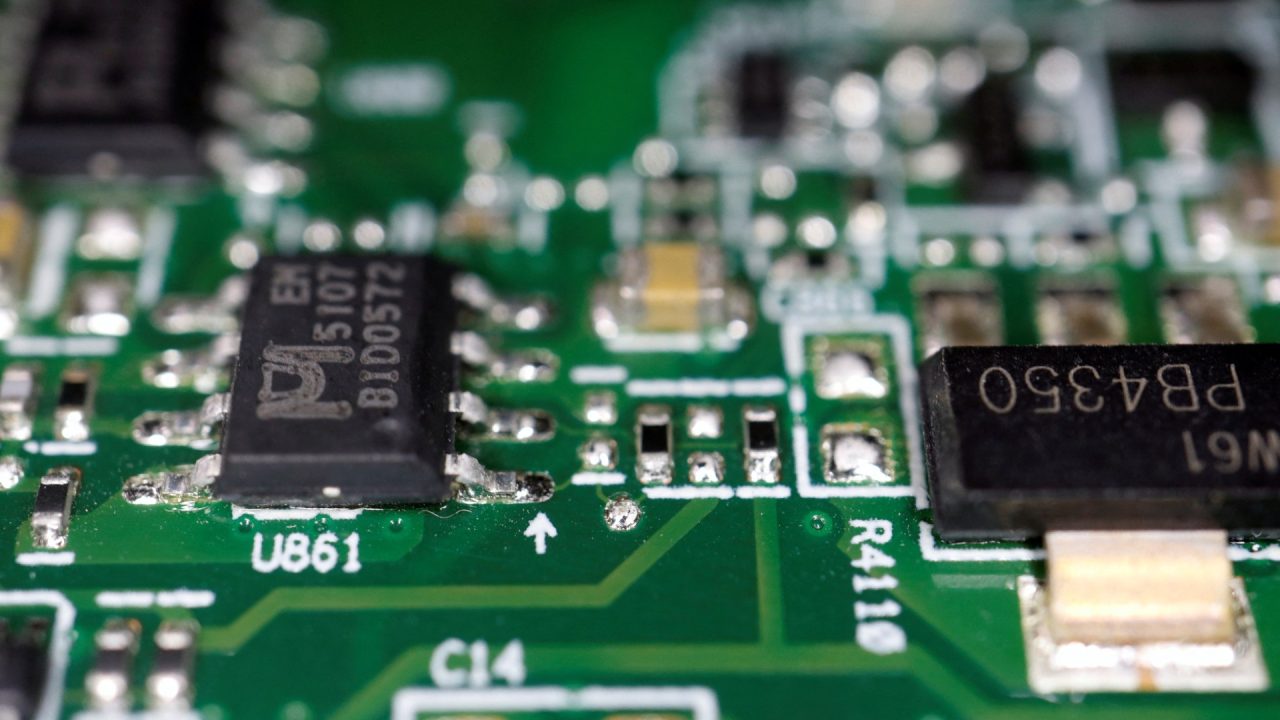
The US Department of Commerce authorized the export of 879,000 advanced artificial intelligence chips from Nvidia and AMD to Chinese companies between December 2025 and May 2026, according to data released by the House Foreign Affairs Committee.
The disclosures, made public by Committee Chair Brian Mast under the Export Control Reform Act, reveal that 75,000 chips were licensed for Alibaba, 150,000 for Tencent, 43,000 for Baidu, and 4,000 for BYD. These four entities are all designated on the US Department of War’s list of alleged Chinese military-backed firms.
The release of this licensing data coincides with heightened political scrutiny following reports of a relationship between former Nvidia CEO Jensen Huang and an alleged Chinese spy. The revelations have intensified calls from lawmakers for stricter measures against perceived Chinese technological threats. Chris McGuire, a former US official specializing in US-China tech policy, criticized the approvals, noting that over 30 percent of the chips were destined for companies labeled as Chinese Military Companies, which he argued casts doubt on the rigor of the national security review.
While US companies had applied for permits to ship 3.4 million such chips to China during the specified period, it remains unclear how many of the approved licenses resulted in actual deliveries. The chips in question include Nvidia’s H200 model and AMD’s MI325X equivalent.
Nvidia responded to the news by stating that its export approvals were subject to “strict conditions and limited volumes” and that the company has since ceased shipping H200s to China. AMD did not immediately comment on the matter.
The export approvals represent a significant shift in US technology policy. Former President Joe Biden had previously restricted Chinese access to these high-end chips due to concerns they could bolster China’s military capabilities and diminish the US lead in AI development. However, the Trump administration authorized the shipment of Nvidia’s H200 chips to China in December, reversing those earlier restrictions and drawing sharp criticism from national security hawks across the political spectrum.
On the stock market, Nvidia shares fell 3.3 percent on the day, while AMD dropped 7.7 percent. The broader Nasdaq index declined by 2.2 percent, and the S&P 500 index slipped 1.8 percent.


I keep hearing about the strict conditions. Are those actually meaningful restrictions or just PR spin?
Mildly funny that AMD lost more than Nvidia. Did they do something wrong specifically?
Huang and a spy? That connection is wild. No wonder the lawmakers are sweating so hard.
Serving these chips to Alibaba and Tencent is basically handing the enemy superpowers. Yikes.
Are you sure these chips actually arrived? The article says it remains unclear how many were delivered.
Nvidia dropping 3.3 percent makes sense. Investors are clearly nervous about all this political instability.
Why did they switch so fast? I thought Biden stopped this. Now Trump is reversing it?
I am completely shocked that we sent these to military firms. This feels like a massive security hole right now.